
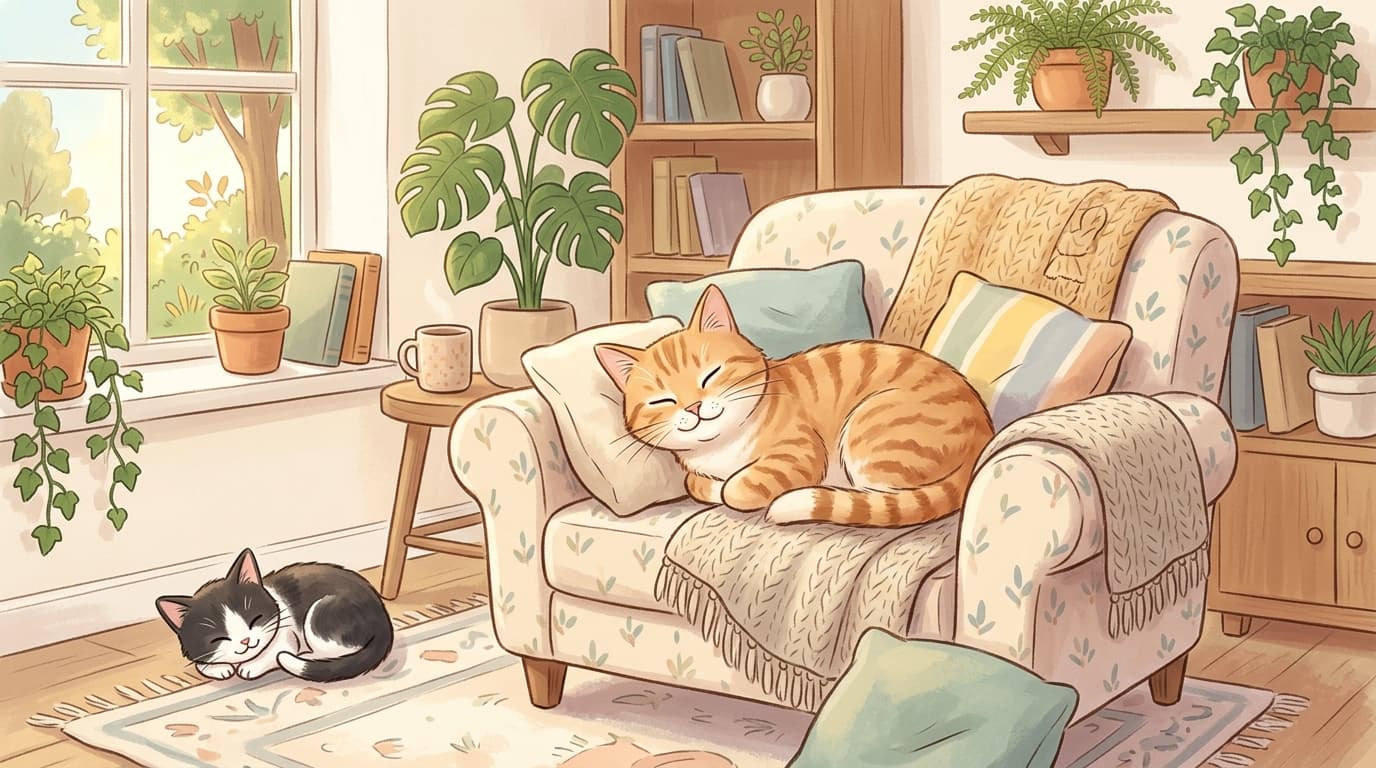
 № 25
№ 257 Quiet Signs Your Cat Is Living Their Best Life (Even If It Doesn’t Look Like It)
From slow blinks to deep sleep, these 7 subtle behaviors show your cat feels safe, confident, and truly happy at home.
4 min read
§ Index
№ 25From slow blinks to deep sleep, these 7 subtle behaviors show your cat feels safe, confident, and truly happy at home.
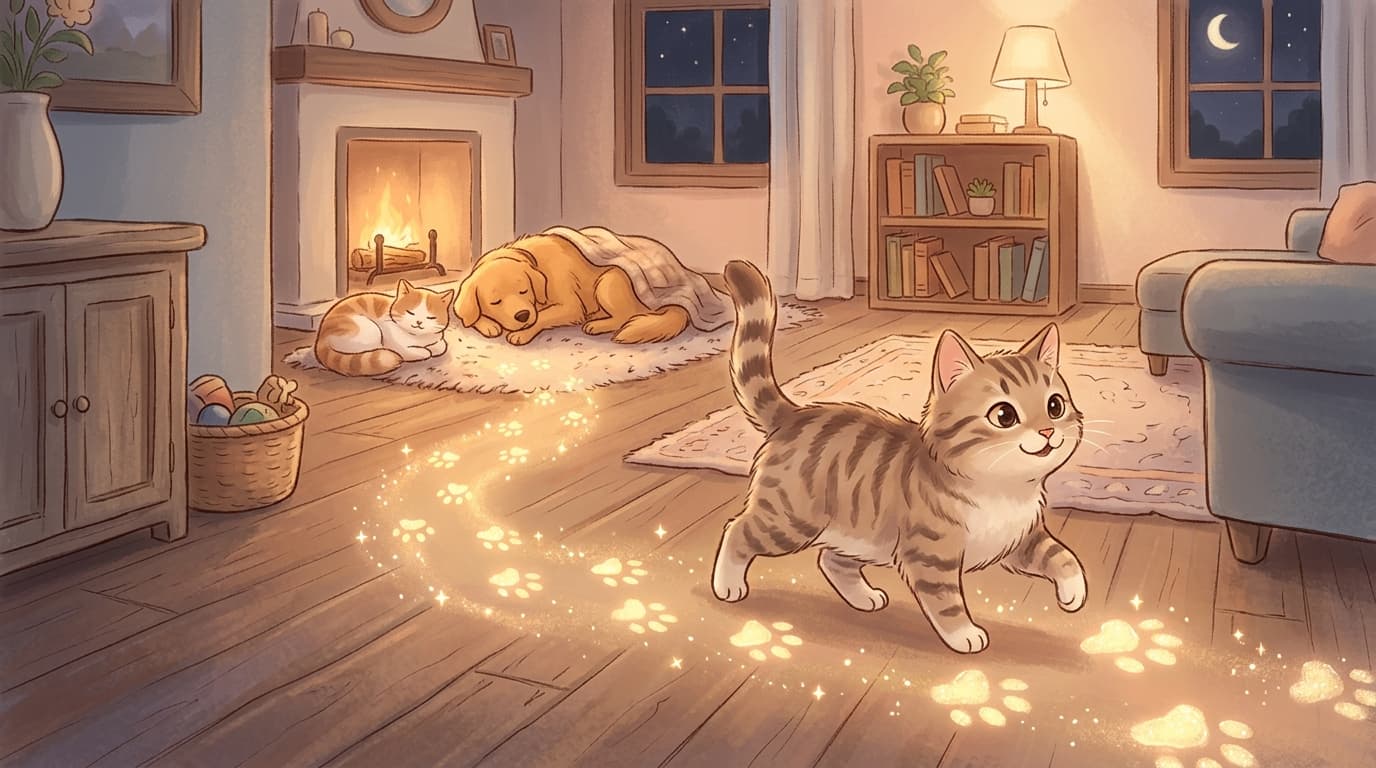 № 26
№ 26Your cat’s nighttime wandering isn’t just instinct—it’s also about routine, energy, and checking that you’re safe.
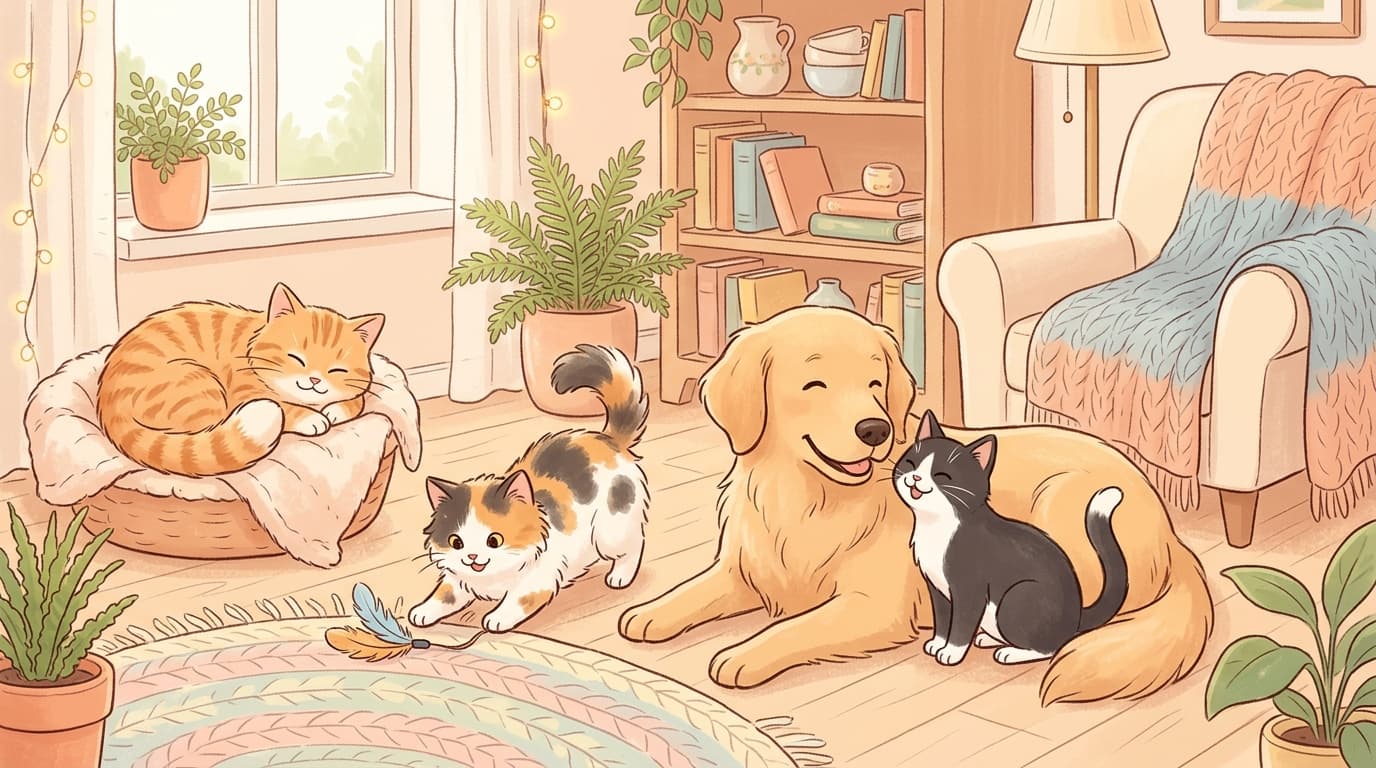 № 27
№ 27From slow blinks to belly-up naps, these happy cat signs show your cat feels safe, loved, and right at home with you.
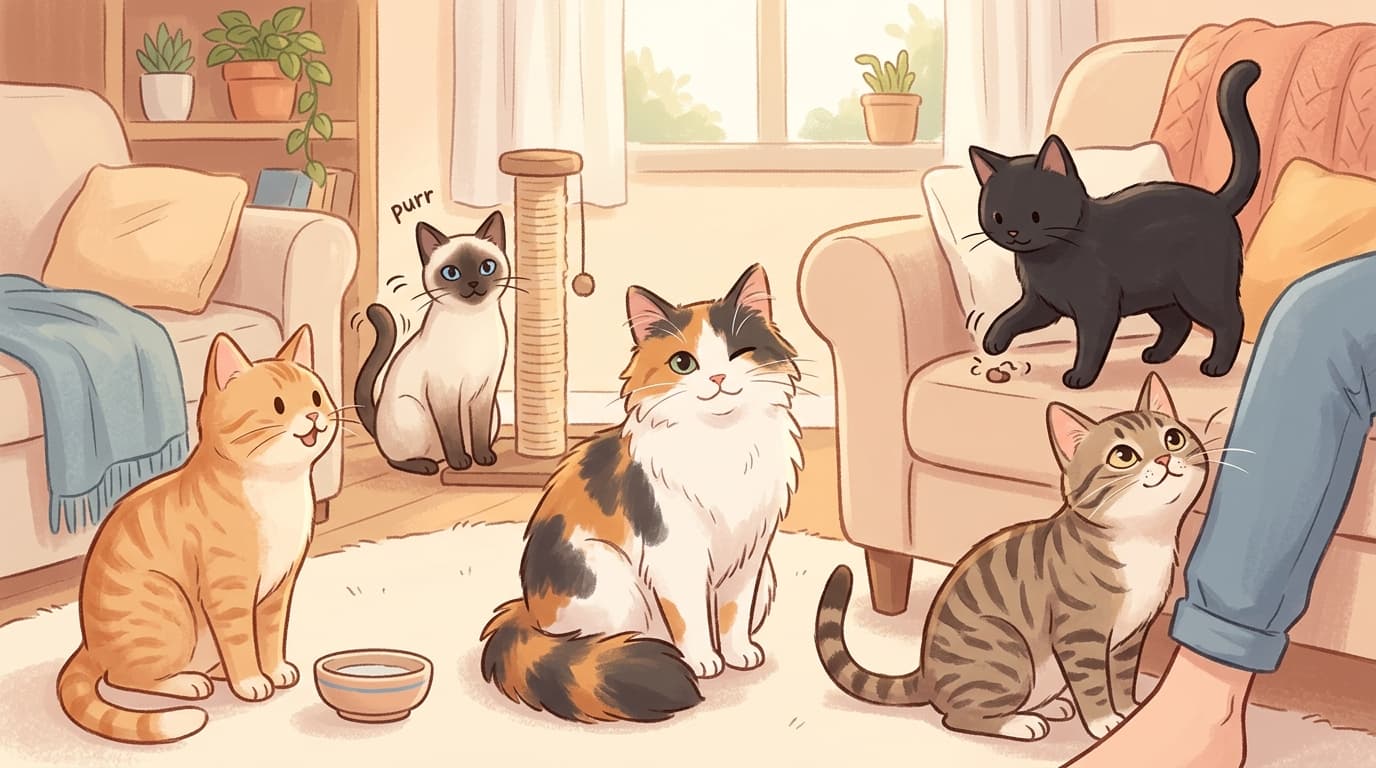 № 28
№ 28Cats do say “please”—with eye contact, meows, body rubs, and tiny routines. Learn the signals and what your cat wants.
 № 29
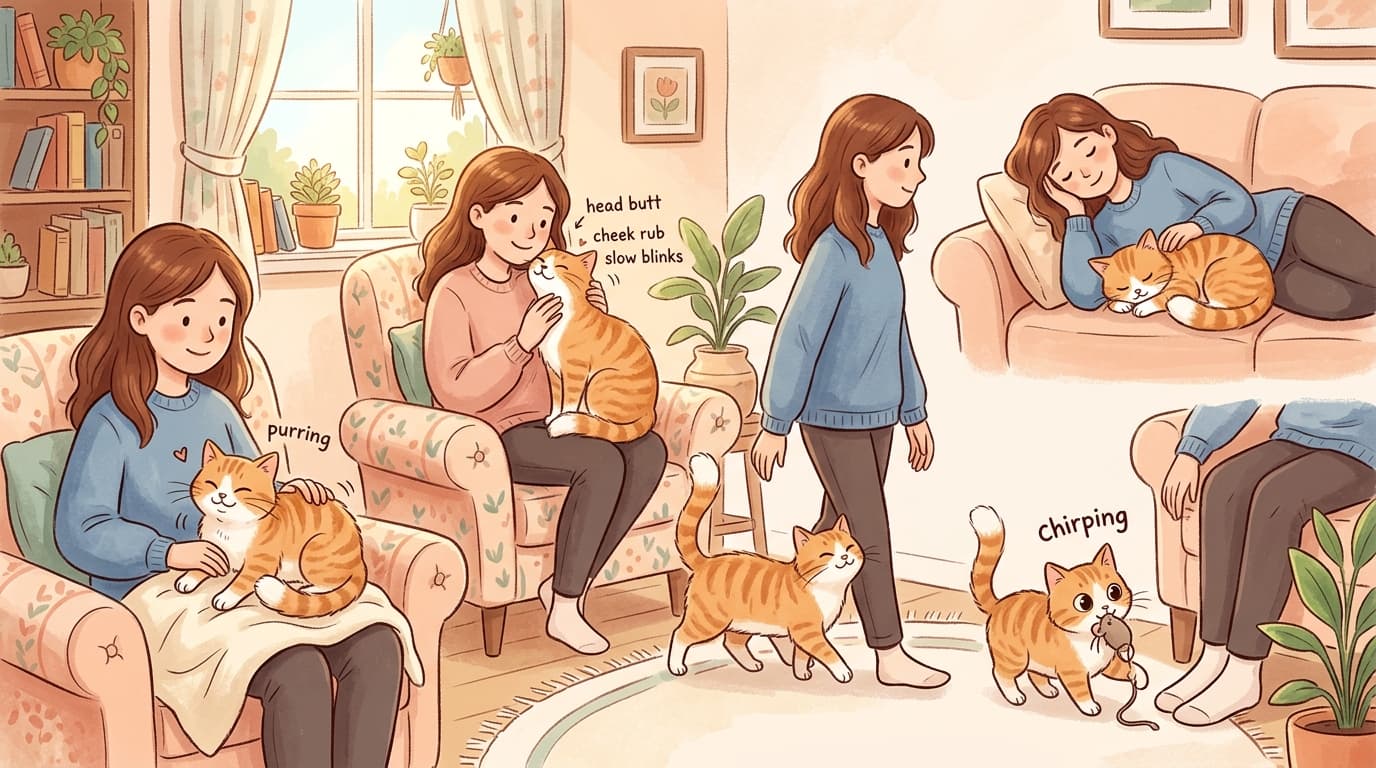
№ 29From kneading to greeting you at the door, these 5 behaviors can mean your cat sees you as their safe, mother-like figure.
 № 30
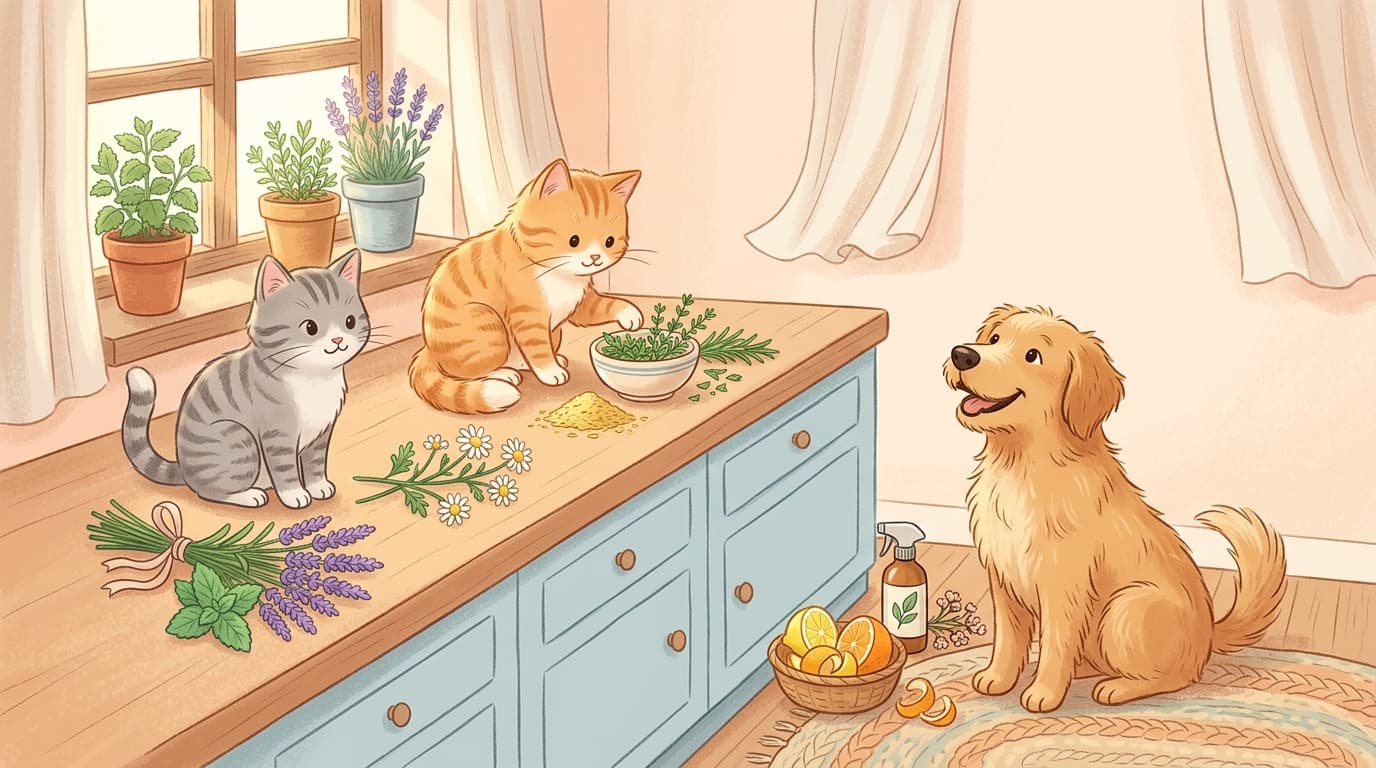
№ 30From apple cider vinegar to lemon spray, learn cat-friendly ways to reduce fleas and ticks—plus the home steps most owners skip.
 № 31
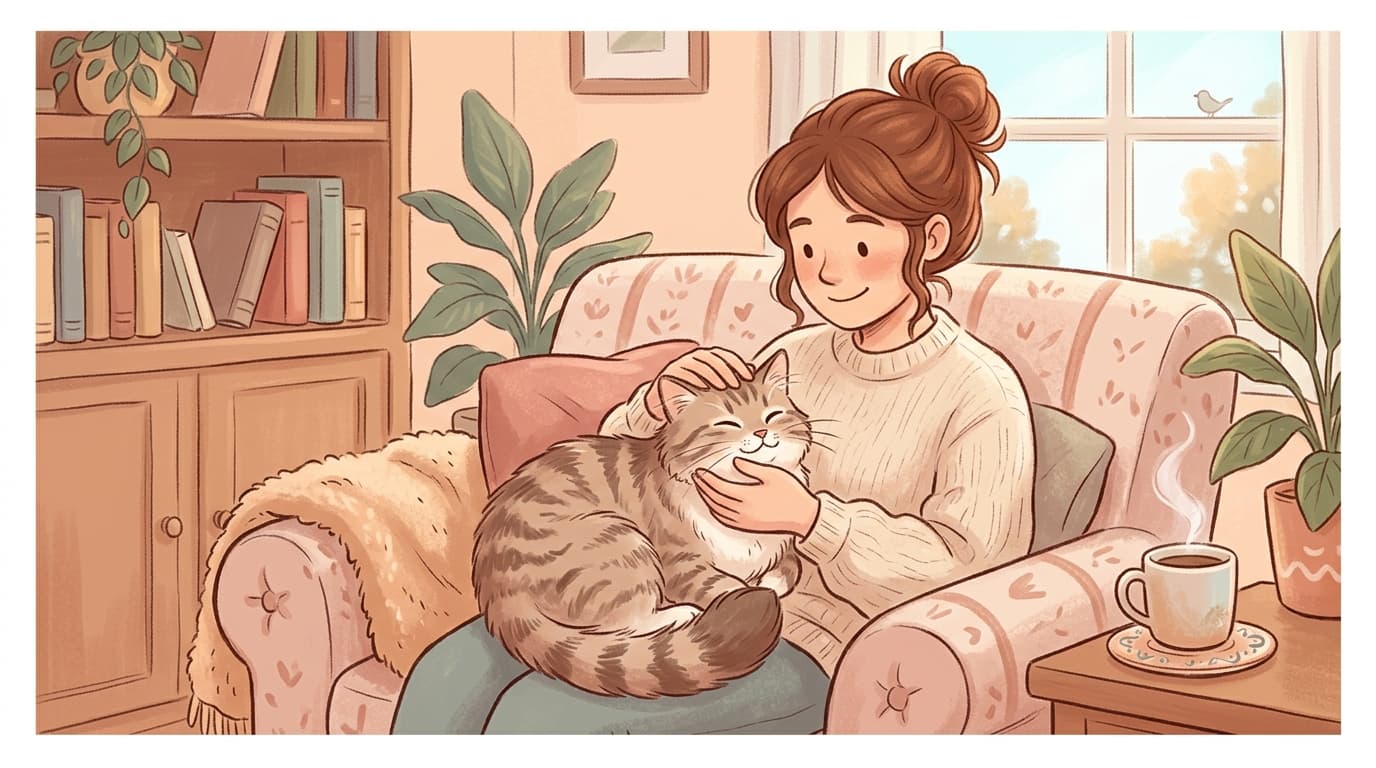
№ 31From tail-tremble greetings to head bumps, these 10 behaviors suggest your cat trusts you like a mother figure.
 № 32
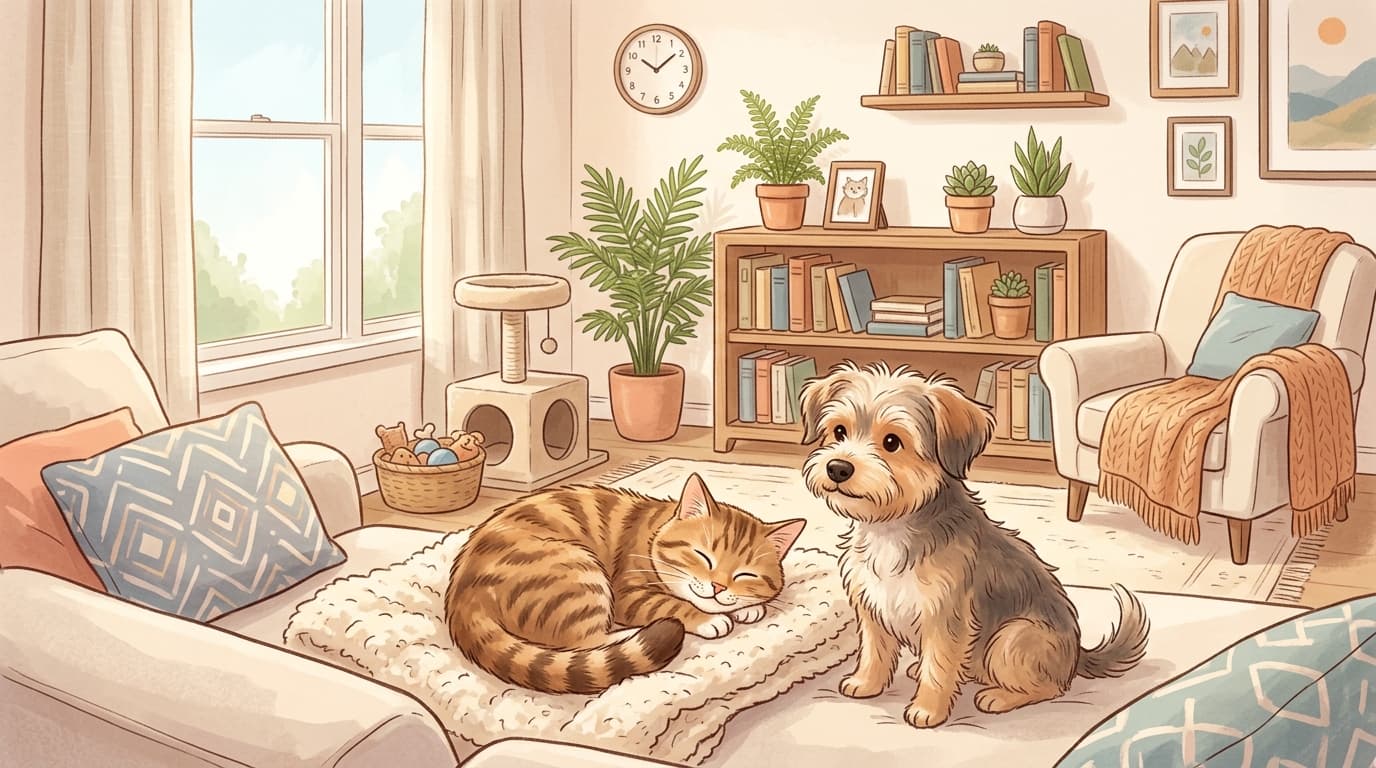
№ 32Cats are independent, but not indifferent. Learn how long cats can be alone—and 5 simple ways to reduce stress while you’re gone.
 № 33
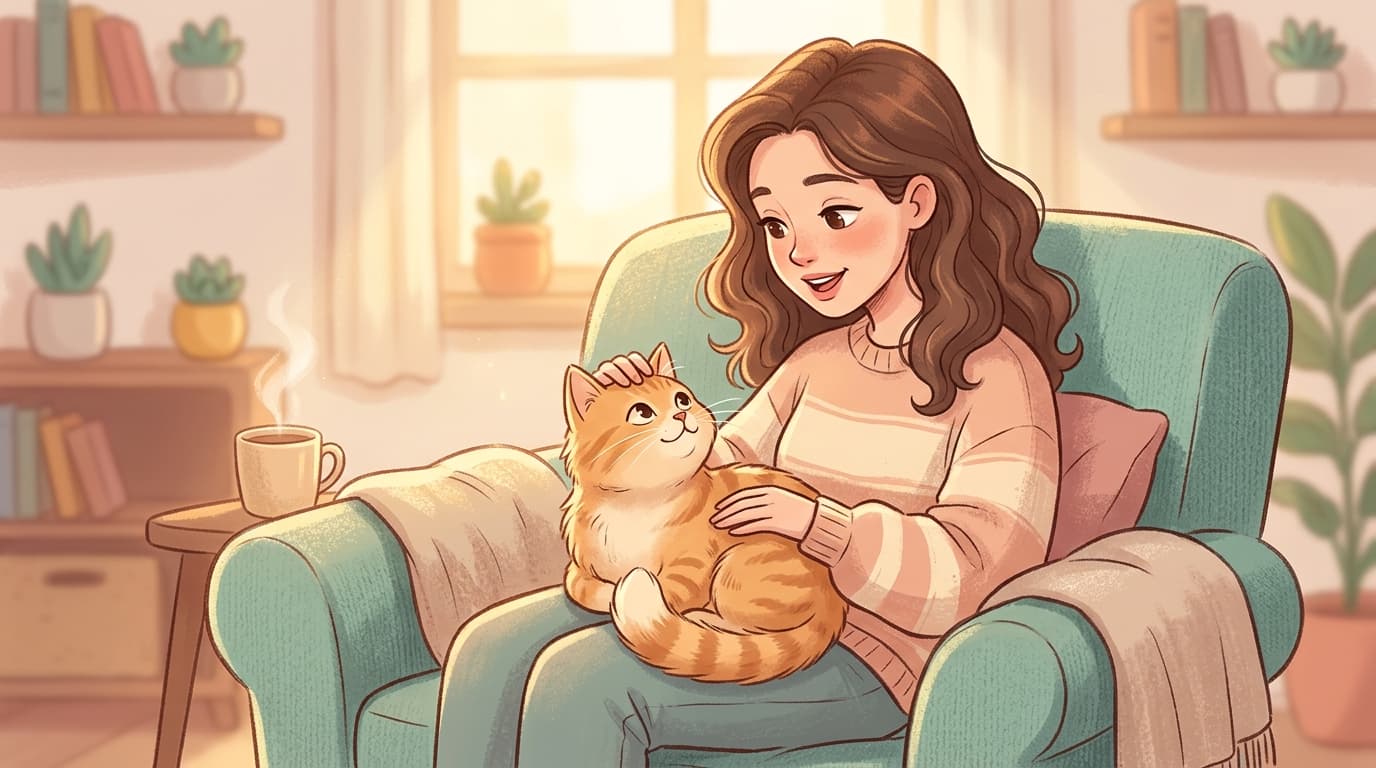
№ 33Your cat may not understand words, but your voice signals safety, routine, and emotion. Learn how talking builds a calmer, closer bond.
 № 34
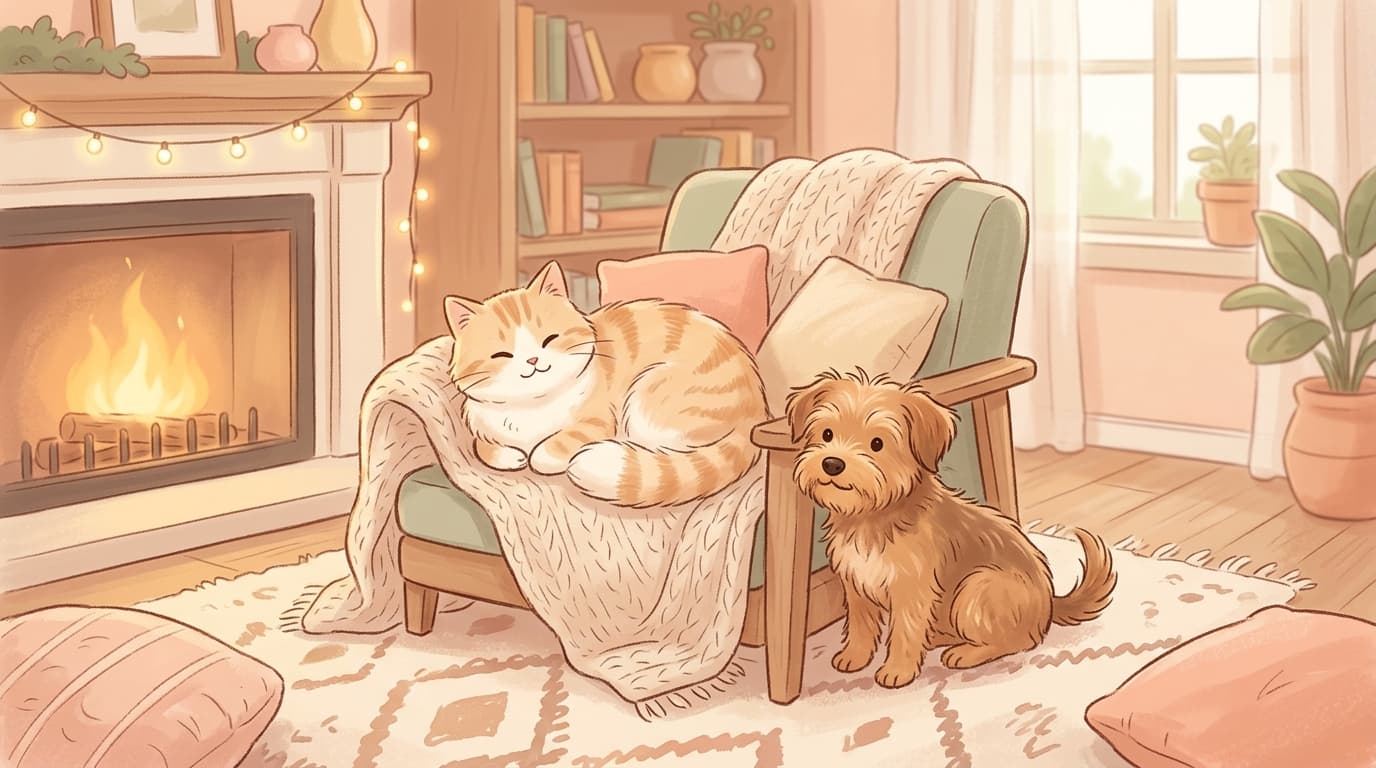
№ 34From forced cuddles to essential oils, these everyday habits can stress your cat. Here are 10 things to stop doing starting today.
 № 35
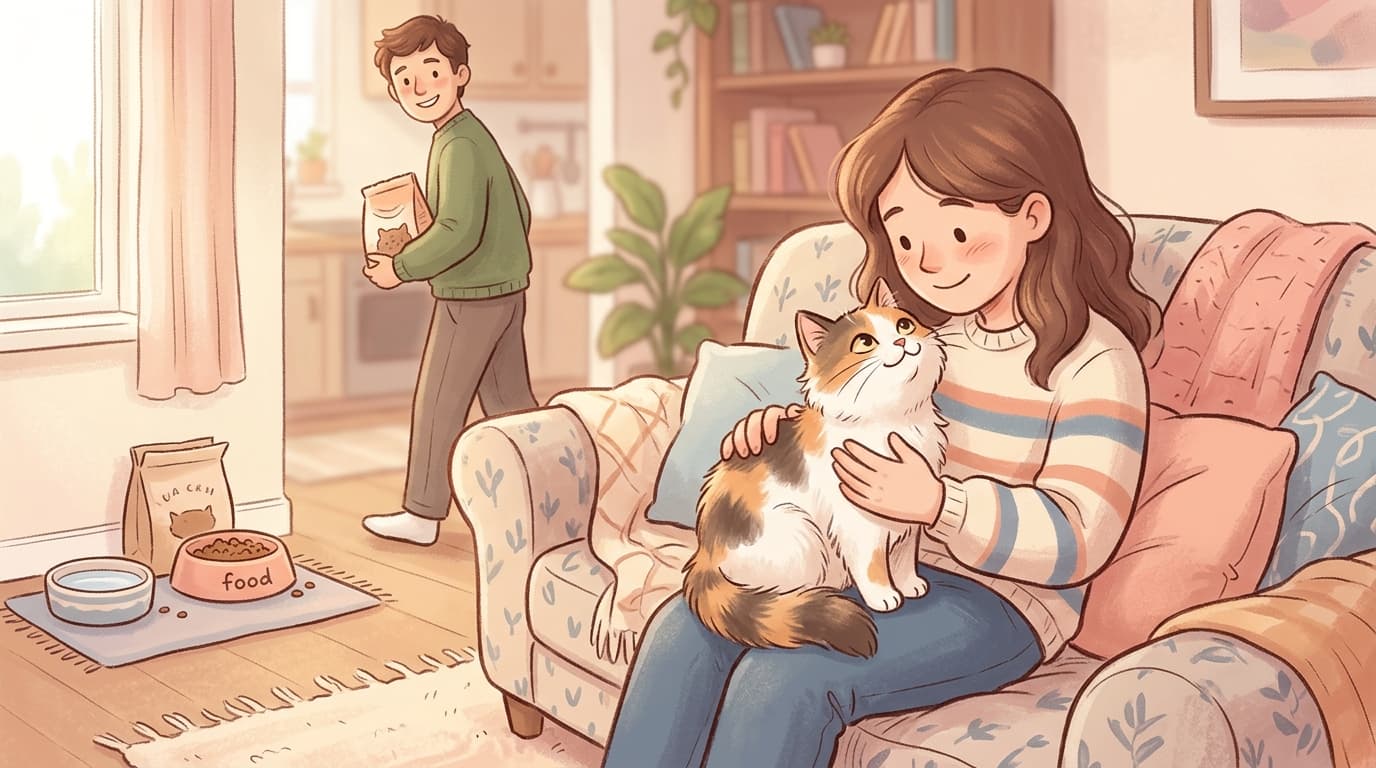
№ 35Your cat’s favorite person usually isn’t the “food human.” It’s the one who feels safest, calmest, and most predictable to be around.
 № 36
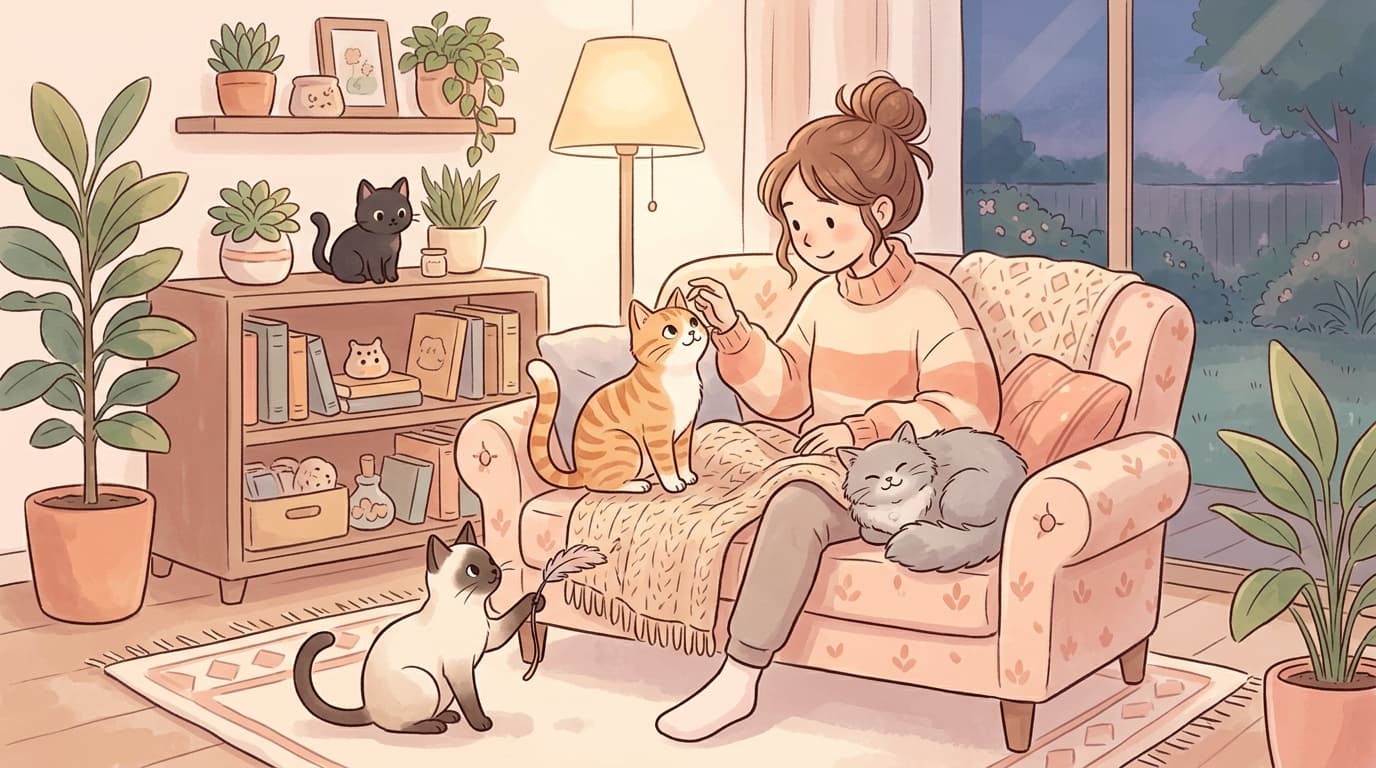
№ 36From strong scents to ignoring them at the door, these daily habits can stress your cat. Simple tweaks can rebuild trust fast.