
 № 37
№ 37How Cats Know When You Need Comfort (And Why Their Support Feels So Real)
Cats don’t read minds, but they notice tiny changes in your voice, routine, and scent—and respond with calming presence and purrs.
5 min read
§ Index
№ 37Cats don’t read minds, but they notice tiny changes in your voice, routine, and scent—and respond with calming presence and purrs.
 № 38
№ 38Your cat isn’t “jealous” of a new cat—usually they’re scared. Learn why it happens and how to introduce cats calmly, step by step.
 № 39
№ 39From vertical territory to slow blinks, these 13 simple habits help your cat feel safe, understood, and closer to you.
 № 40
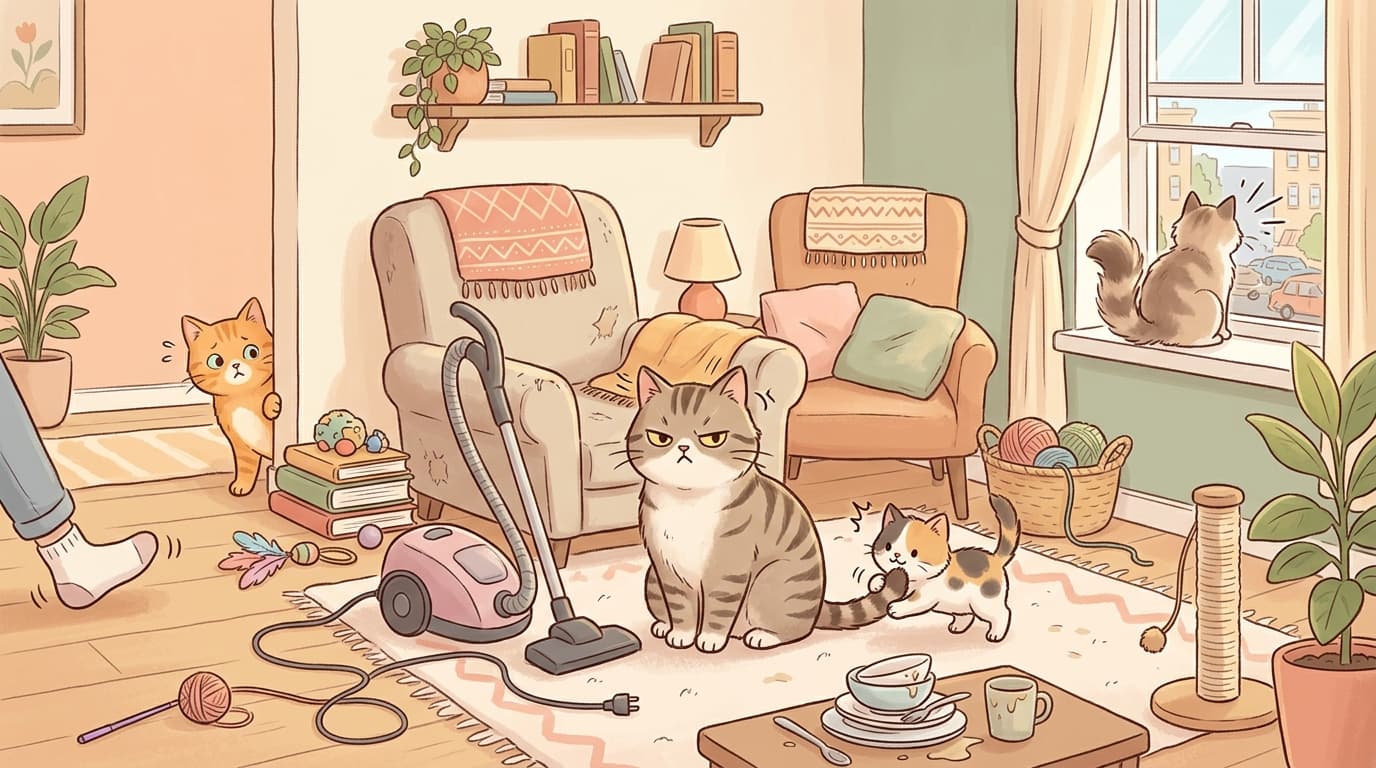
№ 40Small daily habits can make your cat angry or stressed. Learn common triggers, warning signs, and how to handle them gently.
 № 41
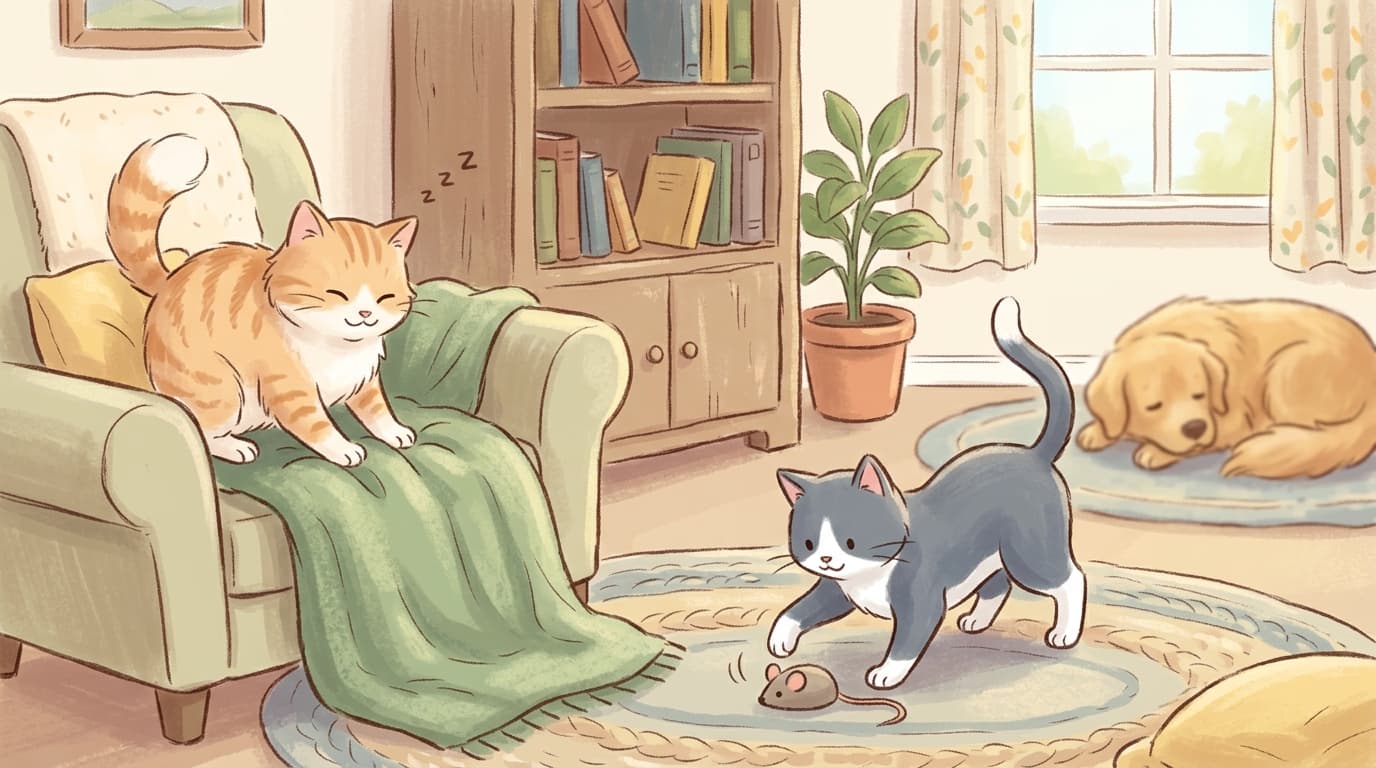
№ 41Male cat behavior can feel bolder, chattier, and more clingy than females. Here’s why your boy cat acts so different at home.
 № 42
№ 42Cats don’t jump “by magic.” Learn how vision, muscle power, and a flexible spine make cat jumps so precise and high.
 № 43
№ 43Your cat isn’t magically faster at night—low-light hunting instincts, crepuscular habits, and stored energy fuel midnight zoomies.
 № 44
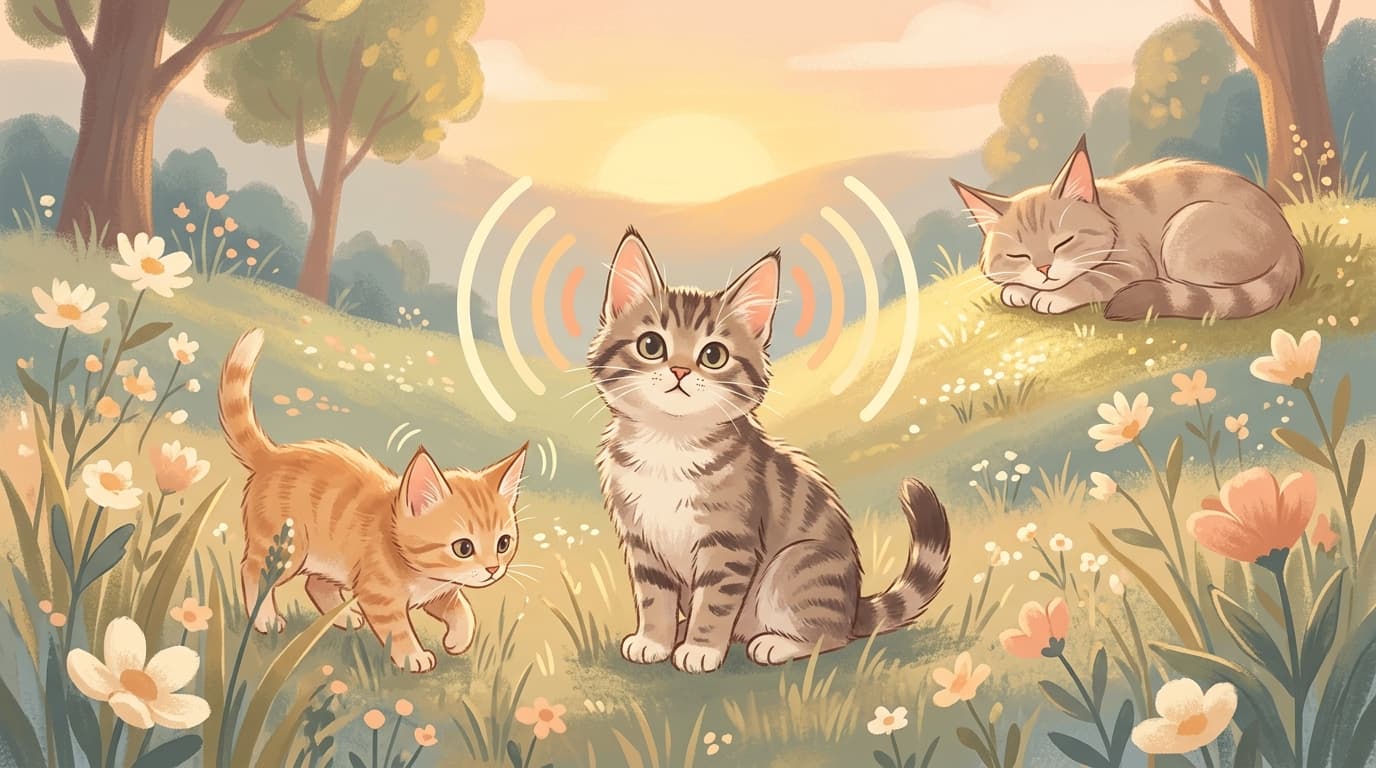
№ 44Cats’ pointy ears act like sound funnels, move independently, and detect ultra-high frequencies—perfect for hunting tiny prey.
 № 45
№ 45Learn what common cat sounds mean—chattering, purring, trilling, meowing, hissing, chirping, and howling—so you can respond better.
 № 46
№ 46Your cat’s presence may be more than chance—explore mercy, patience, purring, and the spiritual meaning behind everyday care.
 № 47
№ 47Your cat’s stare can mean affection, stress, a warning, or a request. Learn how to read the eyes, body language, and context.
 № 48
№ 48Cats notice every leaving cue. Learn what they feel when you go, why reactions vary, and simple ways to help them stay calm.