
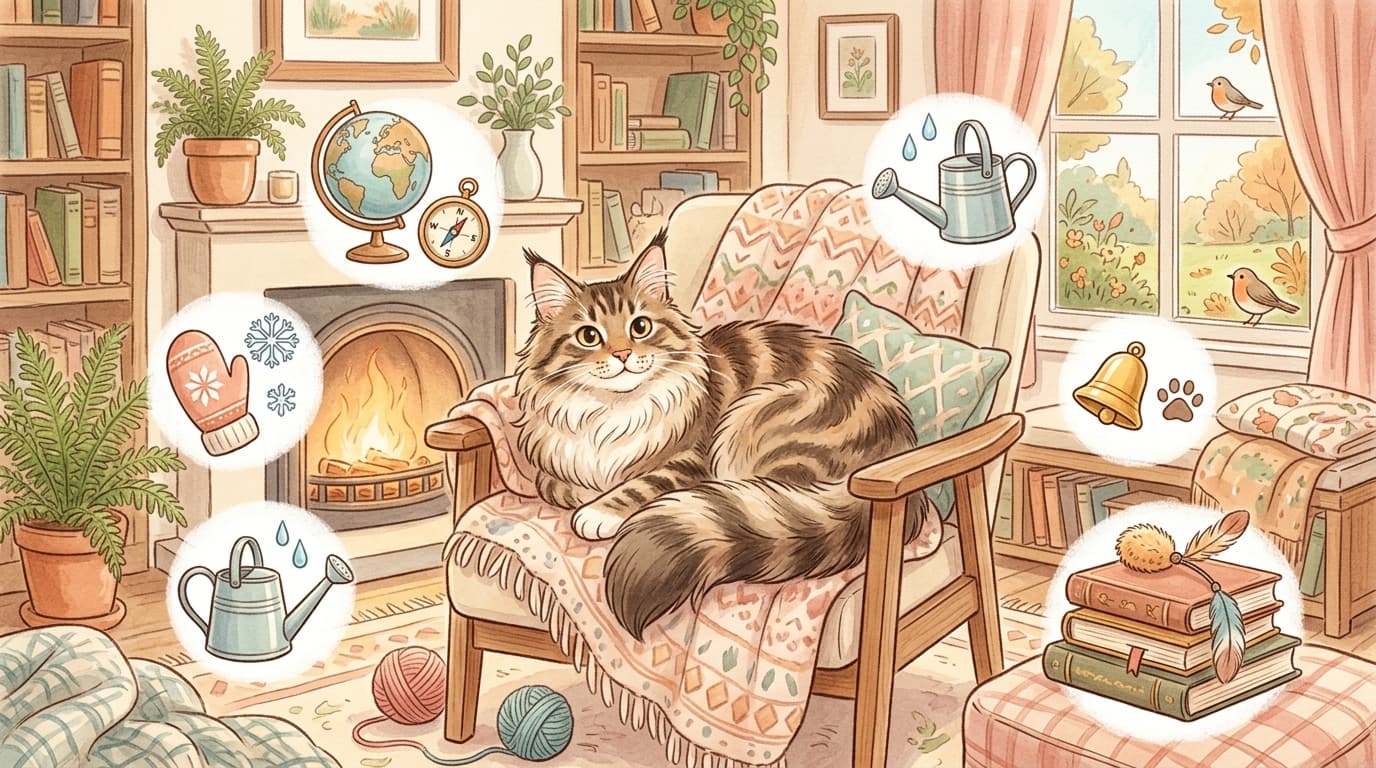
 № 13
№ 13Maine Coon Cats: 5 Fascinating Facts About This Gentle Giant
From their huge size to their chirpy “talking,” these Maine Coon facts explain why the breed is such a beloved gentle giant.
3 min read
§ Index
№ 13From their huge size to their chirpy “talking,” these Maine Coon facts explain why the breed is such a beloved gentle giant.
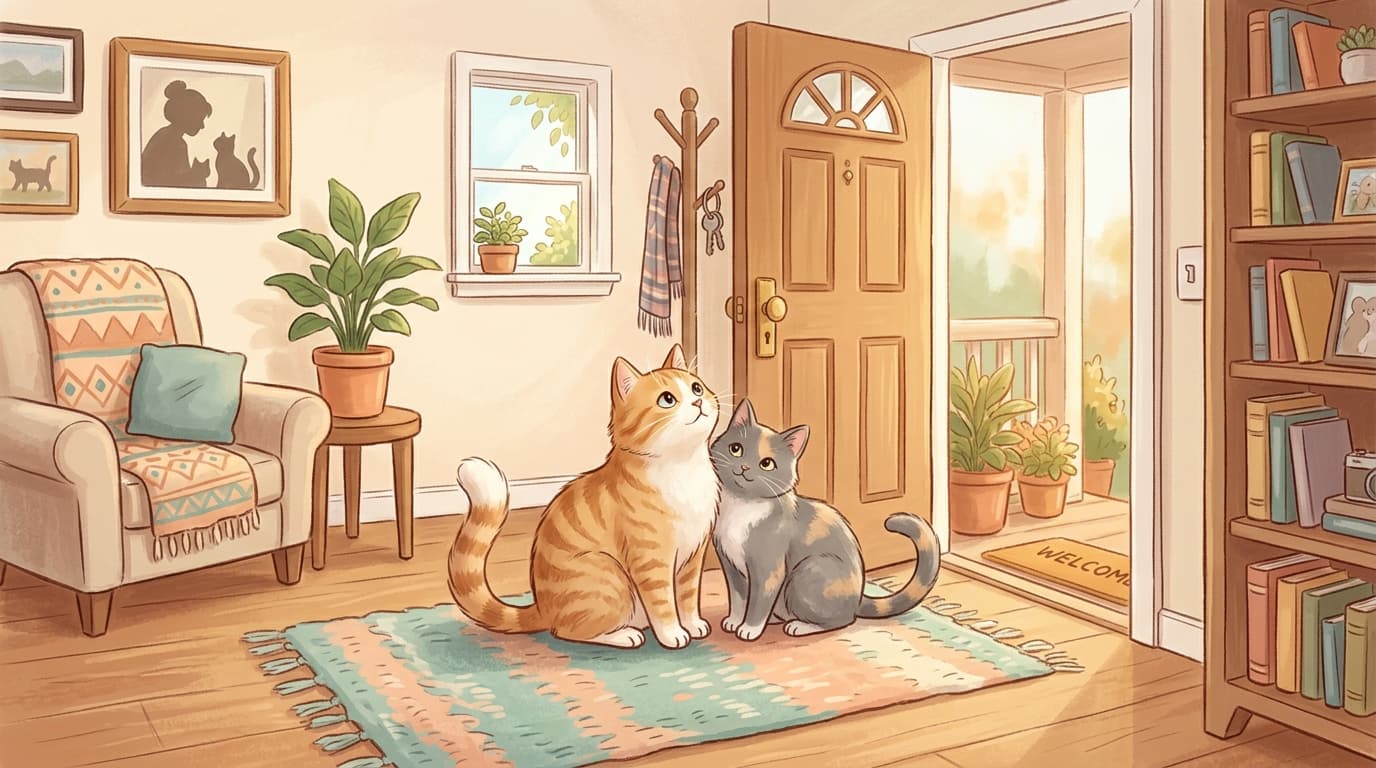 № 14
№ 14Many cats form secure attachments and miss you—just not as “abandonment.” Learn the real signs and how to prevent boredom.
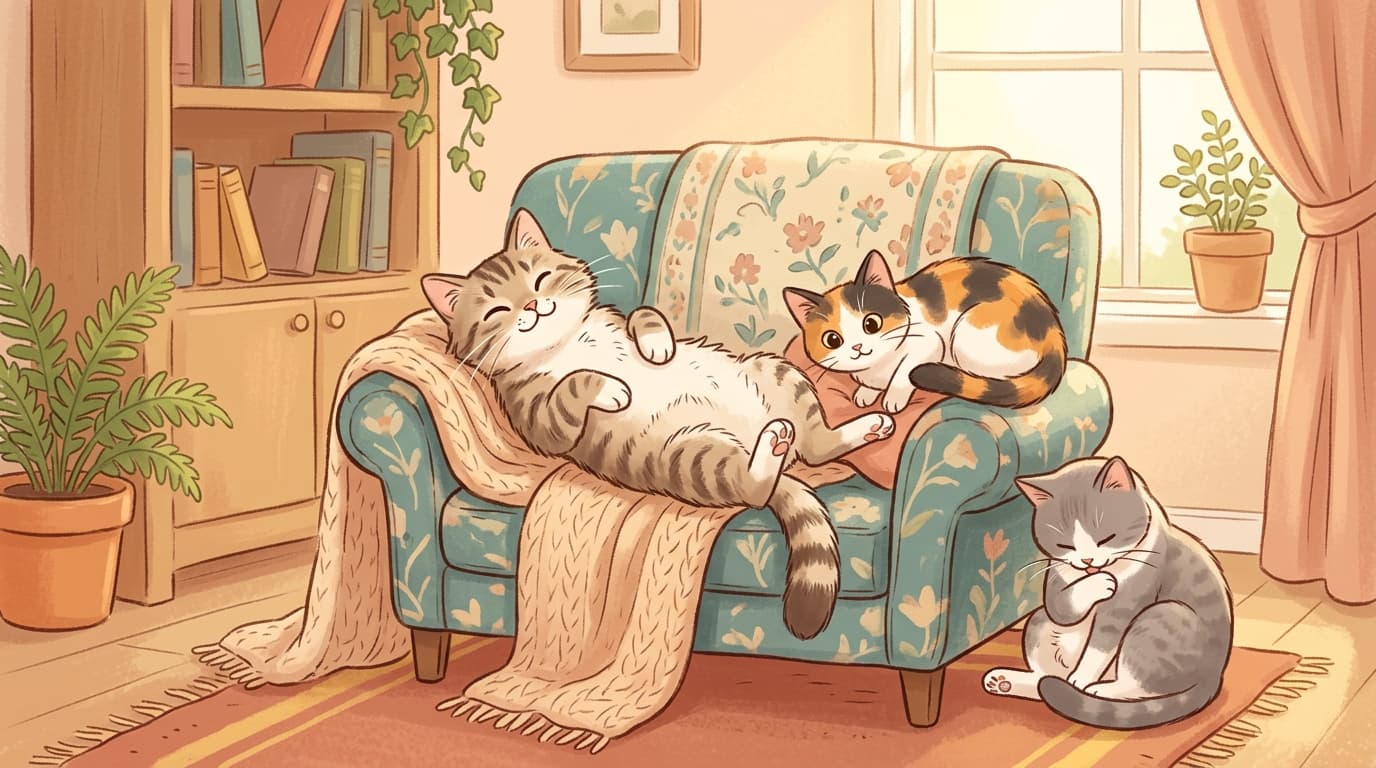 № 15
№ 15That cat sagging belly is often a primordial pouch—normal, useful, and rooted in wild ancestry. Here’s how to tell it from fat.
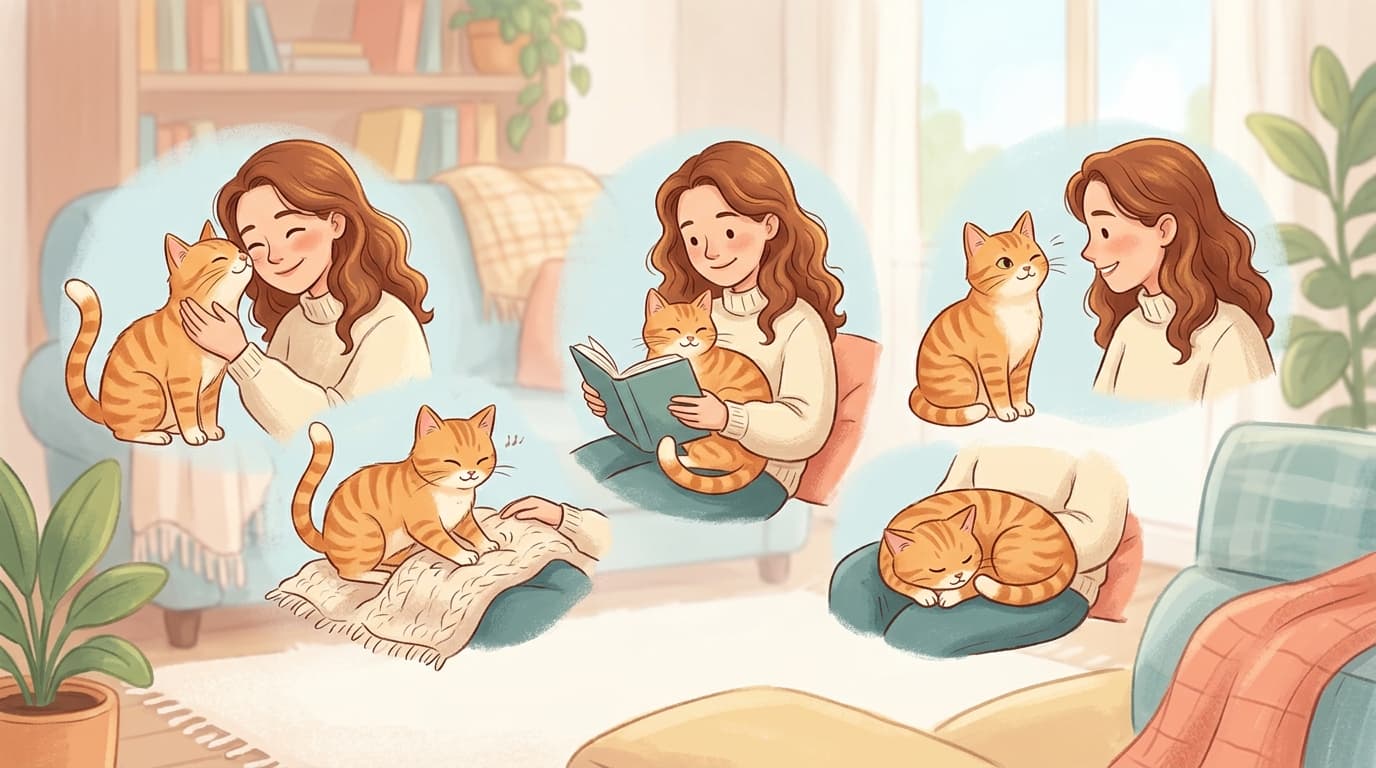 № 16
№ 16Your cat may be praising you in silence. Learn 5 subtle “cat compliments” that signal deep trust and a strong bond.
 № 17
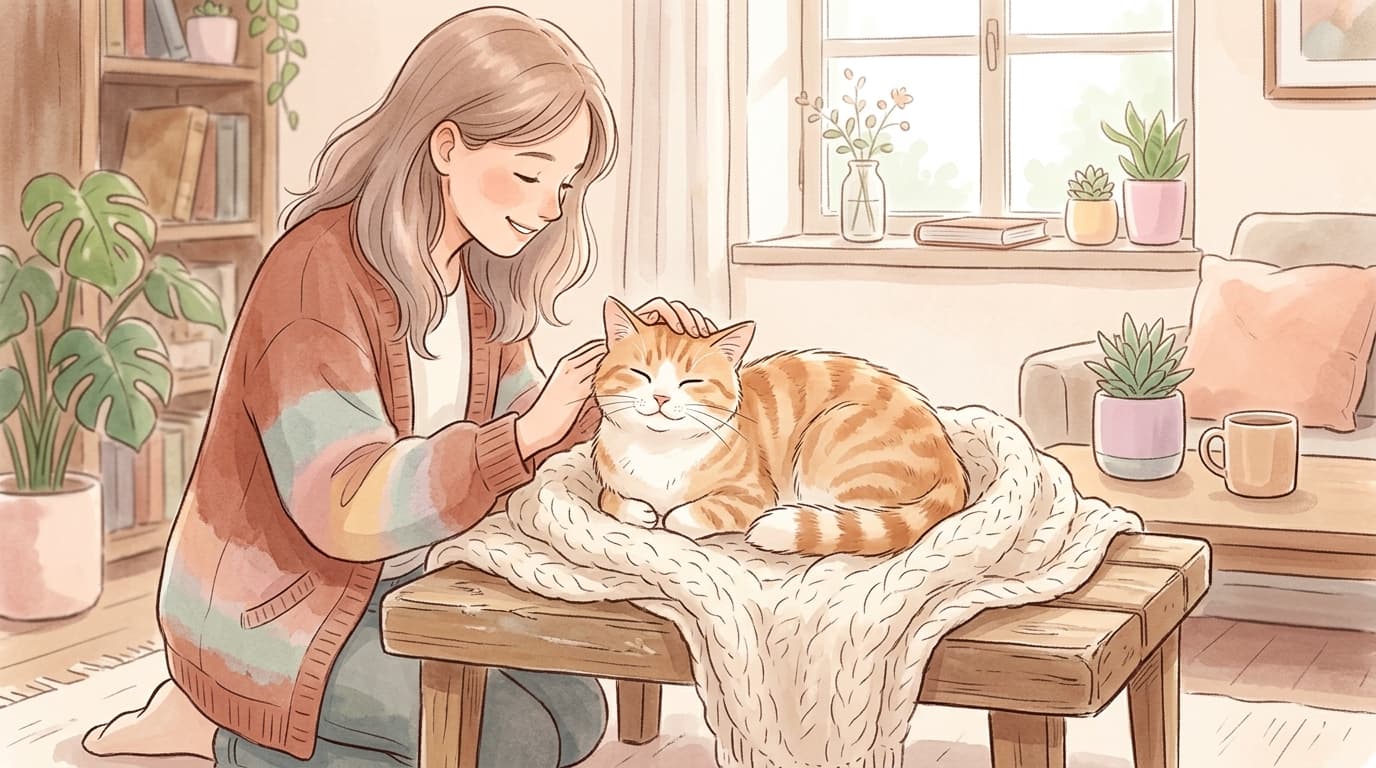
№ 17Your cat craves more than food and toys. Try these 5 small, quiet habits to build trust and make your cat feel truly safe.
 № 18
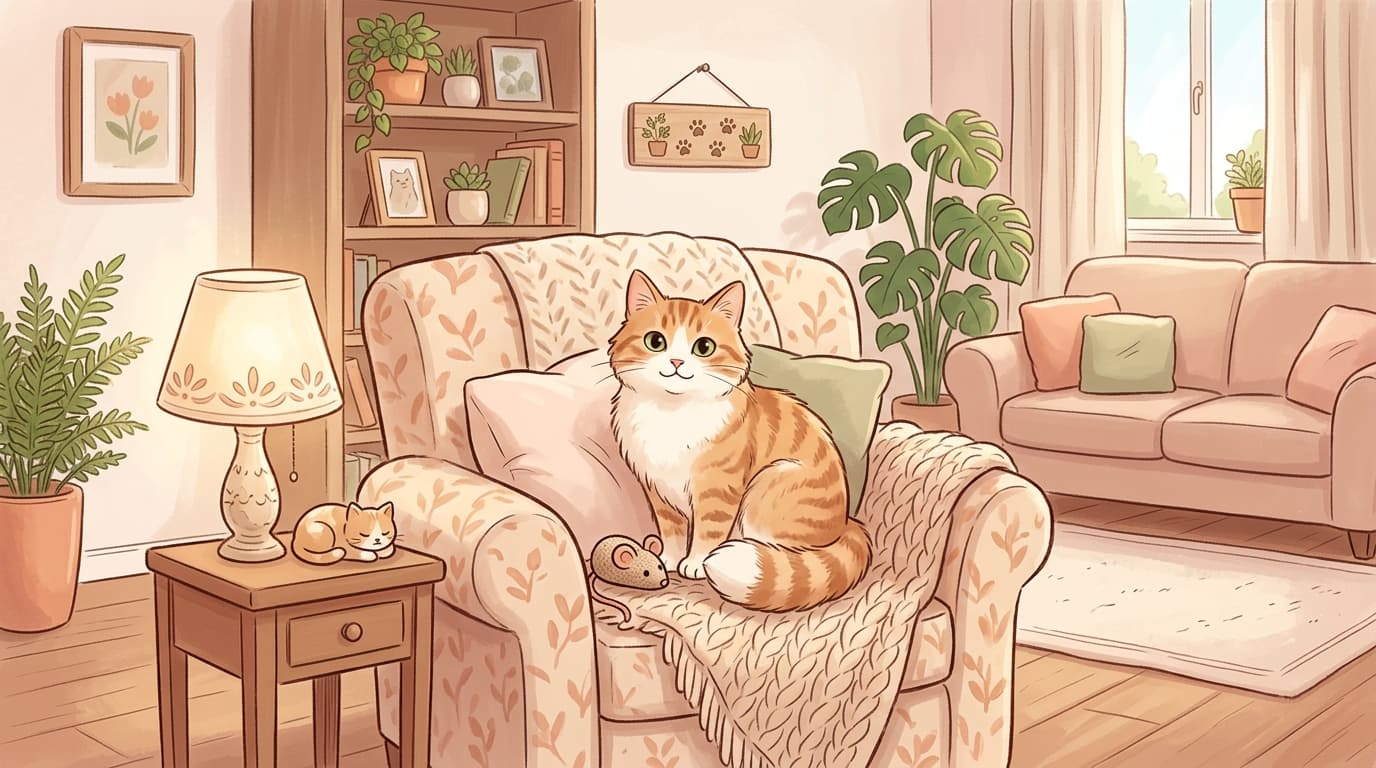
№ 18Leaving your cat alone at home? Avoid these 15 common mistakes that can cause stress, boredom, or real safety risks.
 № 19
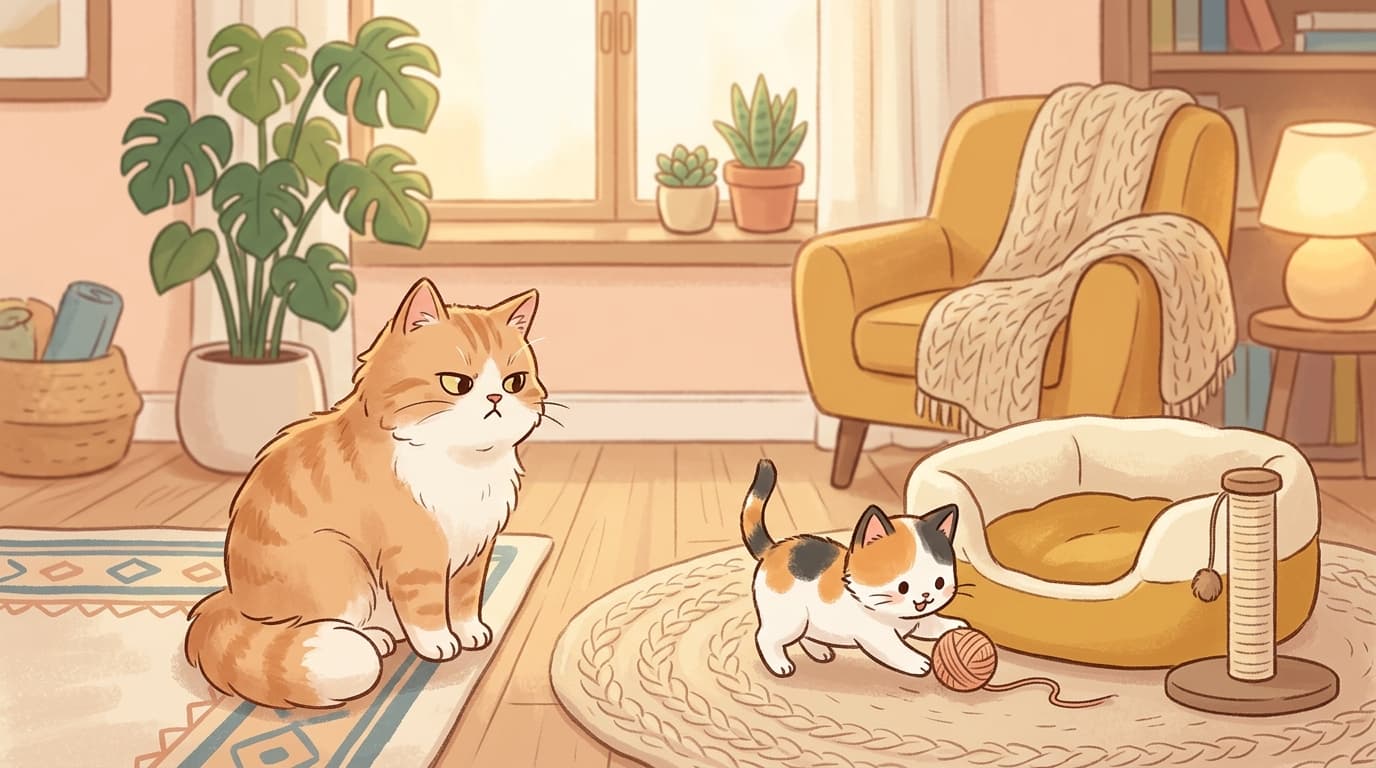
№ 19Your cat isn’t “jealous” of a new cat—usually they’re scared. Learn a calm, step-by-step introduction plan that actually works.
 № 20
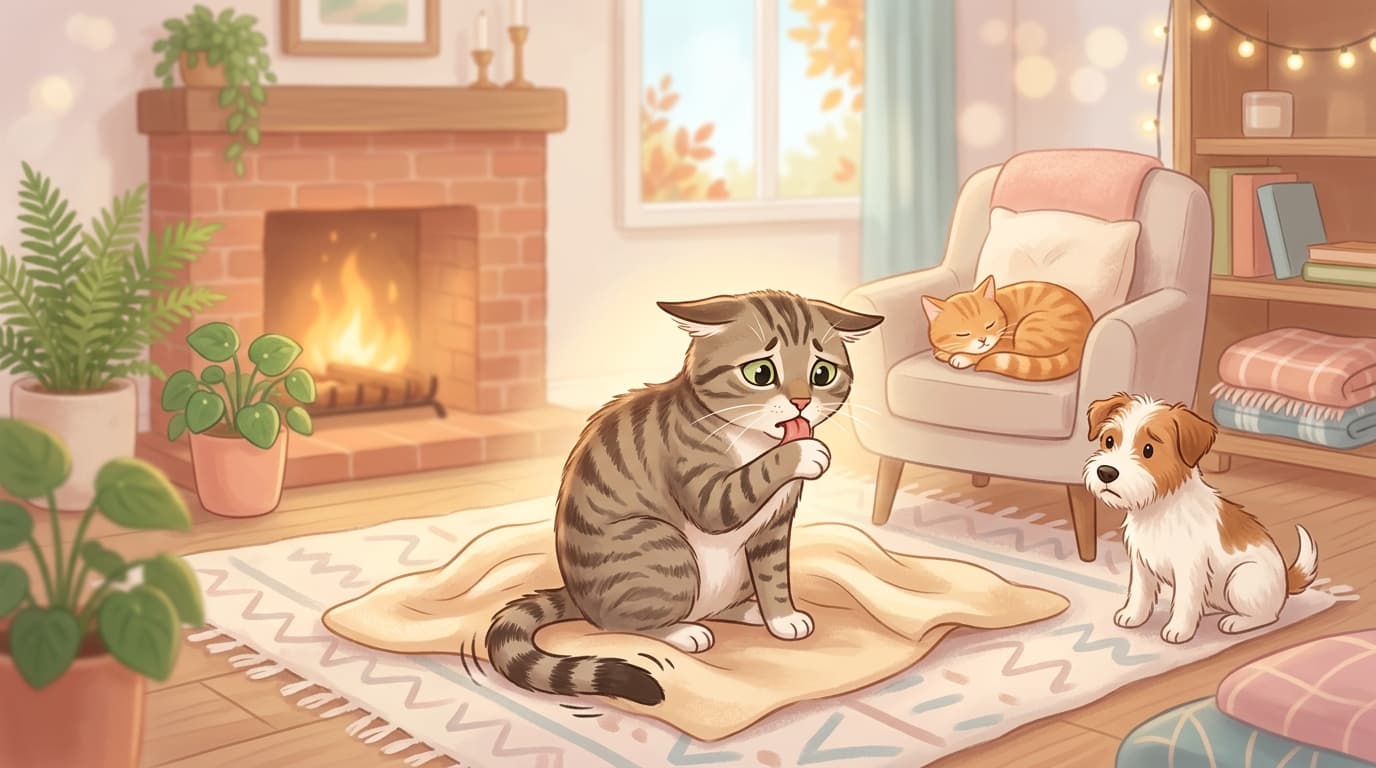
№ 20Learn the most common signs your cat is unhappy—from tail signals to hiding—plus simple ways to help them feel safe again.
 № 21
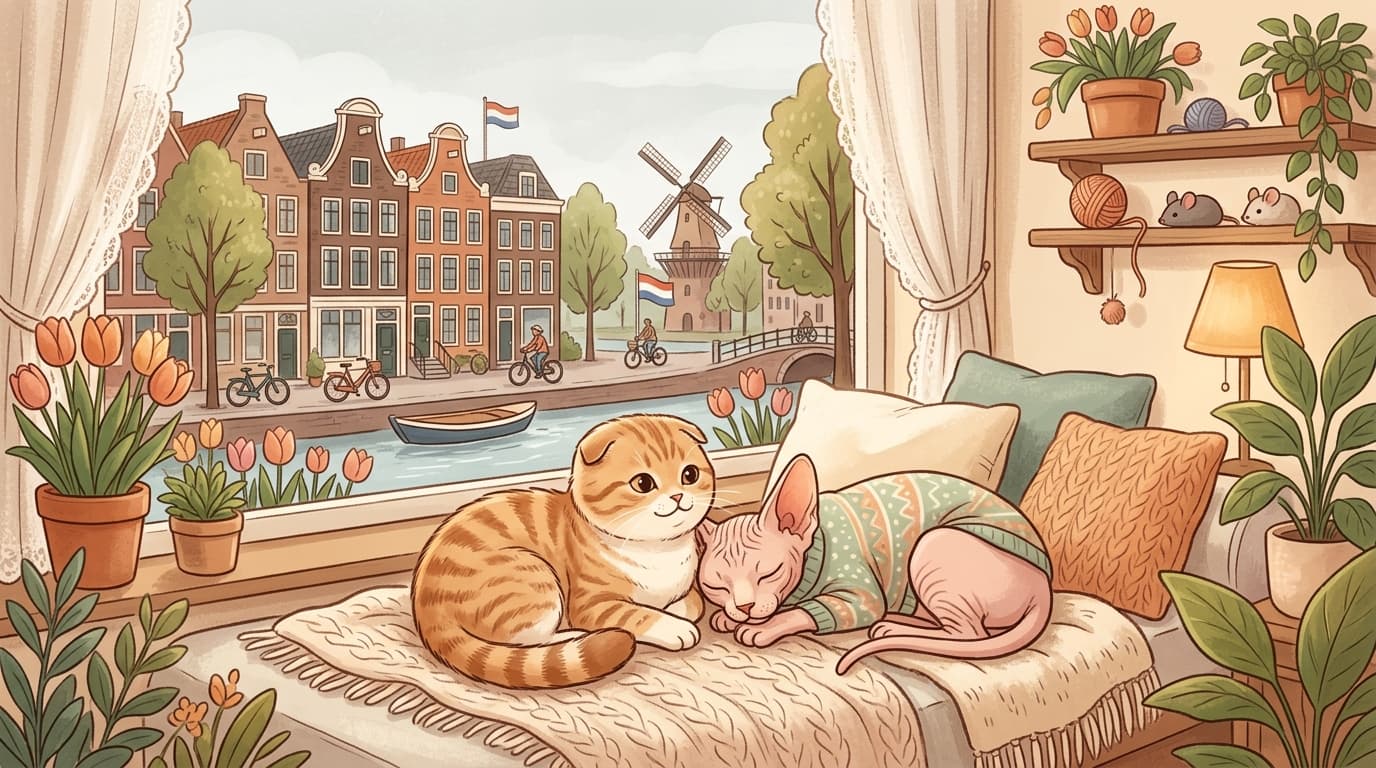
№ 21From 2026, the Netherlands bans Scottish Fold and Sphynx cats due to health concerns. Here’s what it means and why it matters.
 № 22
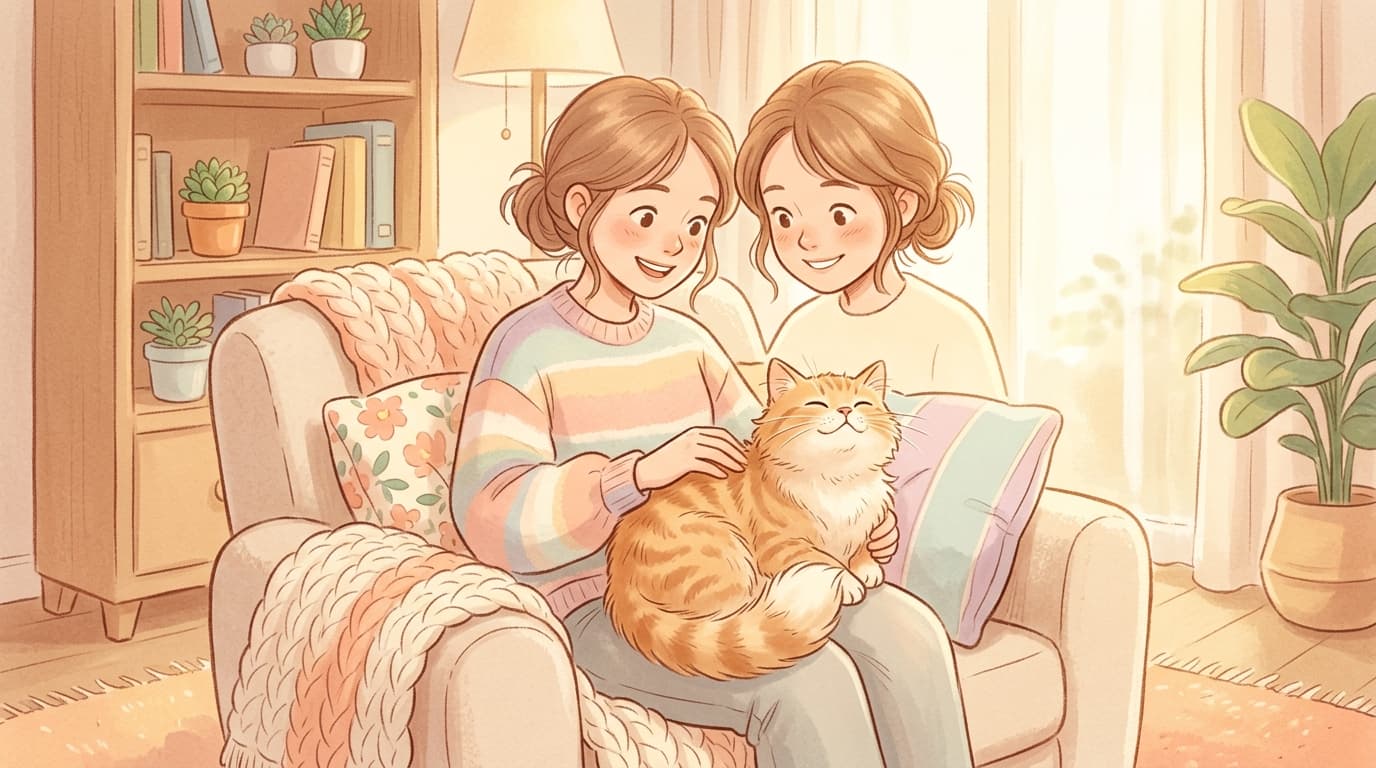
№ 22Your cat reads petting as scent, identity, and safety—not simple affection. Learn where to pet, what to avoid, and why bites happen.
 № 23
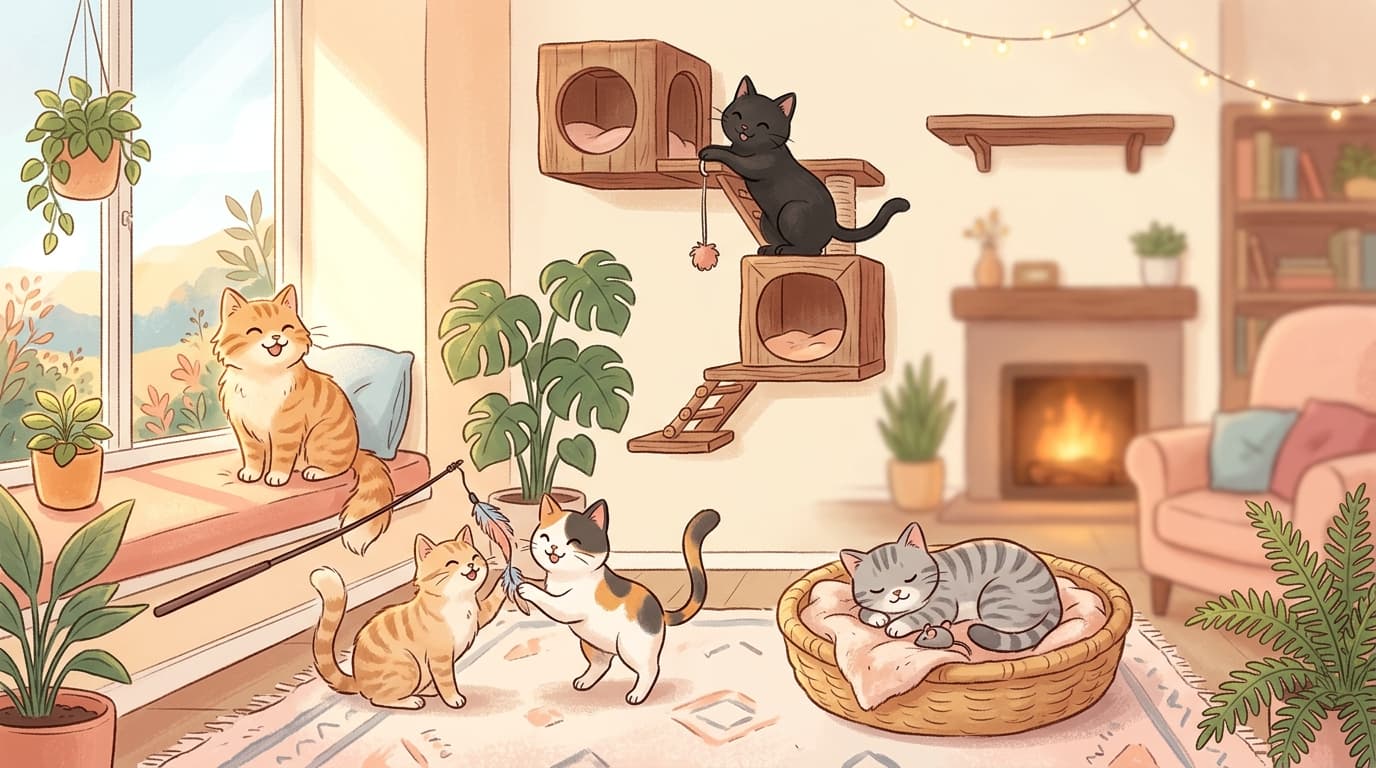
№ 23From better petting to smarter play and calmer litter box habits—10 simple changes that make your cat feel safer, closer, and happier.
 № 24
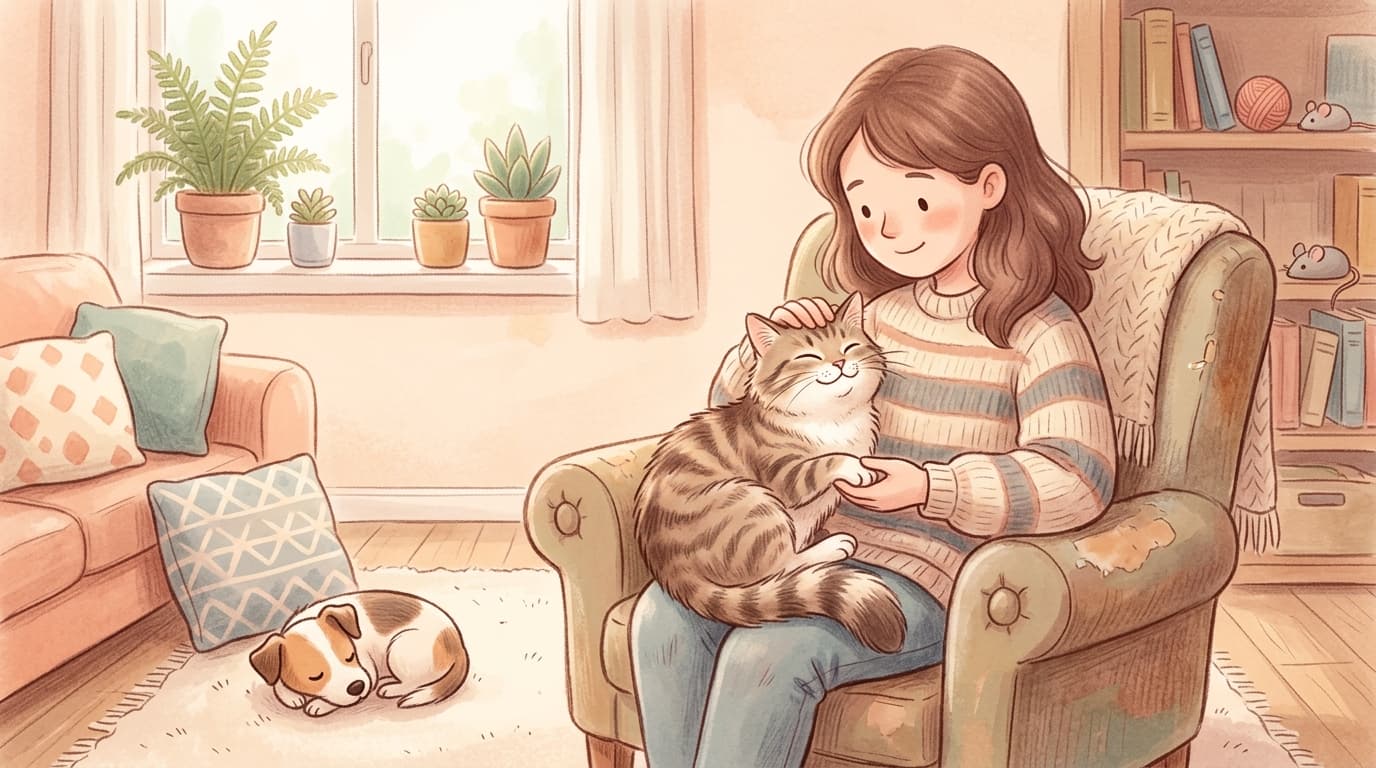
№ 24Cats show love in subtle ways. These 8 signs reveal your cat sees you as family—trust, safety, and real bonding.