
 № 61
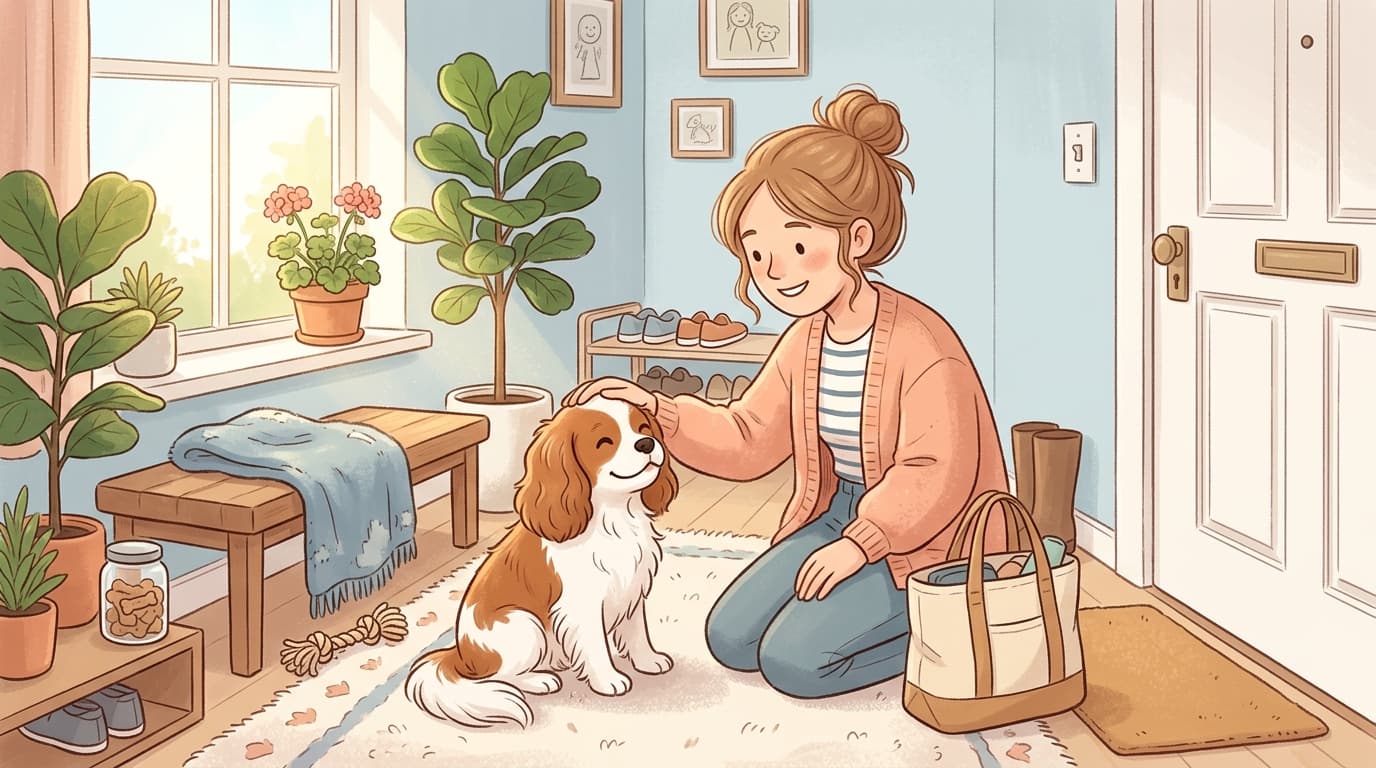
№ 61A 5-Minute Pre-Departure Routine to Ease Dog Separation Anxiety
Use this simple pre-departure routine to reduce dog separation anxiety with calmer cues, scent, sound, light, and a quiet exit.
5 min read
§ Index
№ 61Use this simple pre-departure routine to reduce dog separation anxiety with calmer cues, scent, sound, light, and a quiet exit.
 № 62
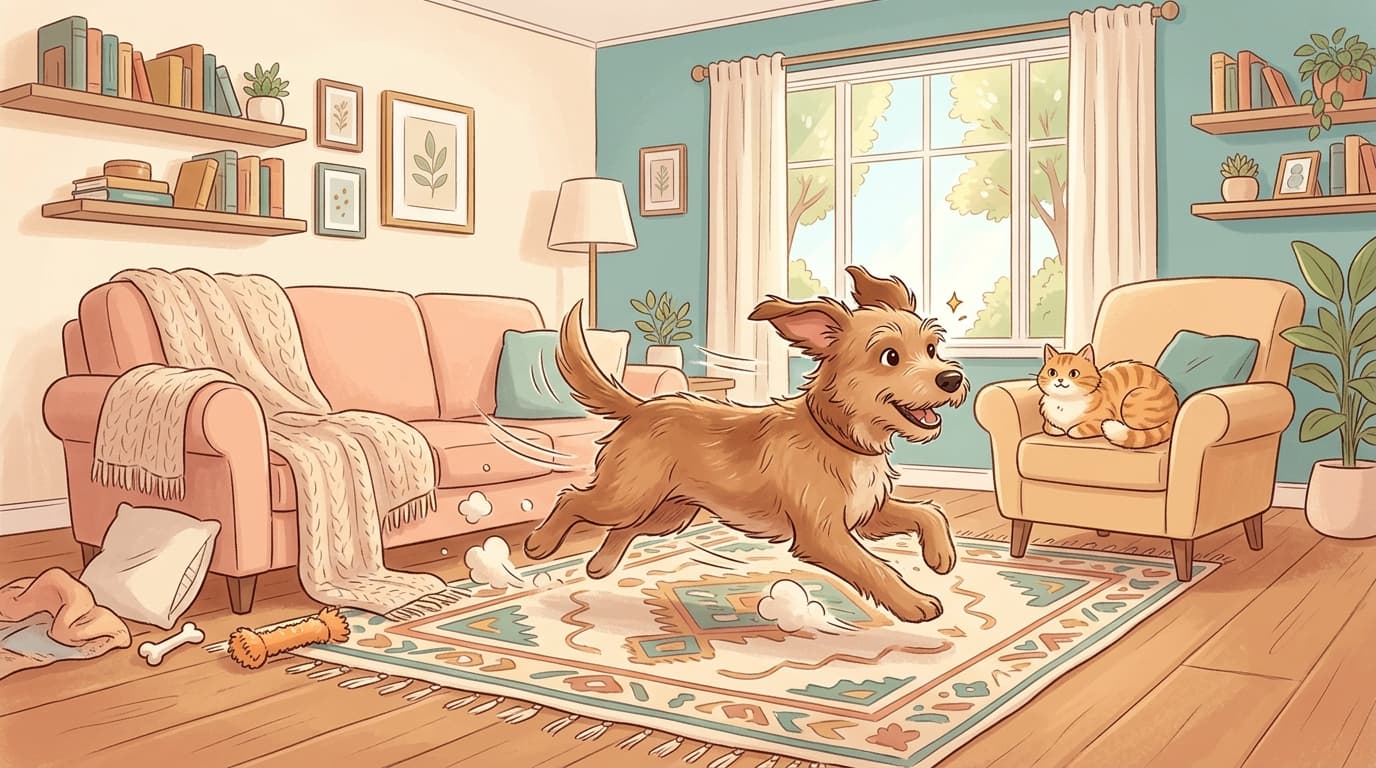
№ 62Dog zoomies aren’t just “extra energy.” Learn what triggers FRAPs, how timing matters, and how to read your dog after the sprint.
 № 63
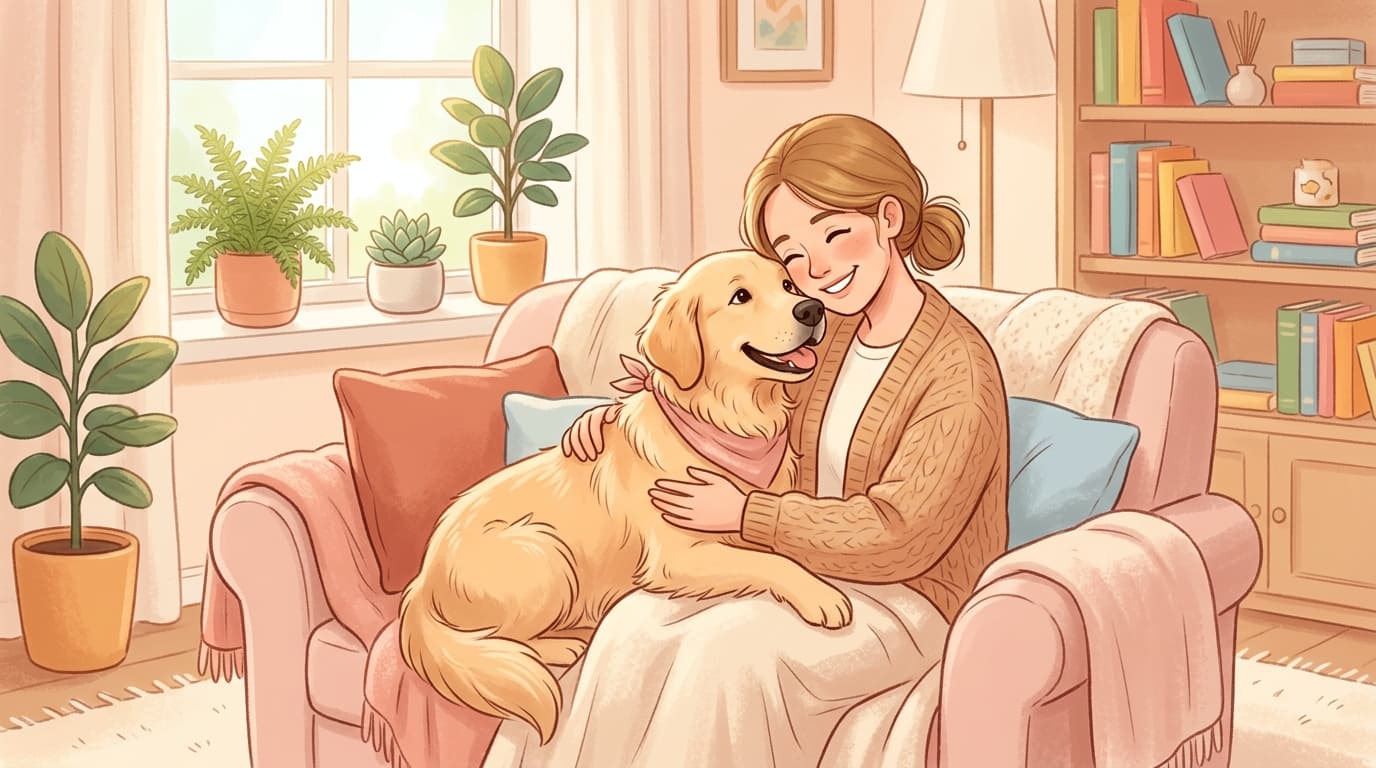
№ 63From quietly stepping in front of you to sensing stress, these female dog behaviors often mean protection, bonding, and deep trust.
 № 64
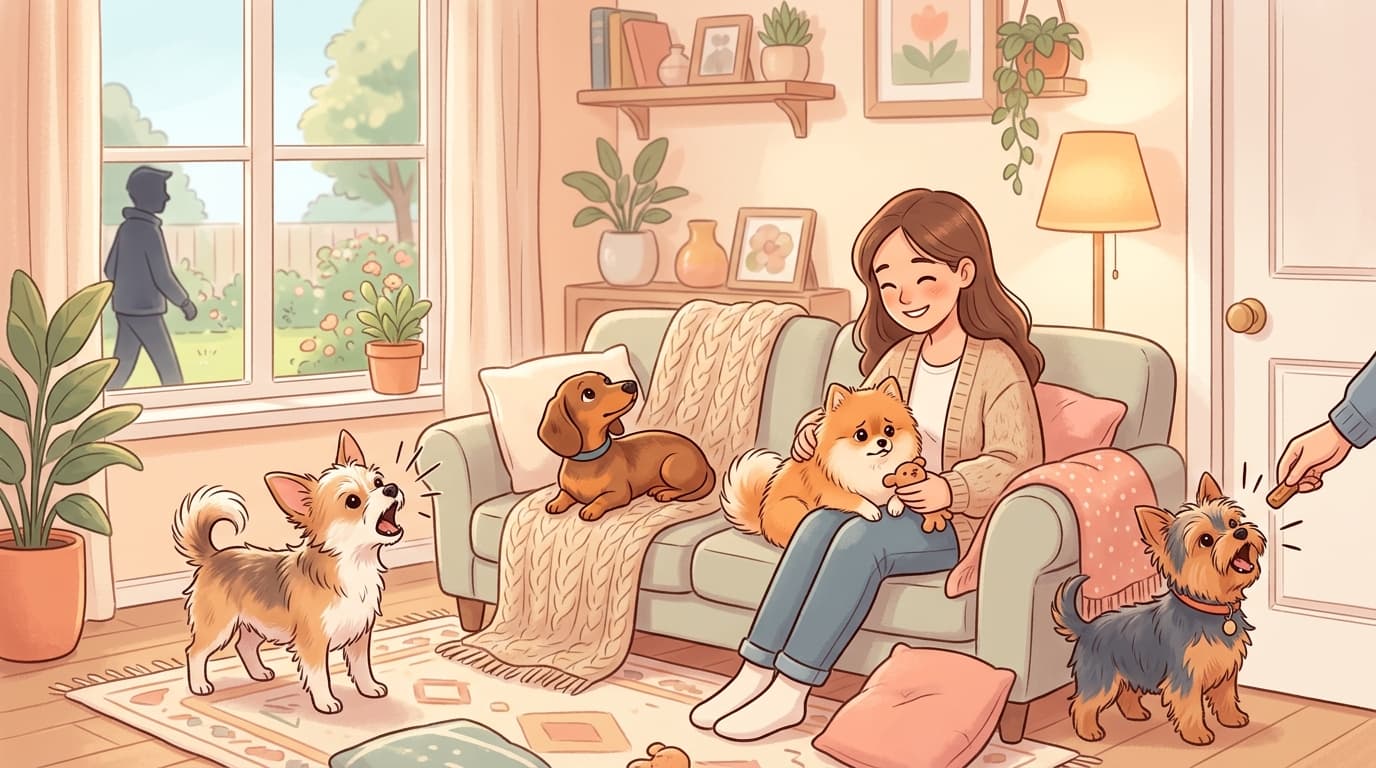
№ 64Small dogs often bark more because of breeding, feeling vulnerable, accidental reinforcement, and unmet energy—not because they’re “annoying.”
 № 65
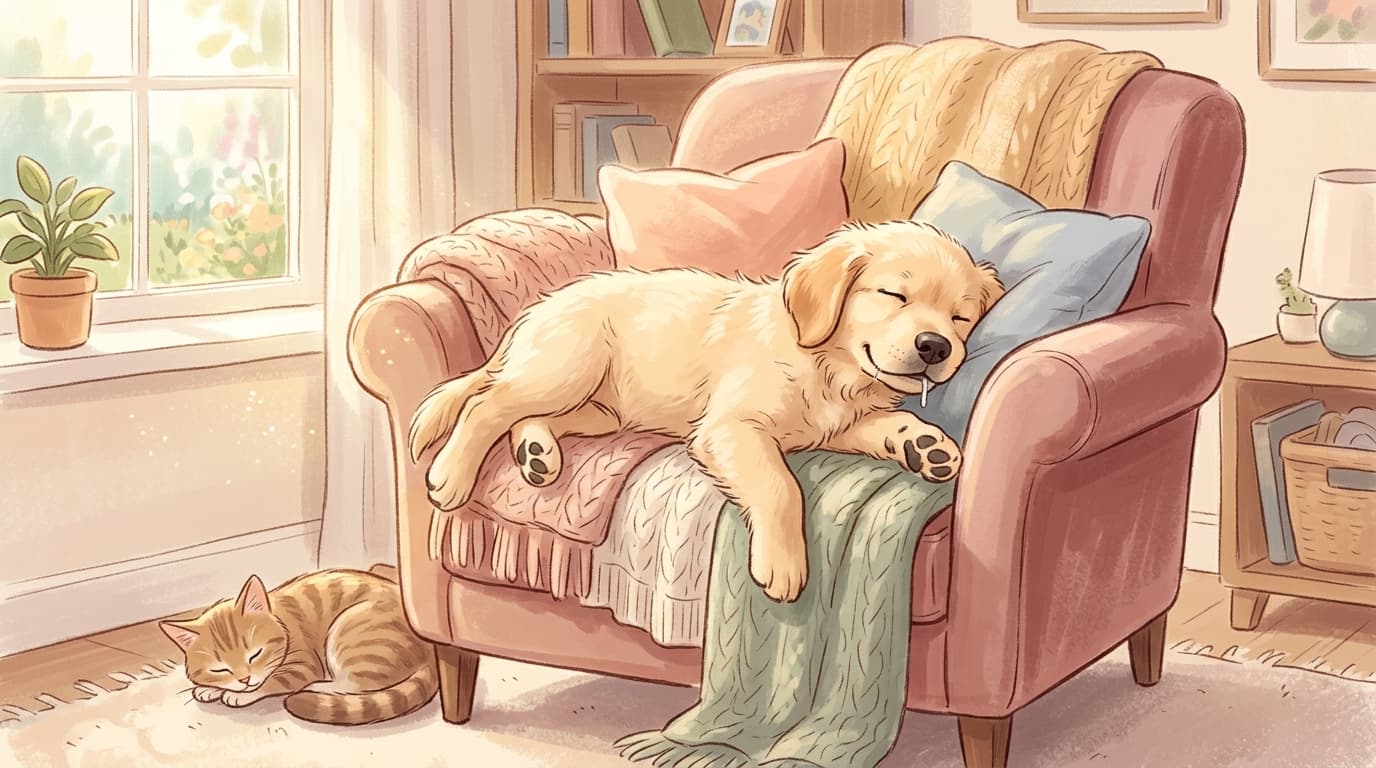
№ 65Ever wonder why your dog sleeps so peacefully? It’s the carefree dog life: no schedules, no stress, just food, comfort, and you.
 № 66
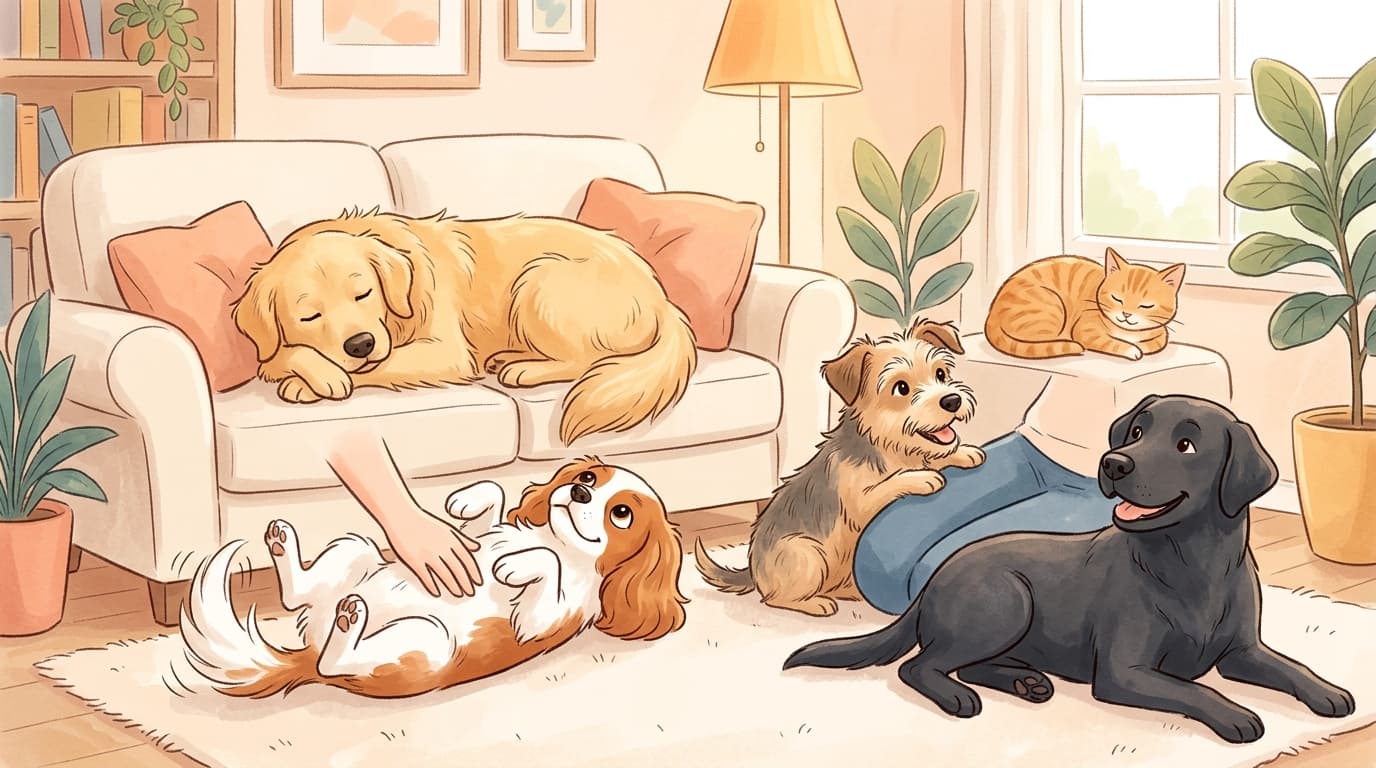
№ 66From right-leaning tail wags to tiny “check-in” glances, these subtle behaviors reveal when your dog feels happy, safe, and secure.
 № 67
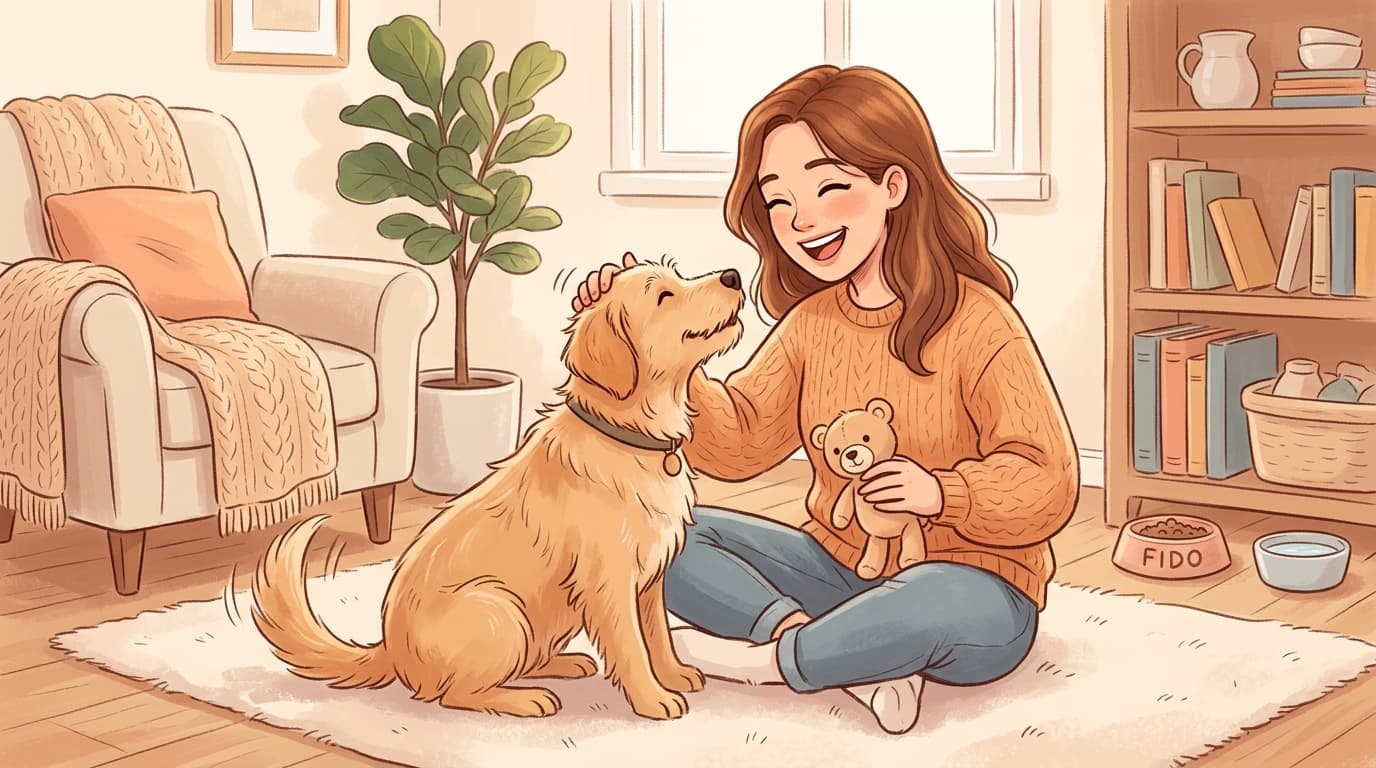
№ 67Your dog’s favorite person is the one who feels safest and most predictable. Use simple routines and a 90-second gaze ritual to deepen your bond.
 № 68
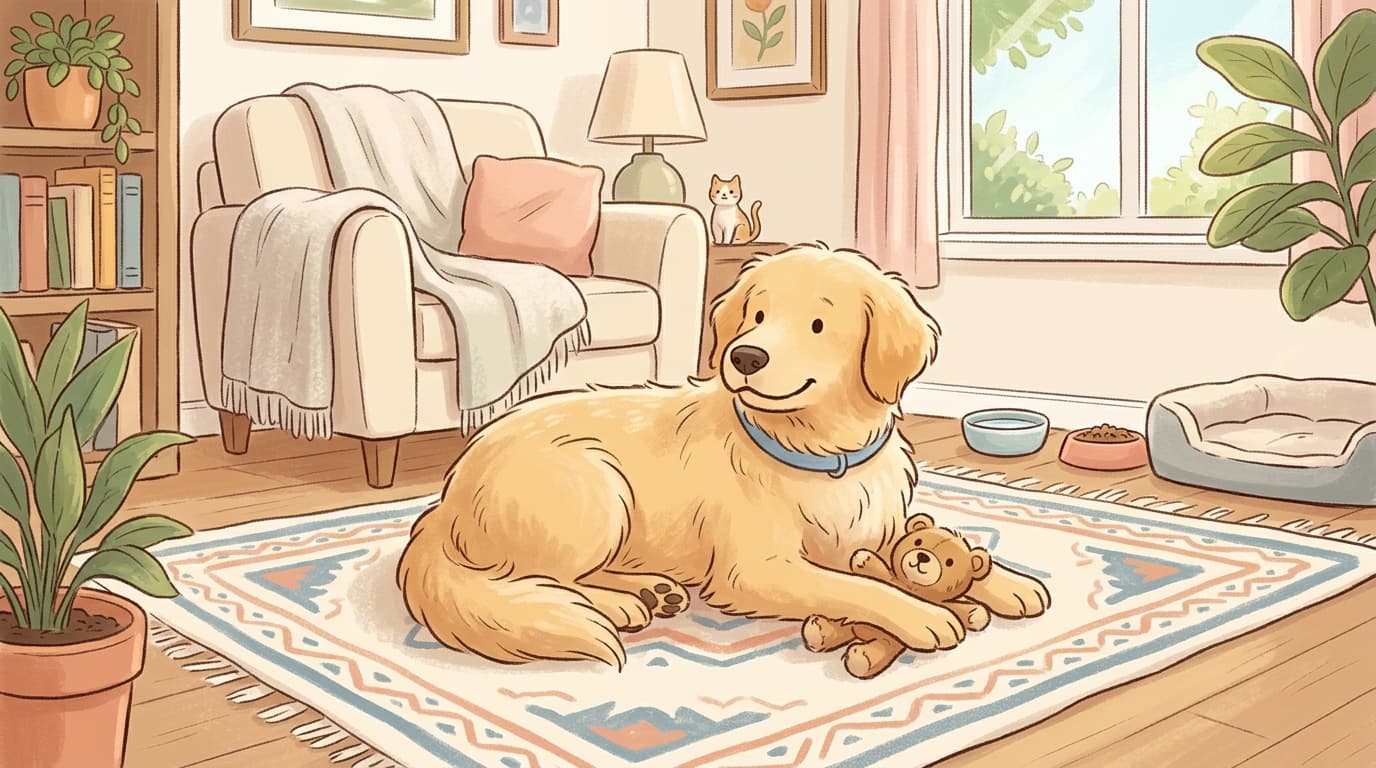
№ 68Stop accidental panic triggers with a calm exit routine, grounding touch, scent tricks, and smarter sound, windows, and returns.
 № 69
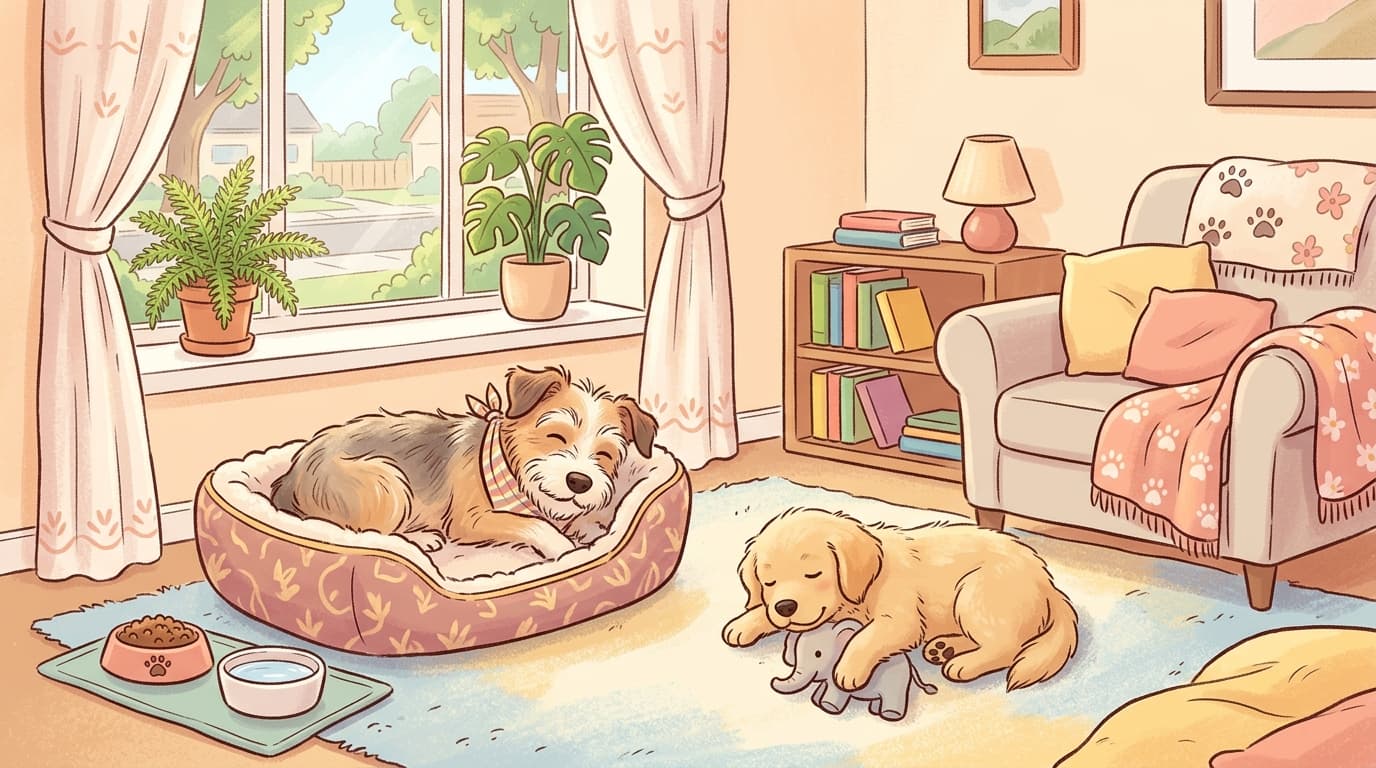
№ 69Feel guilty leaving your dog home alone? Try simple routines, enrichment toys, and pre-leave walks to keep your dog calm and content.
 № 70
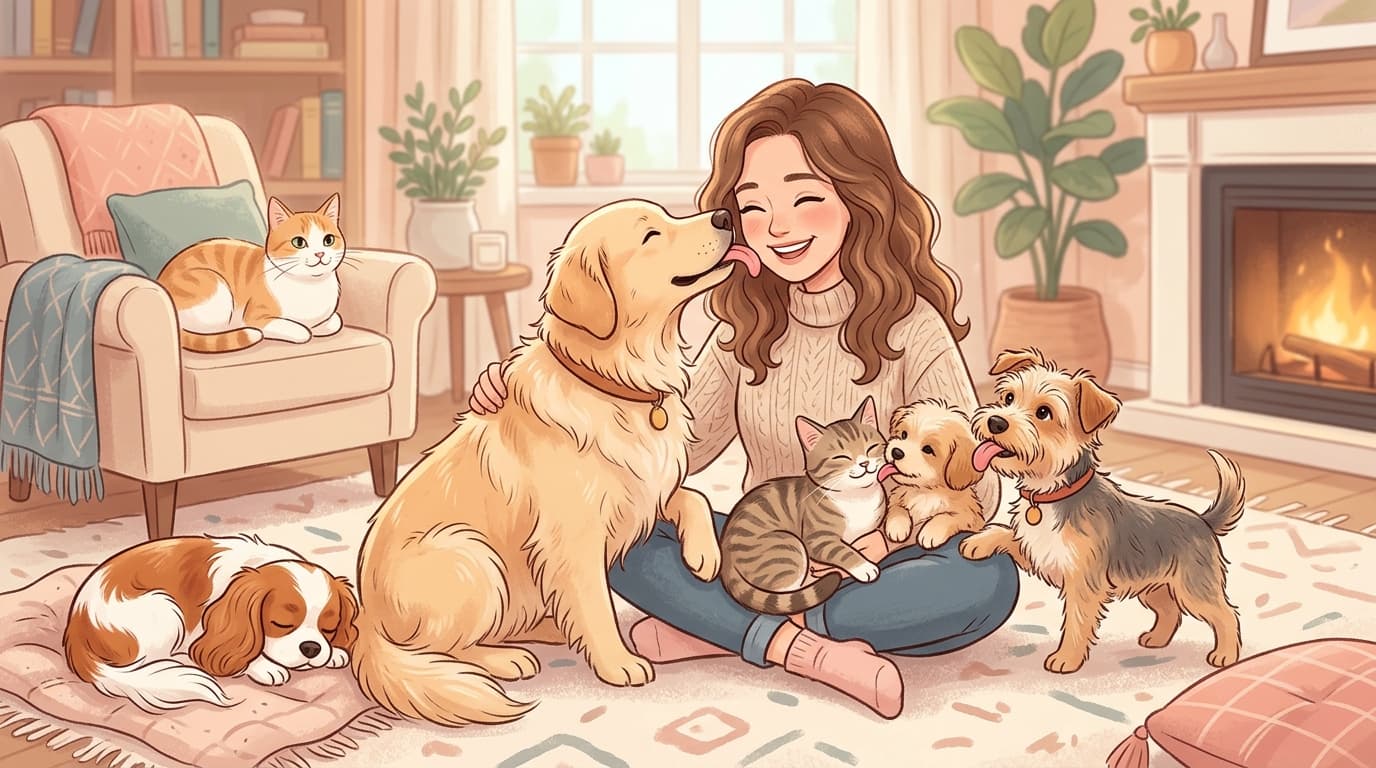
№ 70Dog licking isn’t “just a habit.” Learn what different licks mean—bonding, scent, comfort, and the quiet ways dogs say “you’re safe.”
 № 71
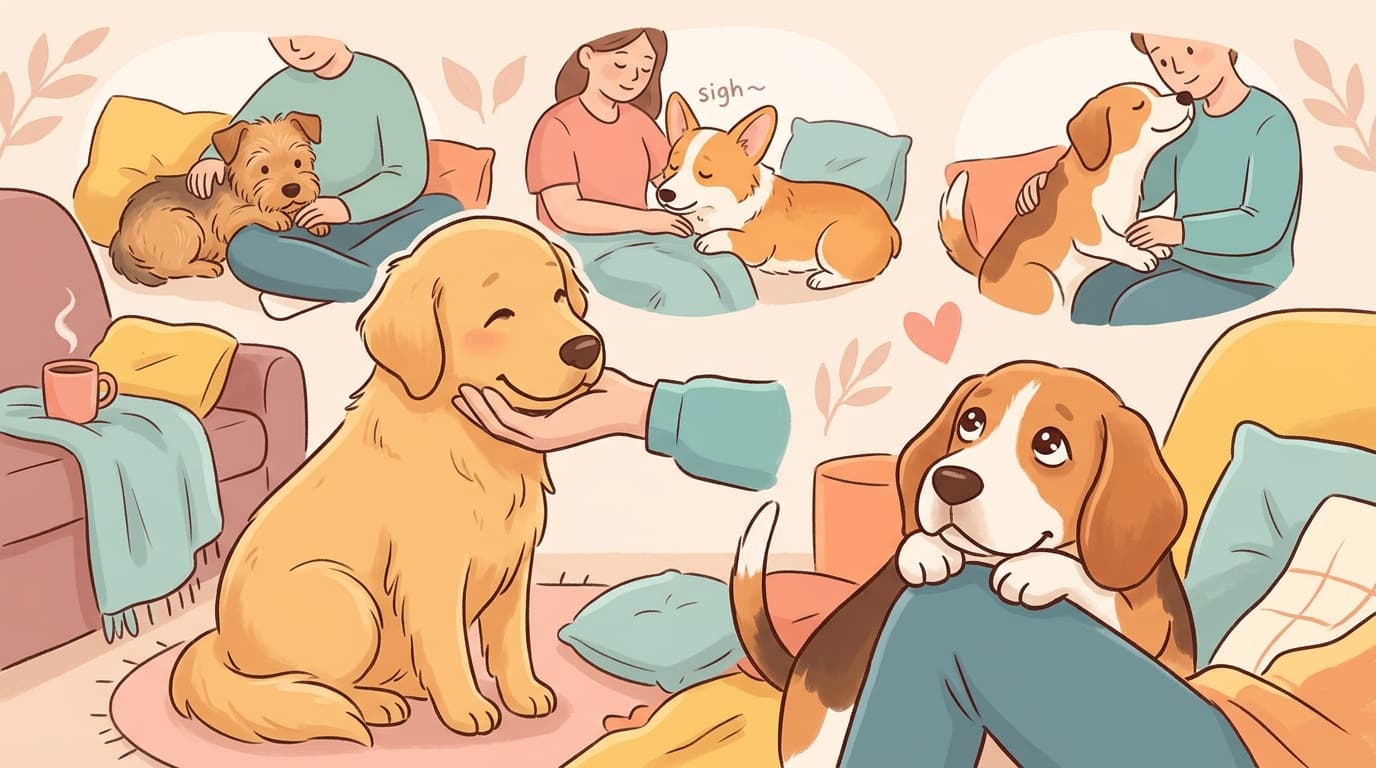
№ 71From choosing you in a crowd to comforting tears, these 7 behaviors show how your dog loves you in ways humans rarely do.
 № 72
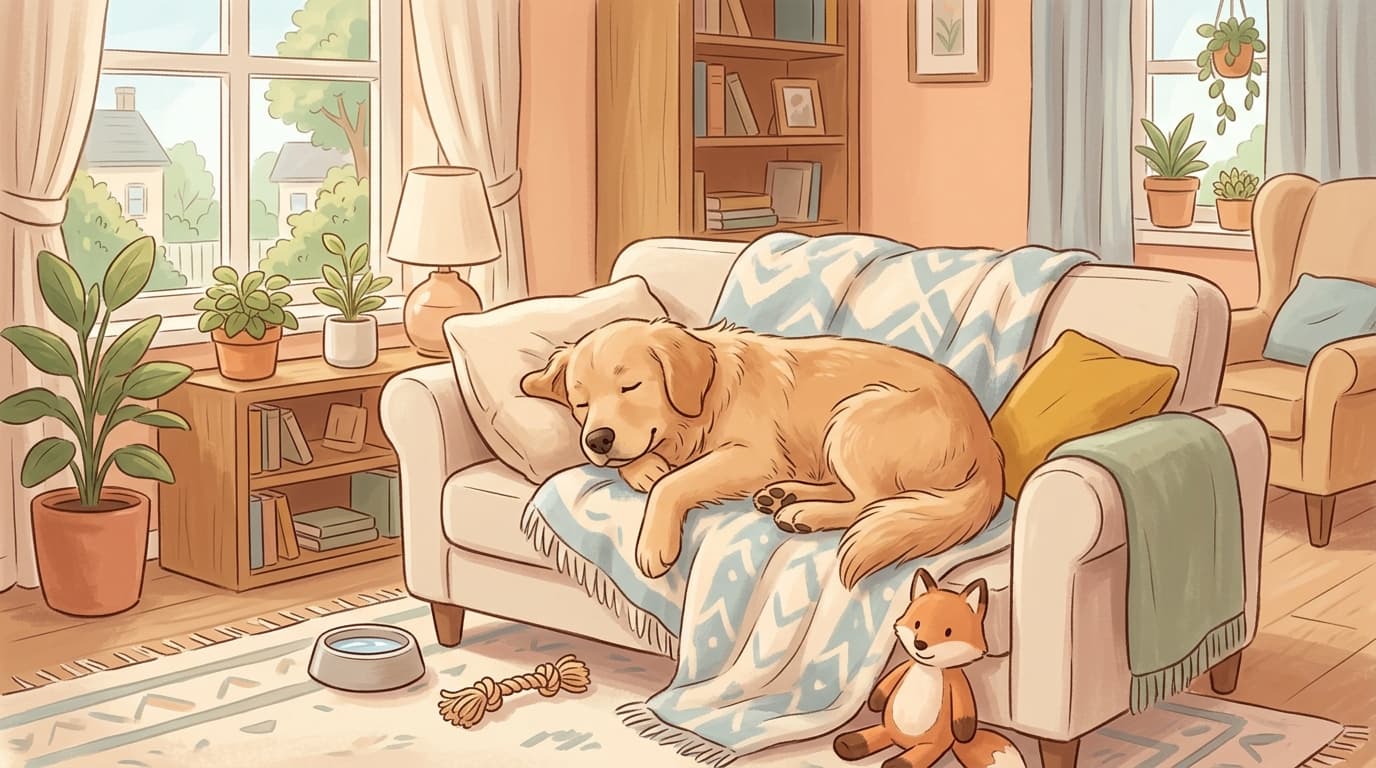
№ 72Simple, science-backed leaving routines that reduce stress: skip emotional goodbyes, use grounding touch, and match rituals to short vs long absences.