
 № 13
№ 13Why Your Cat Doesn’t Experience Petting Like You Think (And How to Touch Them the Way They Prefer)
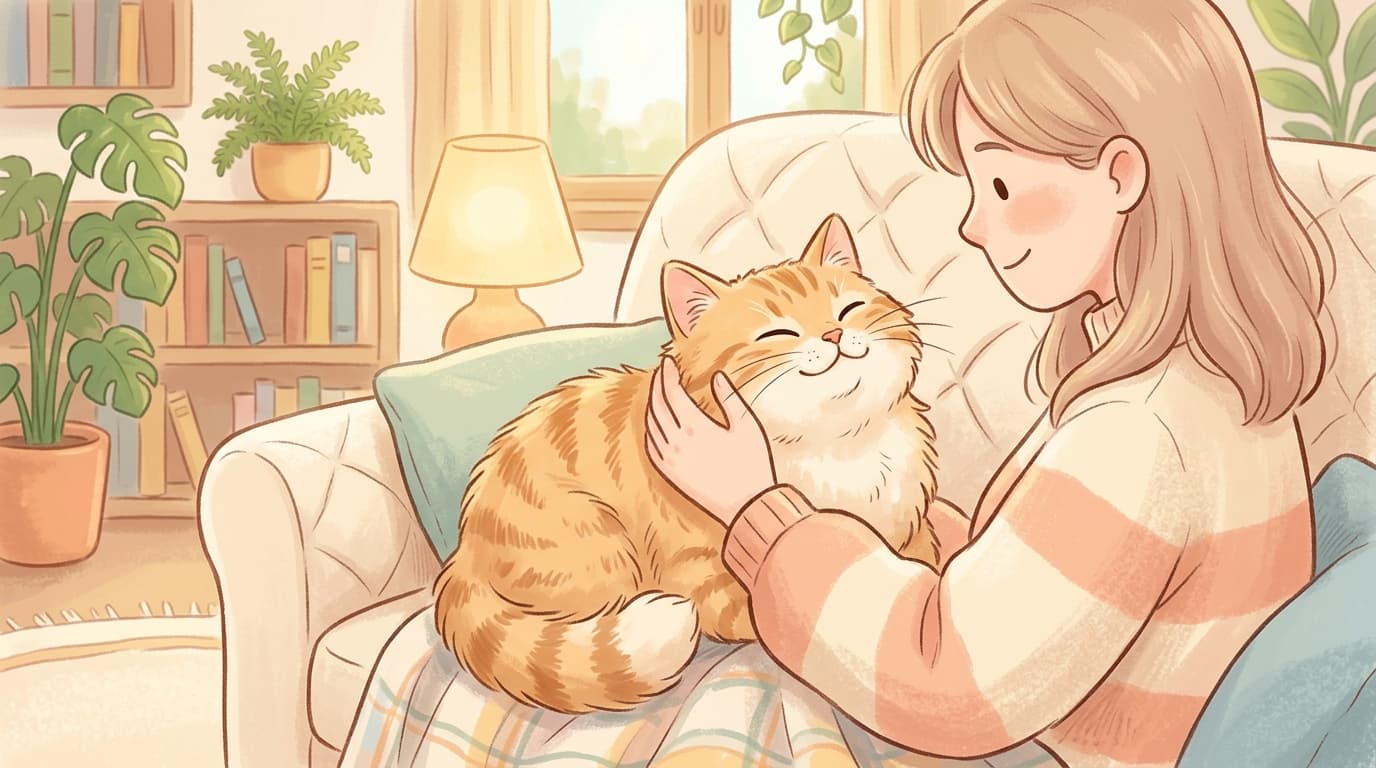
Your cat reads petting as scent-sharing and stimulation. Learn where to touch, when to stop, and how to let your cat lead contact.
5 min read
§ Index
№ 13Your cat reads petting as scent-sharing and stimulation. Learn where to touch, when to stop, and how to let your cat lead contact.
 № 14
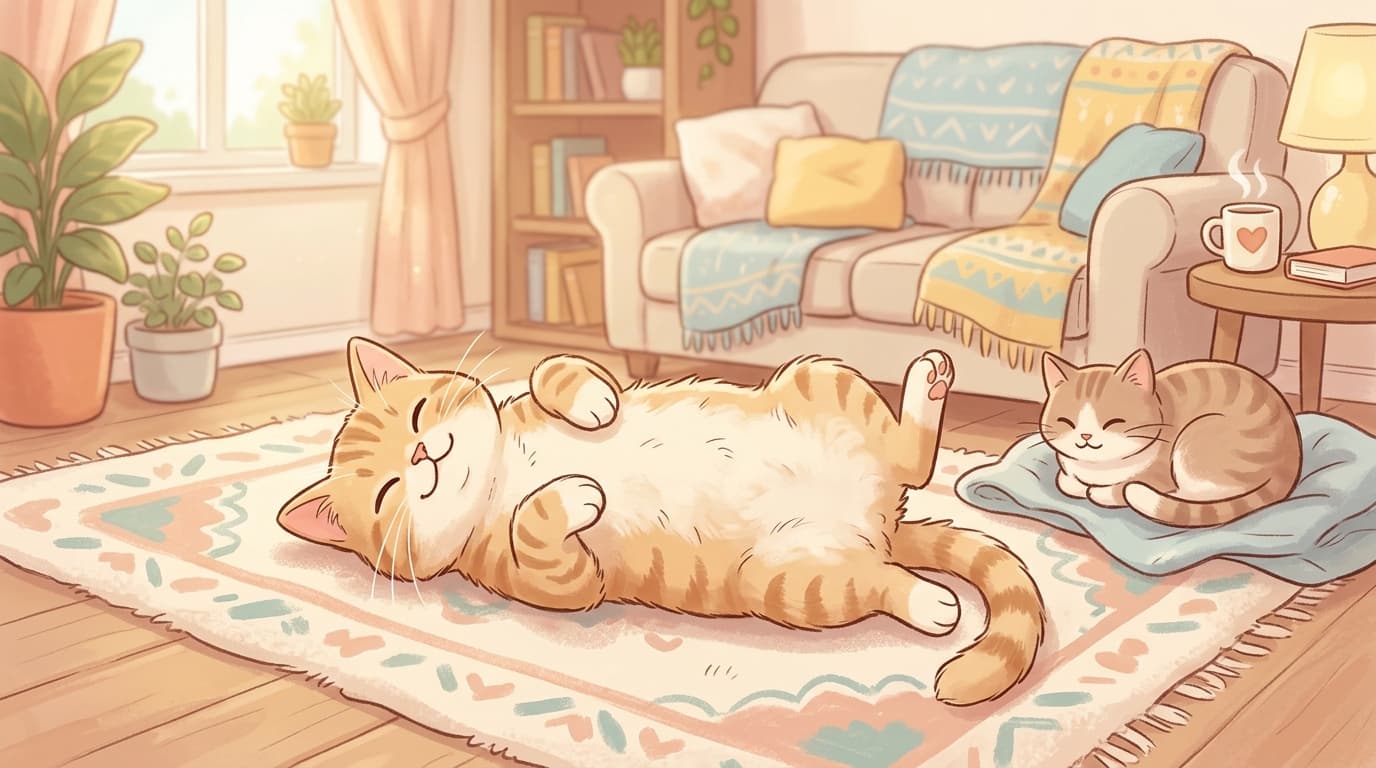
№ 14A cat belly display can mean trust, stress, or cooling off. Learn the body language signs so you don’t get scratched.
 № 15
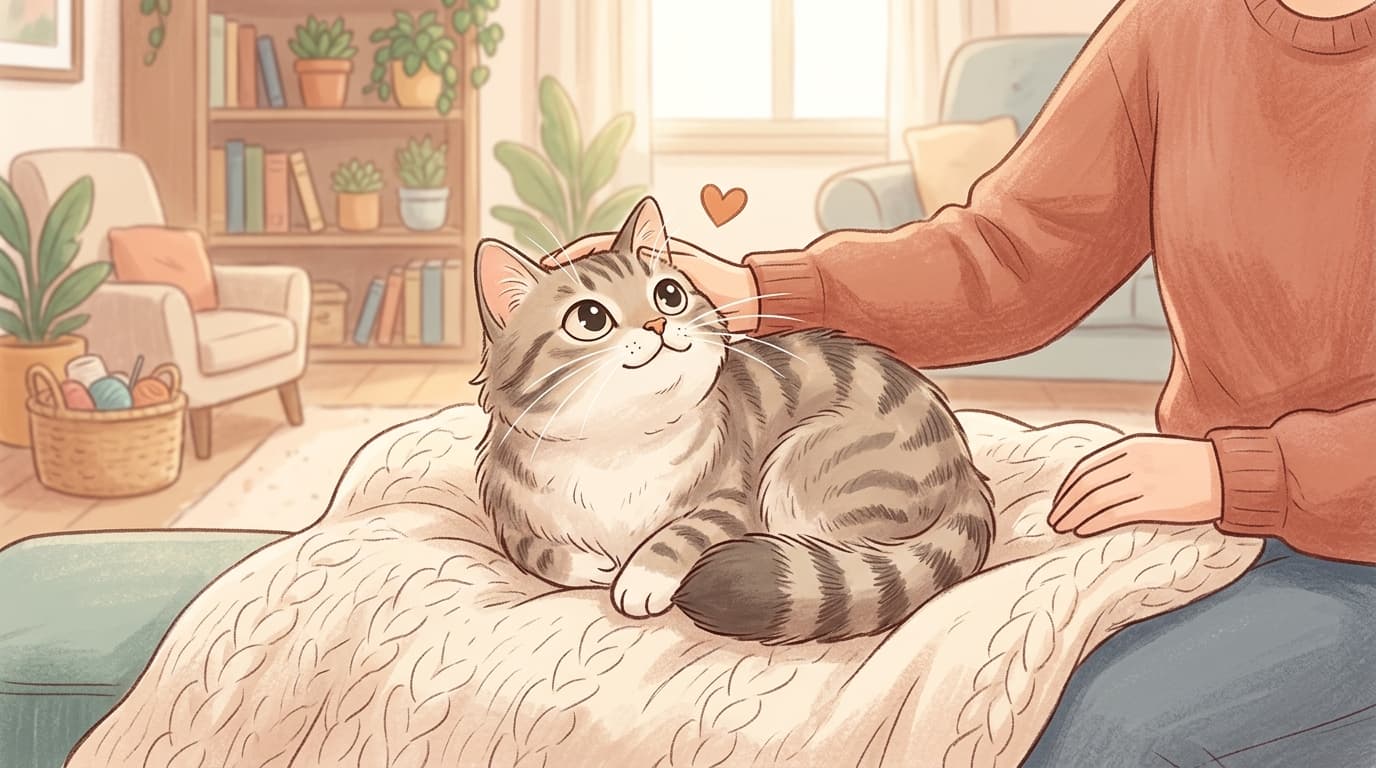
№ 15Cats don’t see you as a big clumsy cat. To them, you’re a steady source of safety, scent-family, and predictable comfort.
 № 16
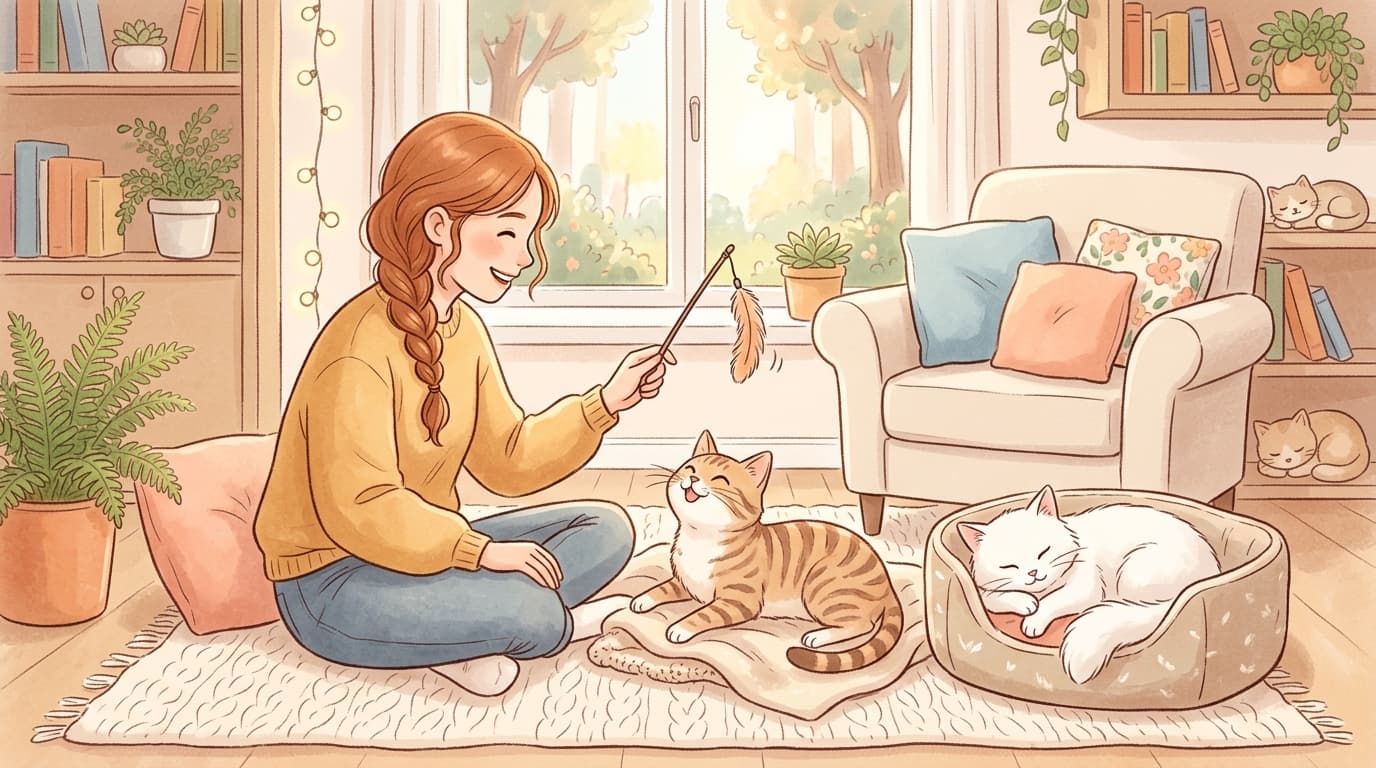
№ 16From forced hugs to strong scents, these common habits can damage trust. Fix them and your cat will feel safer around you.
 № 17
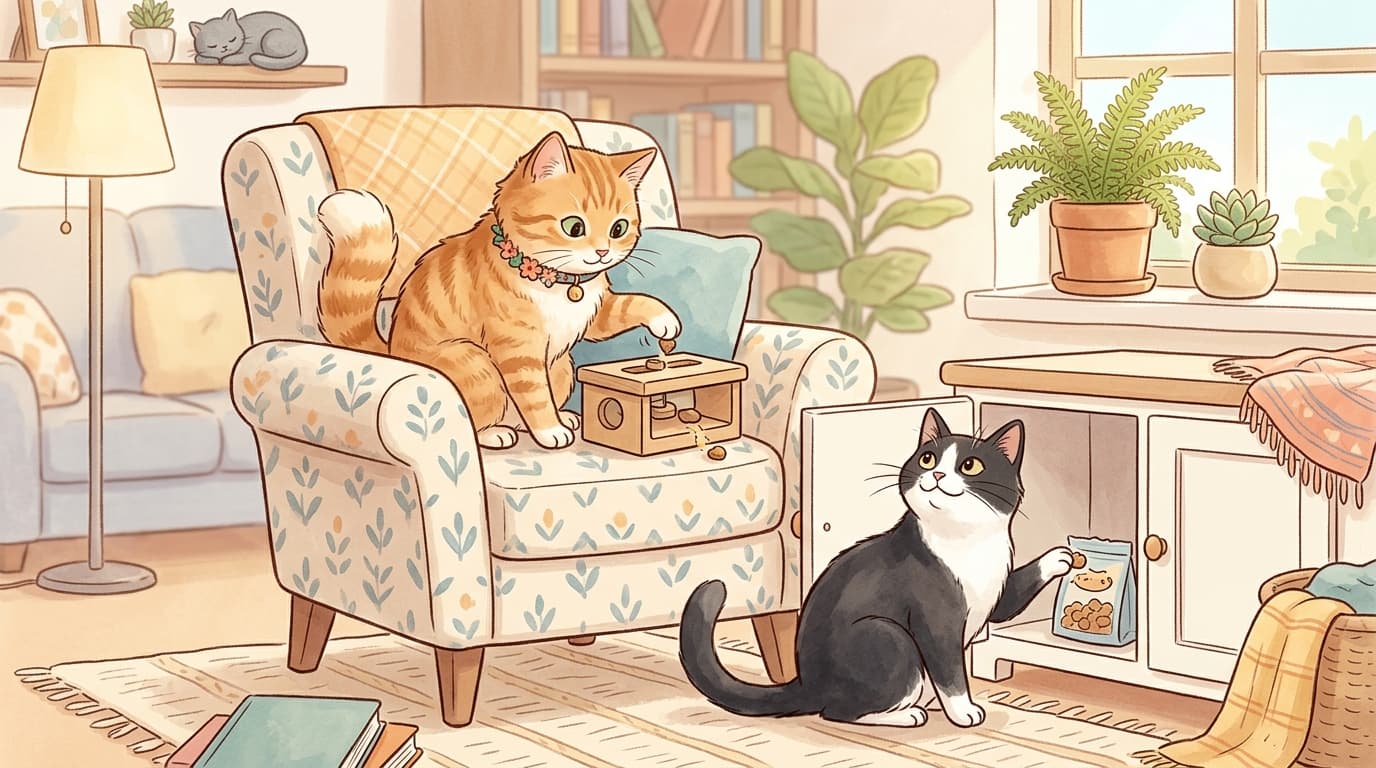
№ 17From “training” you to reading your mood, these 11 signs reveal your cat’s intelligence in everyday life.
 № 18
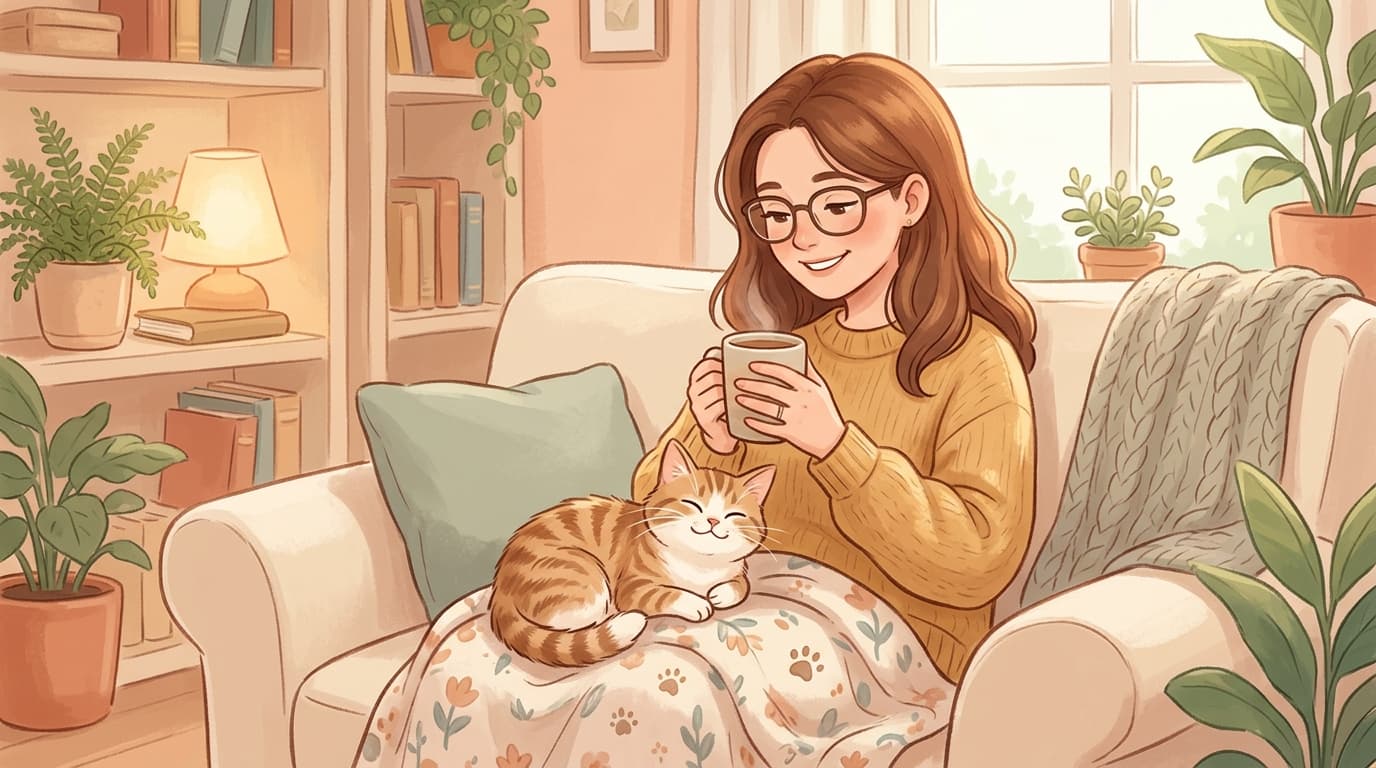
№ 18Your cat doesn’t see a “human owner.” Learn what you represent to your cat—and the small signals that build real trust.
 № 19
№ 19Cats may not recognize your face like you expect, but they remember your scent, voice, routines, and more—here are 6 things they never forget.
 № 20
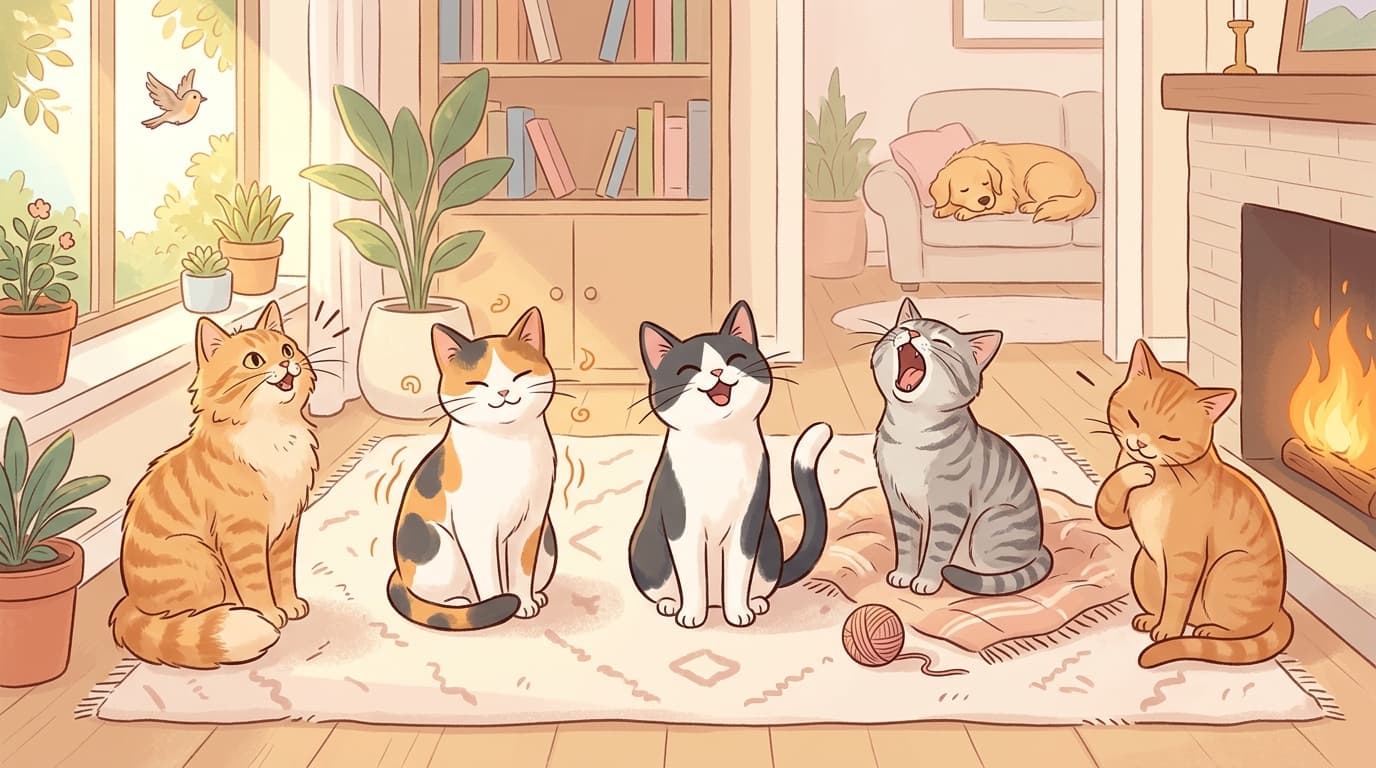
№ 20Learn what common cat sounds mean—chattering, purring, trilling, meowing, hissing, chirping, and howling—so you can respond better.
 № 21
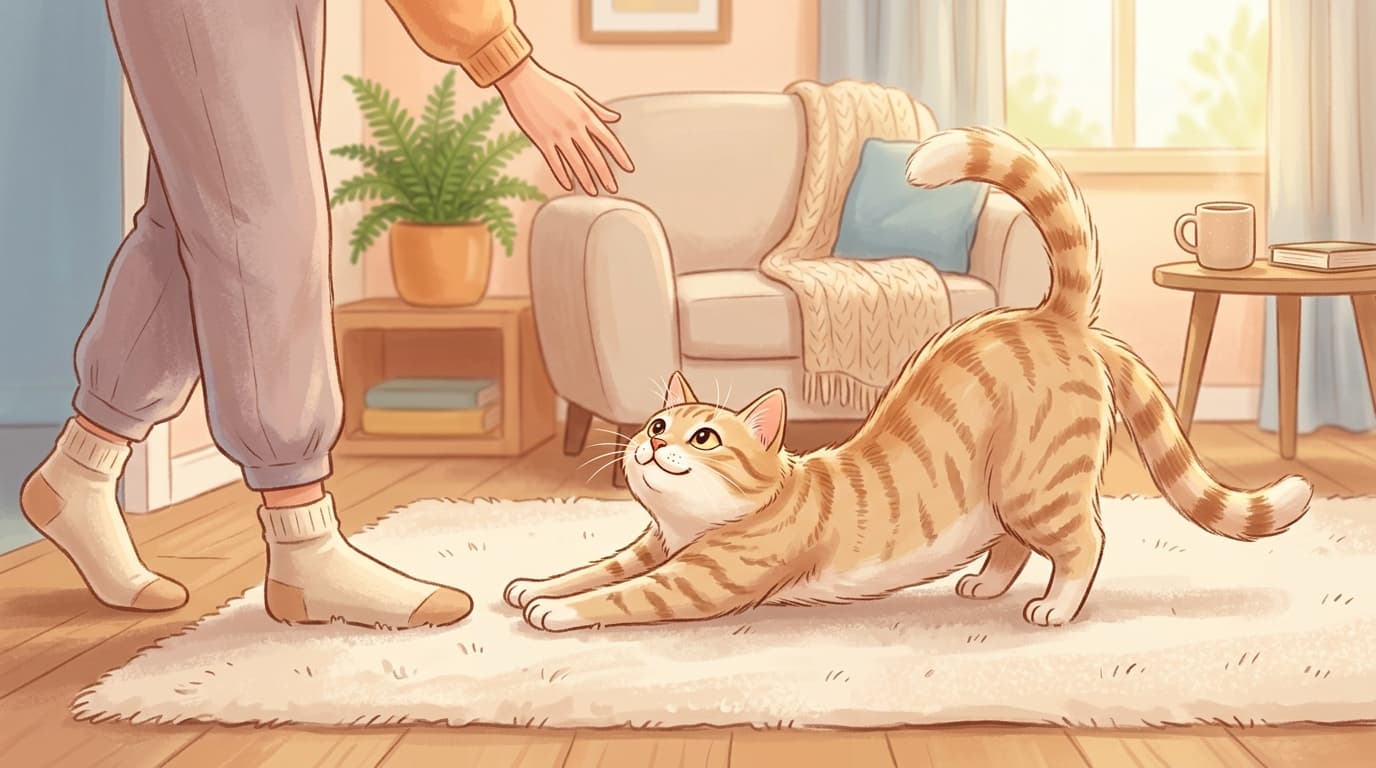
№ 21That big stretch when you walk in isn’t random. Learn what your cat is communicating, why they do it to you, and what it means if they don’t.
 № 22
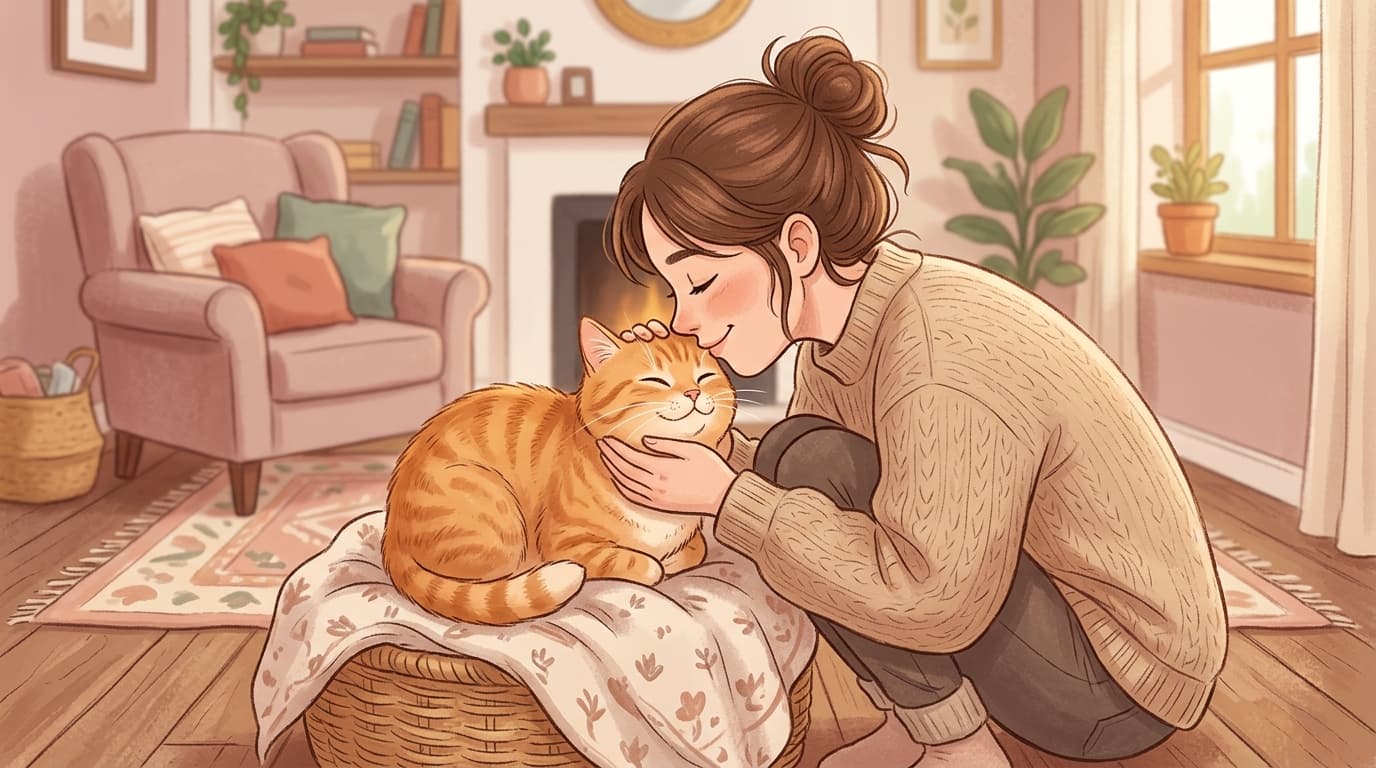
№ 22A cat doesn’t interpret kisses like humans do. Here’s what your face-to-fur “kiss” really communicates—and why some cats pull away.
 № 23
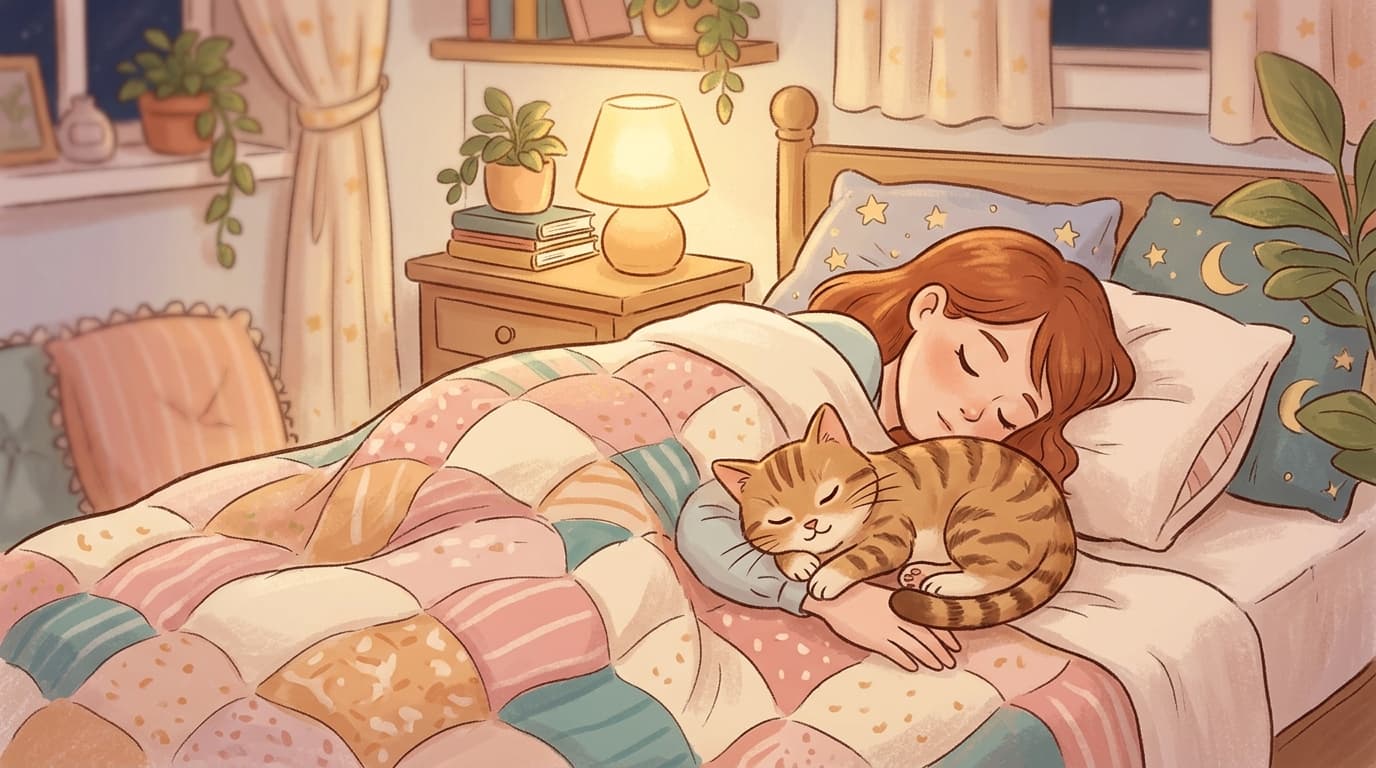
№ 23Cats don’t share your bed just for warmth. Learn what it means, what sleep positions say, and why a sudden change deserves attention.
 № 24
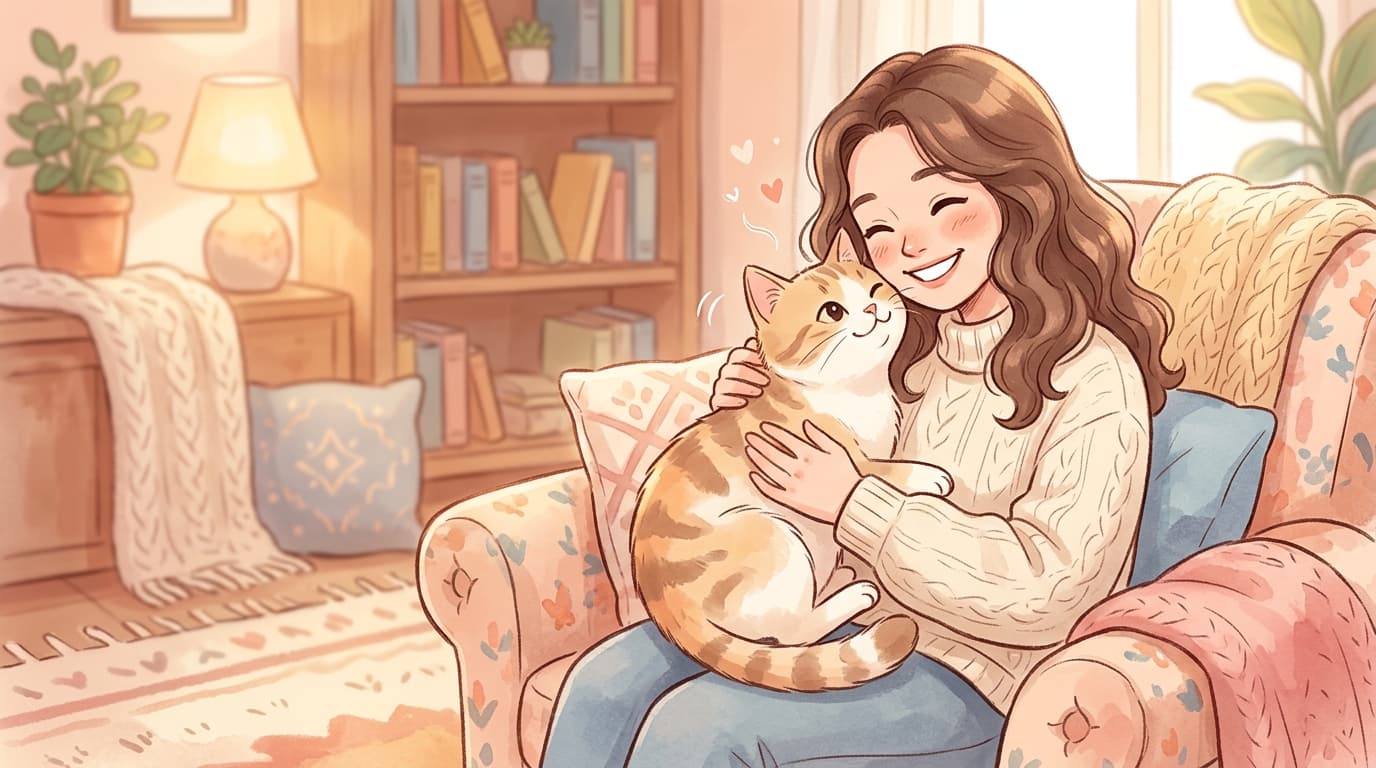
№ 24Cats do apologize—just quietly. Learn 6 subtle “sorry” signals (and how to respond) after tension with your cat.