
 № 37
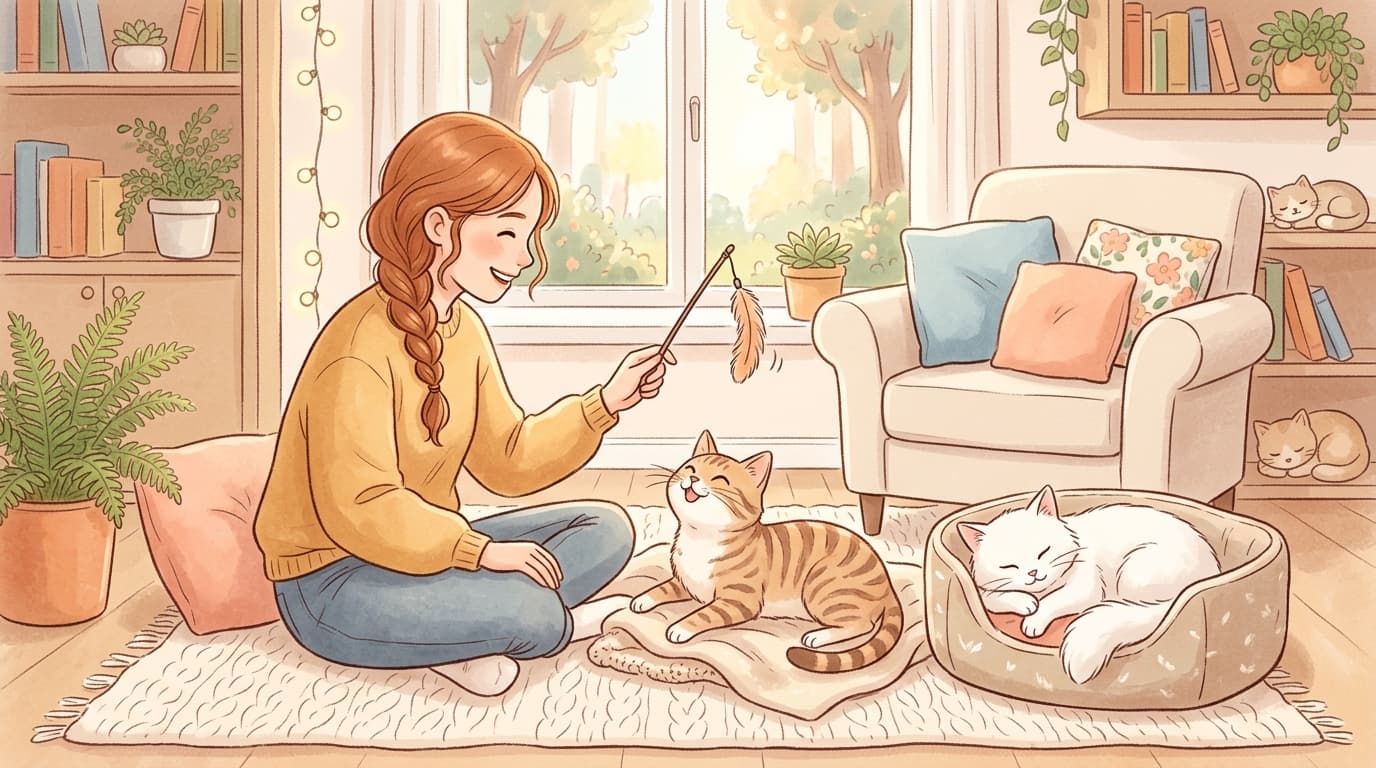
№ 375 Everyday Mistakes That Push Your Cat Away (And What to Do Instead)
From forced hugs to strong scents, these common habits can damage trust. Fix them and your cat will feel safer around you.
4 min read
§ Index
№ 37From forced hugs to strong scents, these common habits can damage trust. Fix them and your cat will feel safer around you.
 № 38
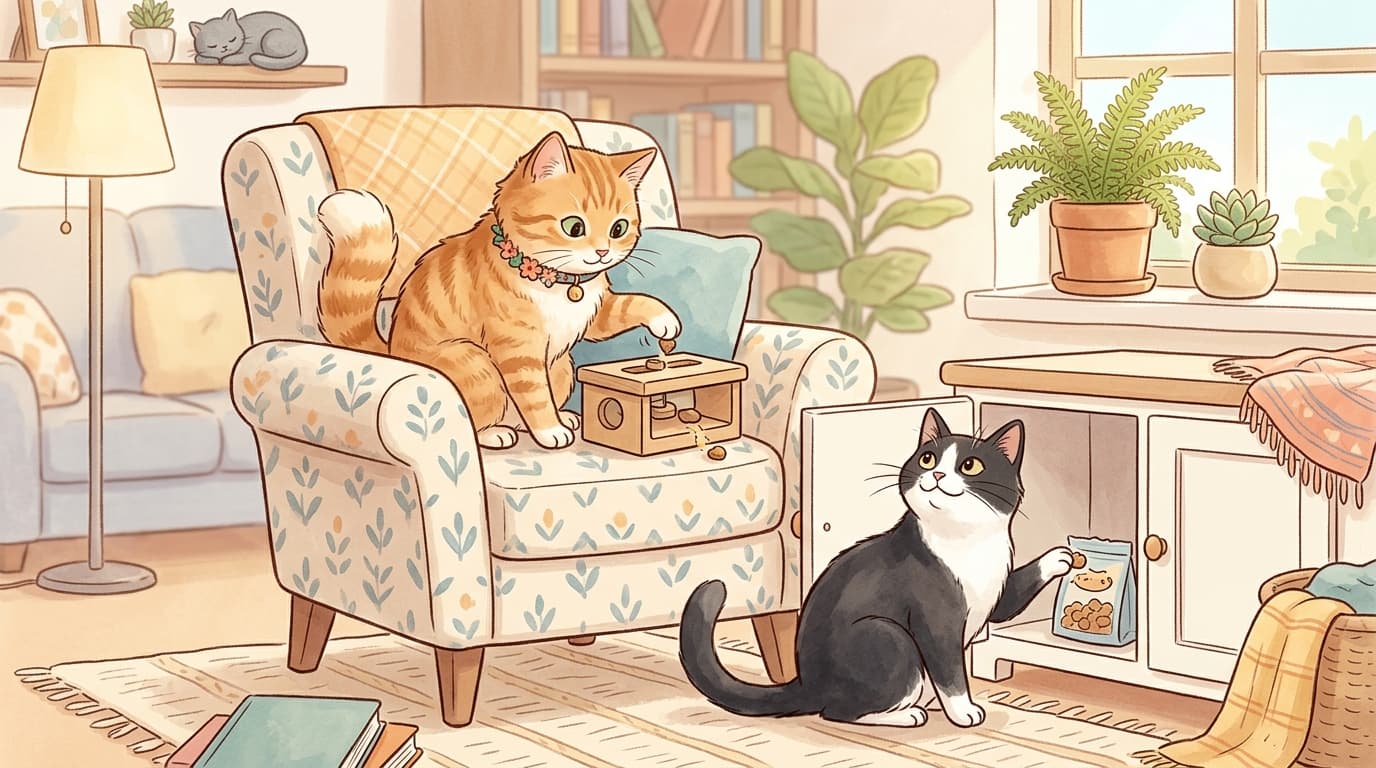
№ 38From “training” you to reading your mood, these 11 signs reveal your cat’s intelligence in everyday life.
 № 39
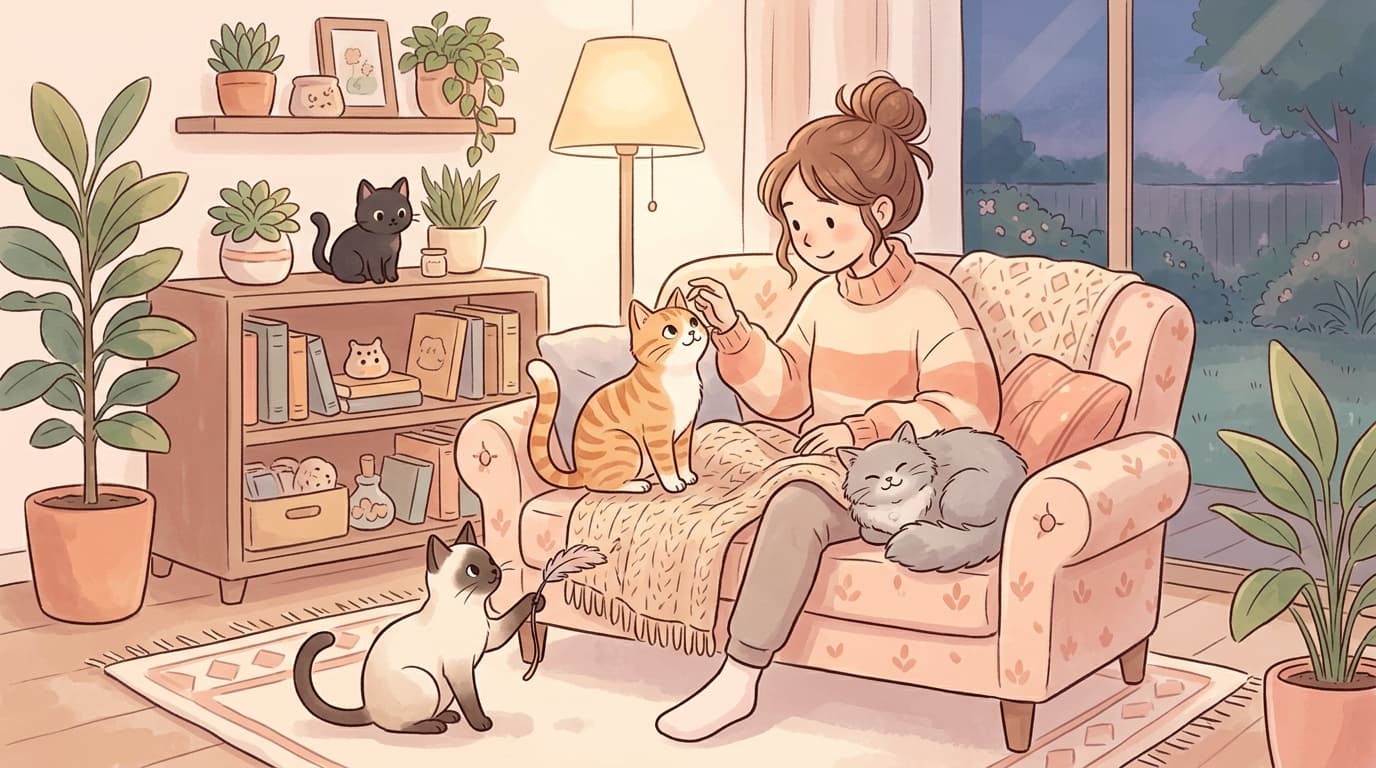
№ 39From strong scents to ignoring them at the door, these daily habits can stress your cat. Simple tweaks can rebuild trust fast.
 № 40
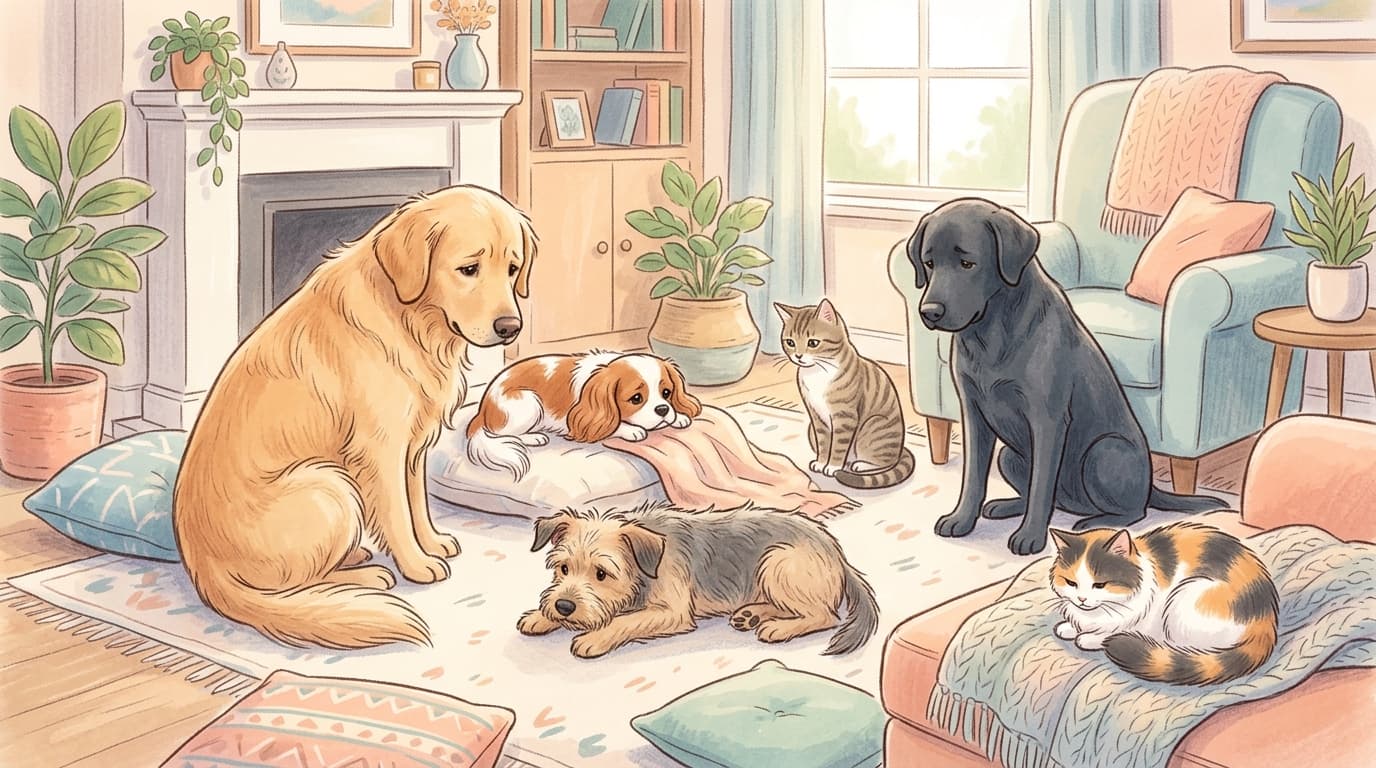
№ 40From a droopy tail to skipping playtime, learn 8 quiet signs your dog may be feeling sad—and how to respond with support.
 № 41
№ 41From puppy-dog eyes to the oxytocin gaze loop, science explains why your dog’s bond with you can feel like fate.
 № 42
№ 42Use this simple pre-departure routine to reduce dog separation anxiety with calmer cues, scent, sound, light, and a quiet exit.
 № 43
№ 43Your cat’s stare can mean affection, stress, a warning, or a request. Learn how to read the eyes, body language, and context.
 № 44
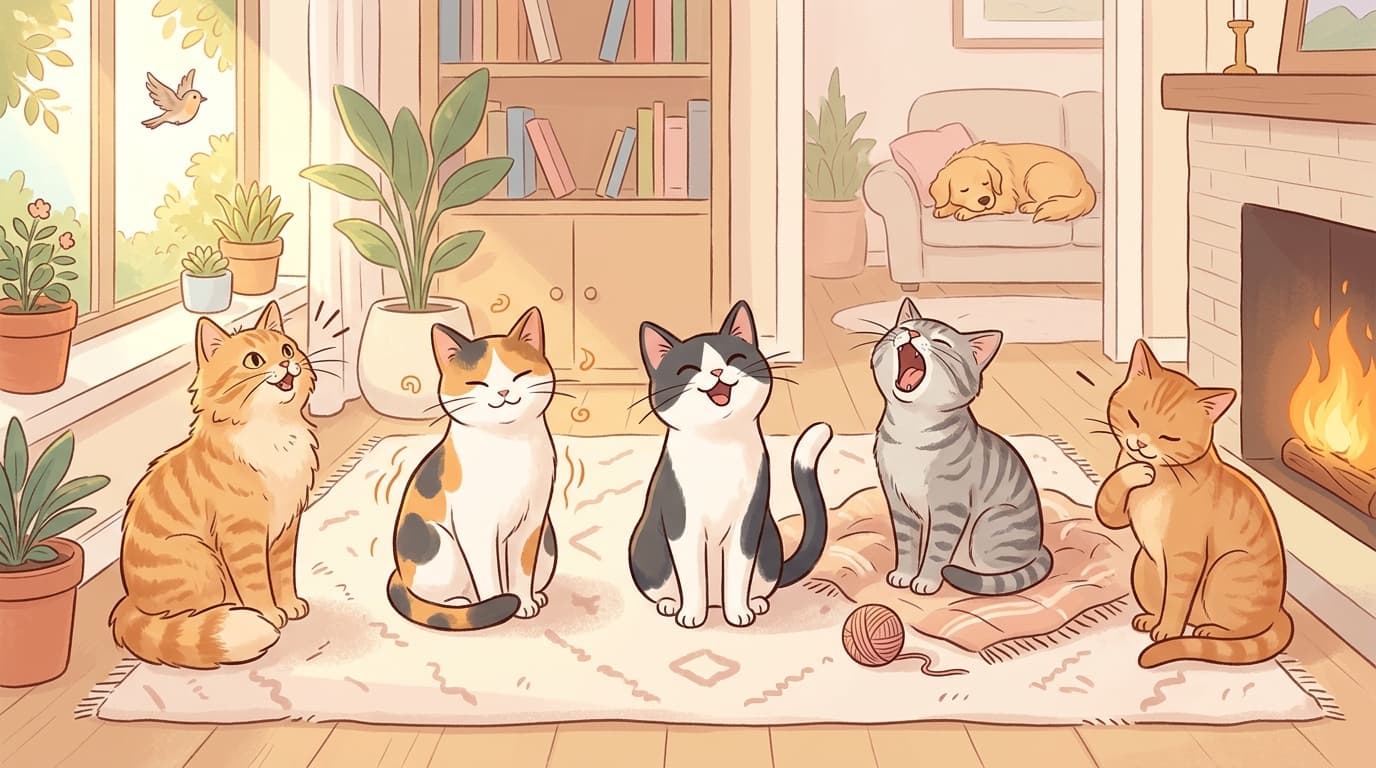
№ 44Learn what common cat sounds mean—chattering, purring, trilling, meowing, hissing, chirping, and howling—so you can respond better.
 № 45
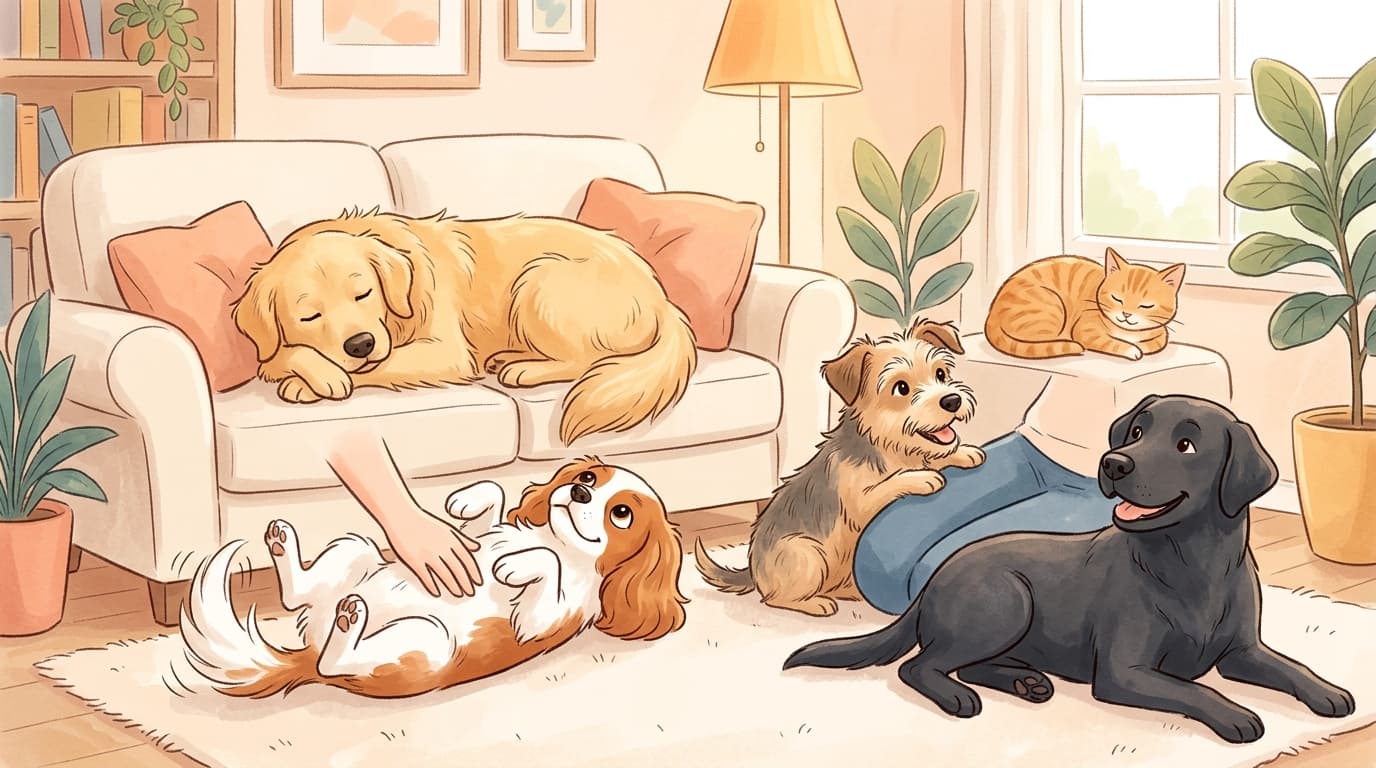
№ 45From right-leaning tail wags to tiny “check-in” glances, these subtle behaviors reveal when your dog feels happy, safe, and secure.
 № 46
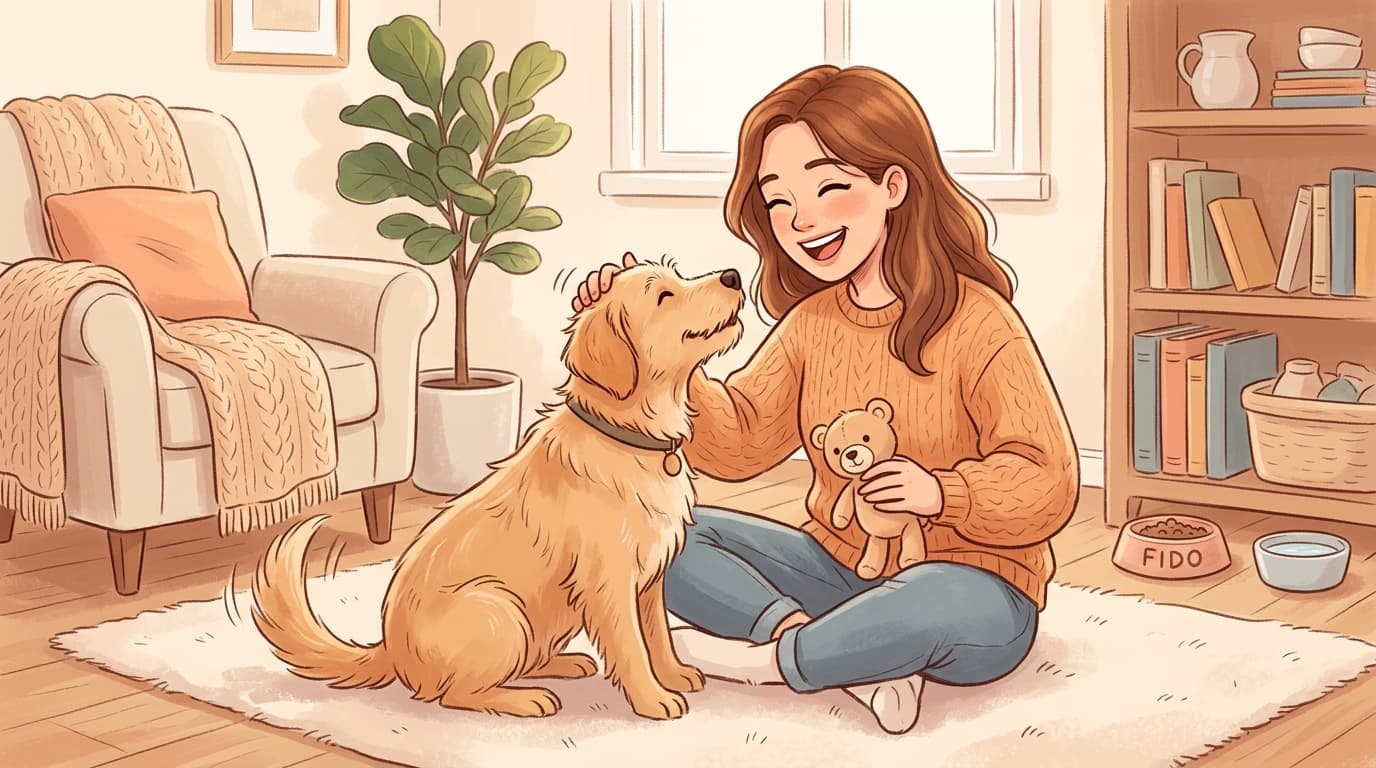
№ 46Your dog’s favorite person is the one who feels safest and most predictable. Use simple routines and a 90-second gaze ritual to deepen your bond.
 № 47
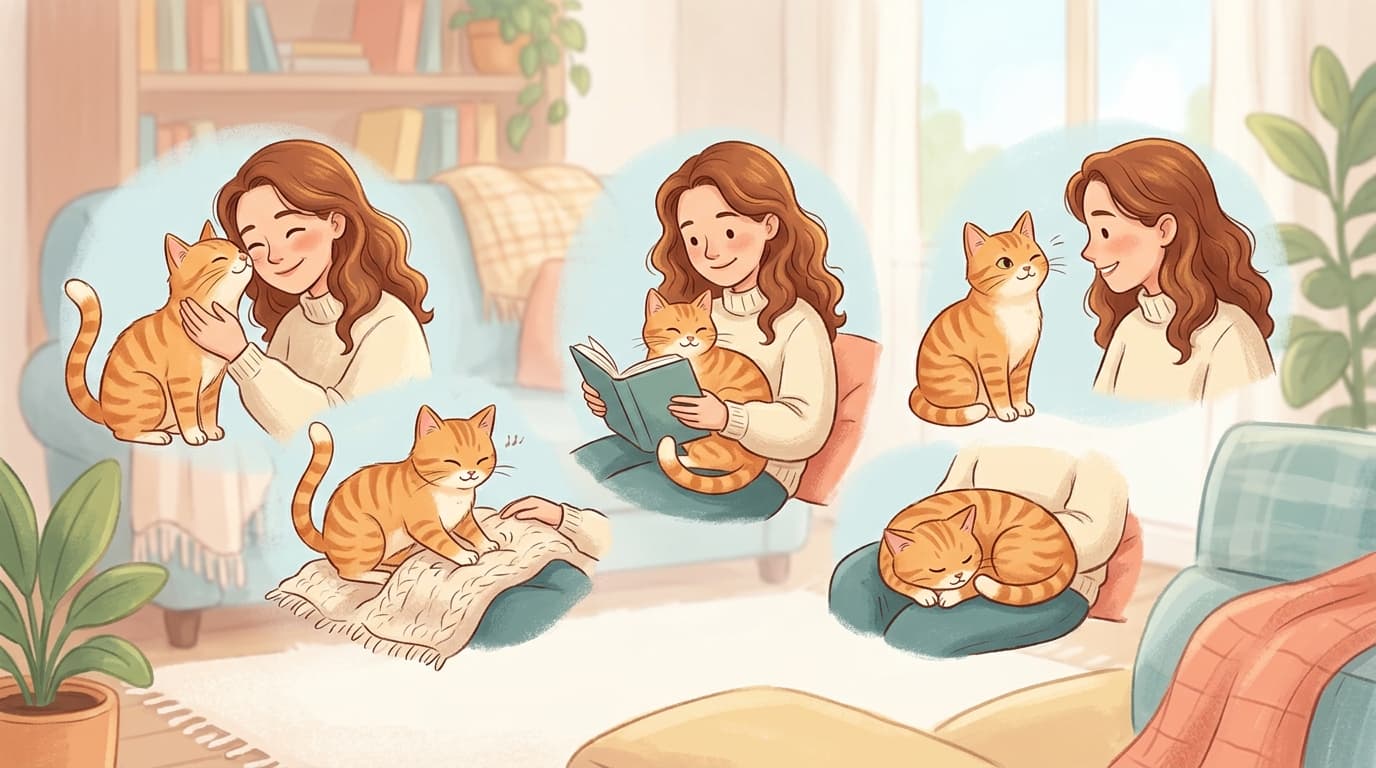
№ 47Your cat may be praising you in silence. Learn 5 subtle “cat compliments” that signal deep trust and a strong bond.
 № 48
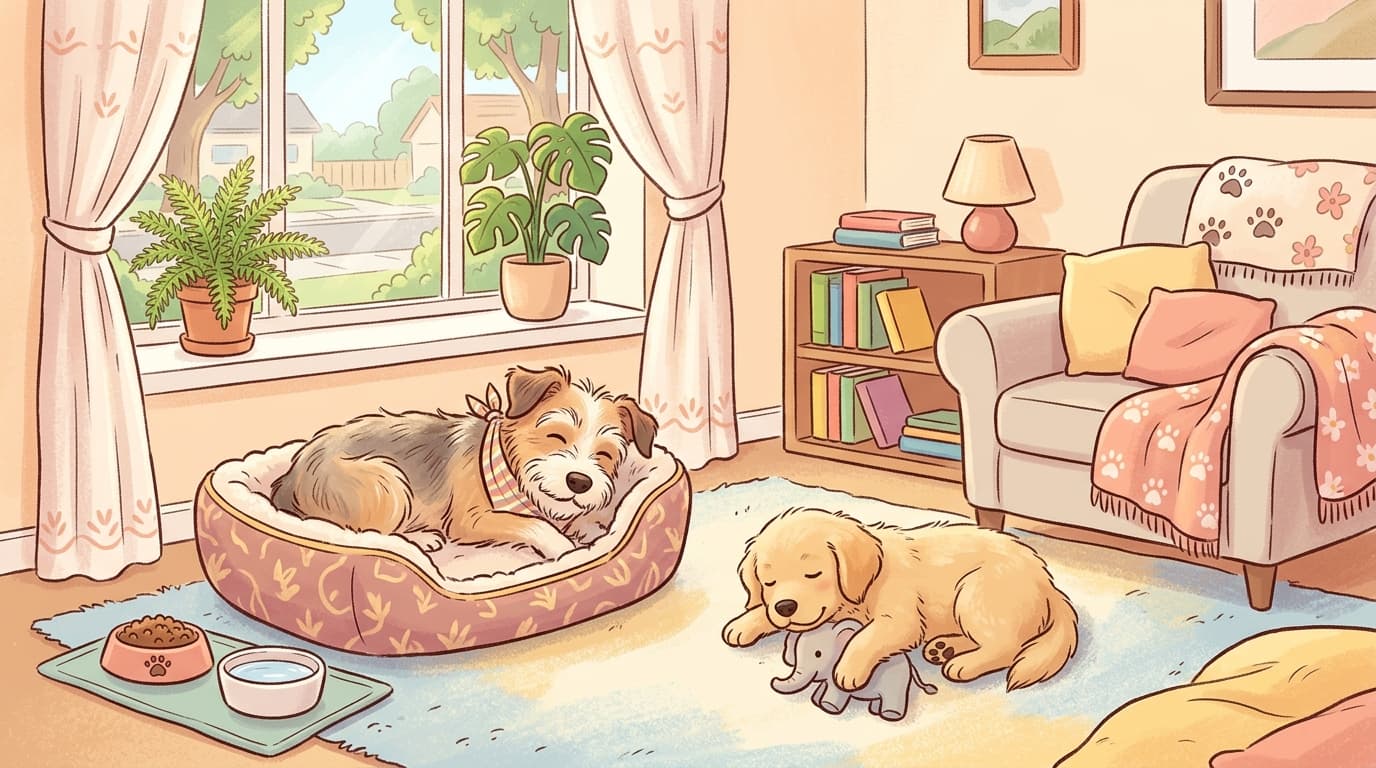
№ 48Feel guilty leaving your dog home alone? Try simple routines, enrichment toys, and pre-leave walks to keep your dog calm and content.