 № 25
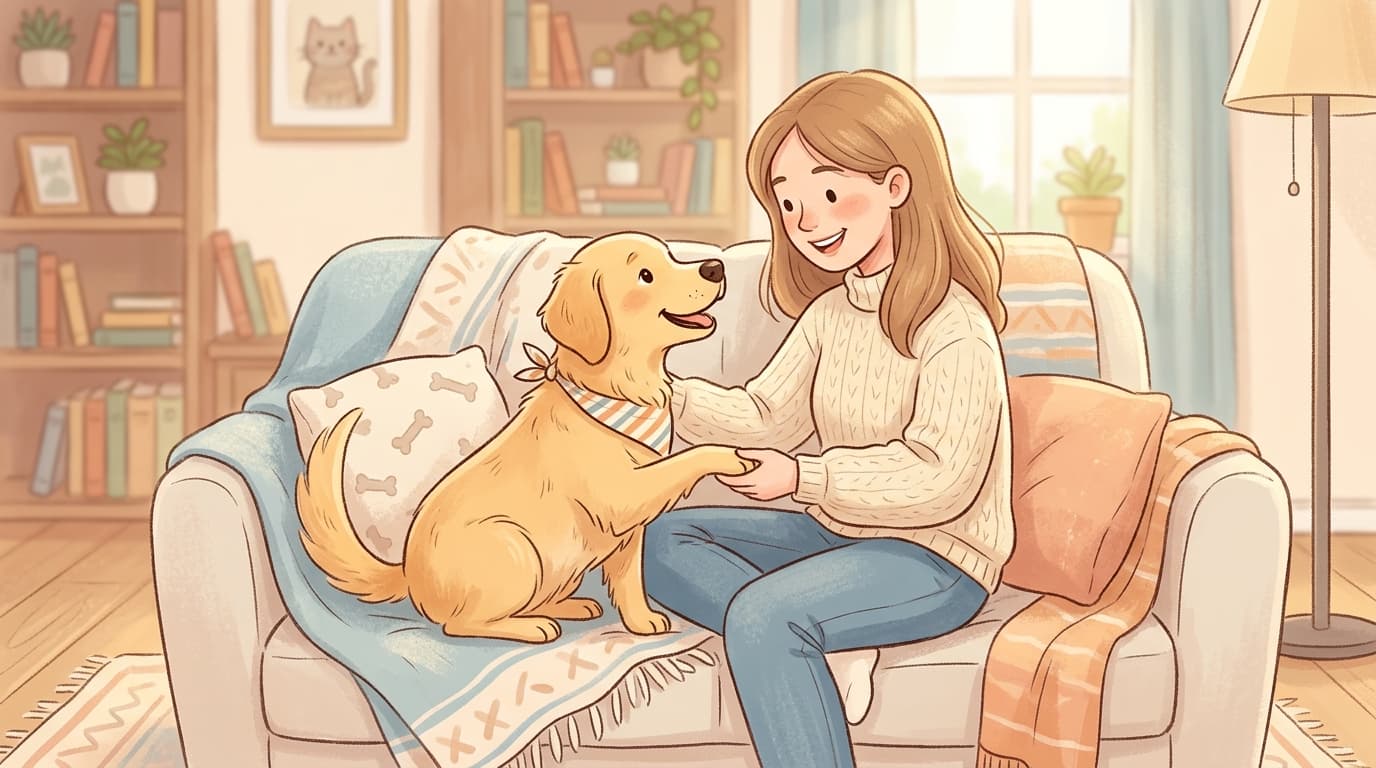
№ 25Dog Body Language Decoded: What It Really Means When Your Dog Puts a Paw on You
From the famous paw-on-you to leaning and sighing, learn what common dog behaviors really mean—and what your dog is trying to tell you.
6 min read
§ Index
№ 25From the famous paw-on-you to leaning and sighing, learn what common dog behaviors really mean—and what your dog is trying to tell you.
 № 26
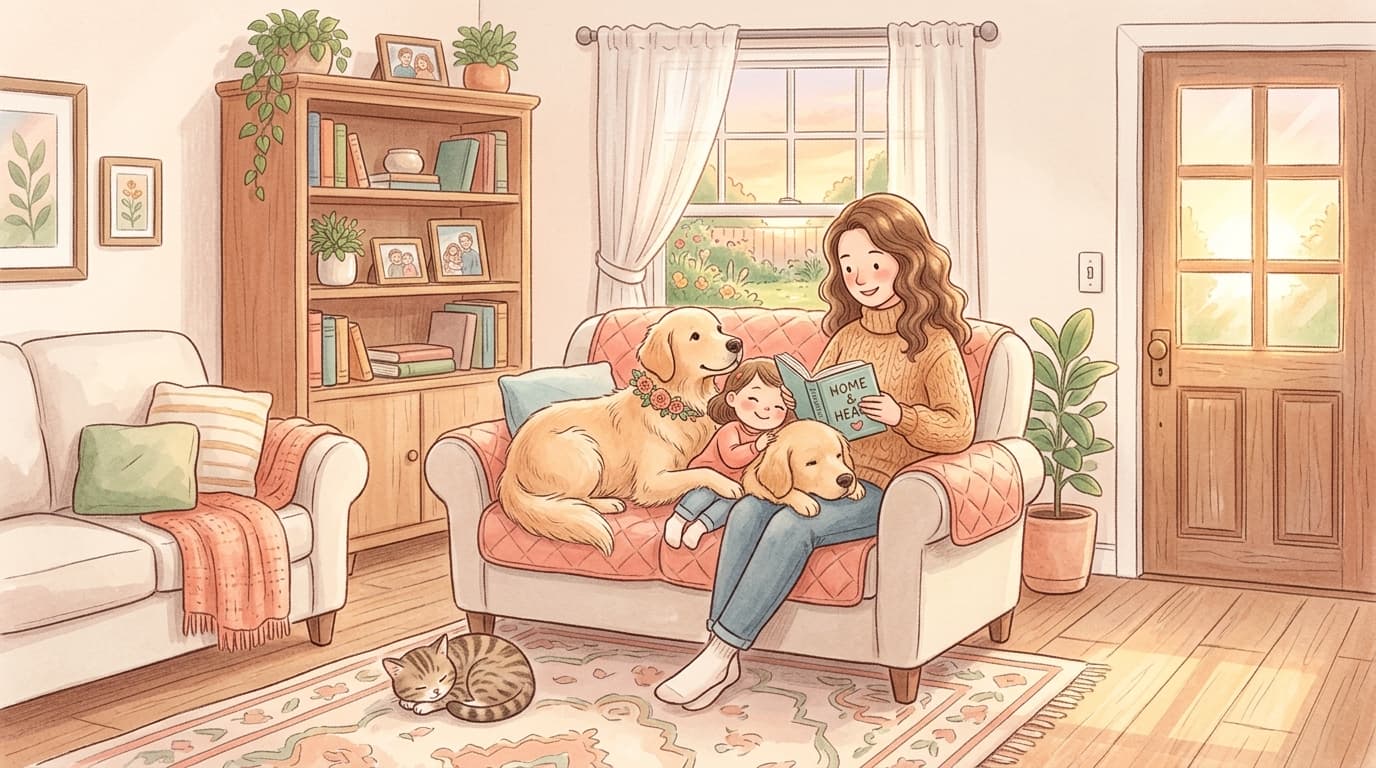
№ 26From body-blocking at the door to sensing stress, these female dog protective behaviors show how she keeps your family safe and close.
 № 27
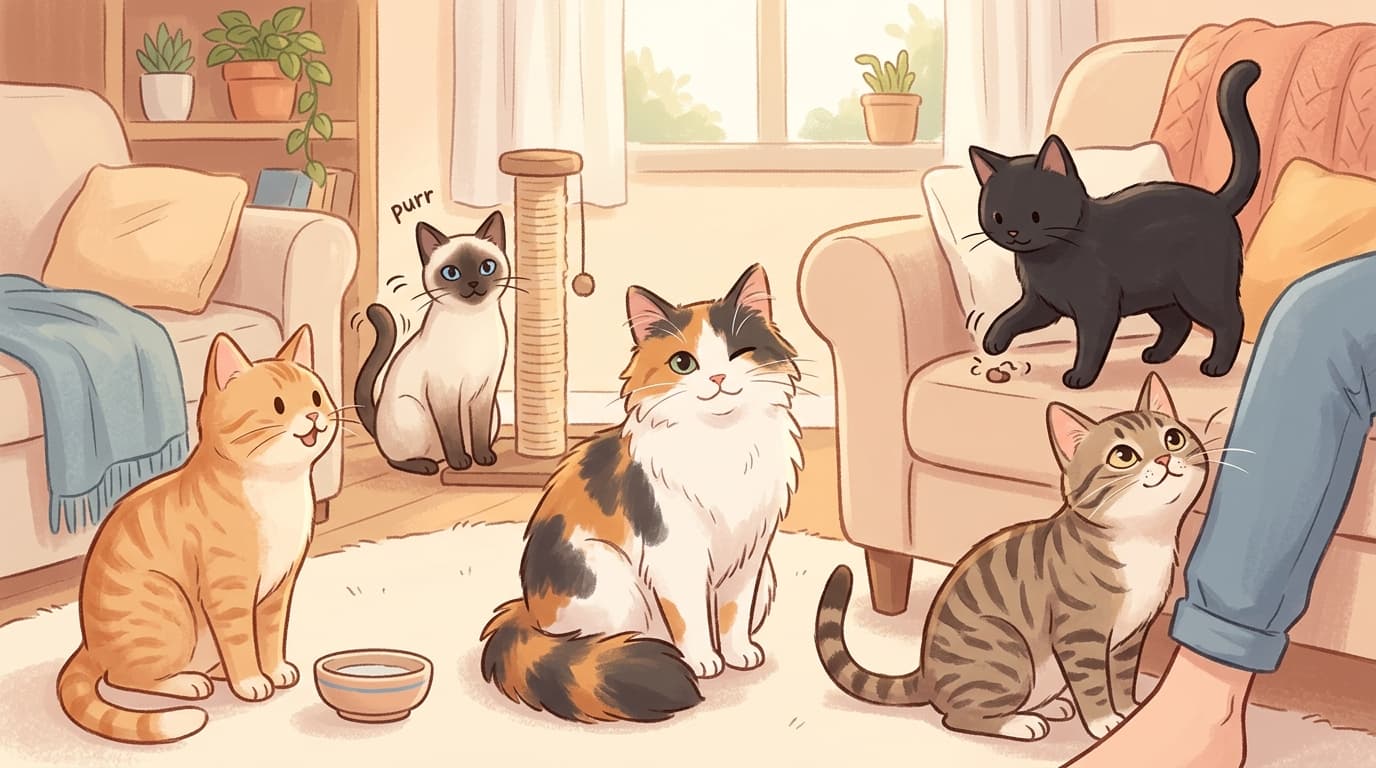
№ 27Cats do say “please”—with eye contact, meows, body rubs, and tiny routines. Learn the signals and what your cat wants.
 № 28
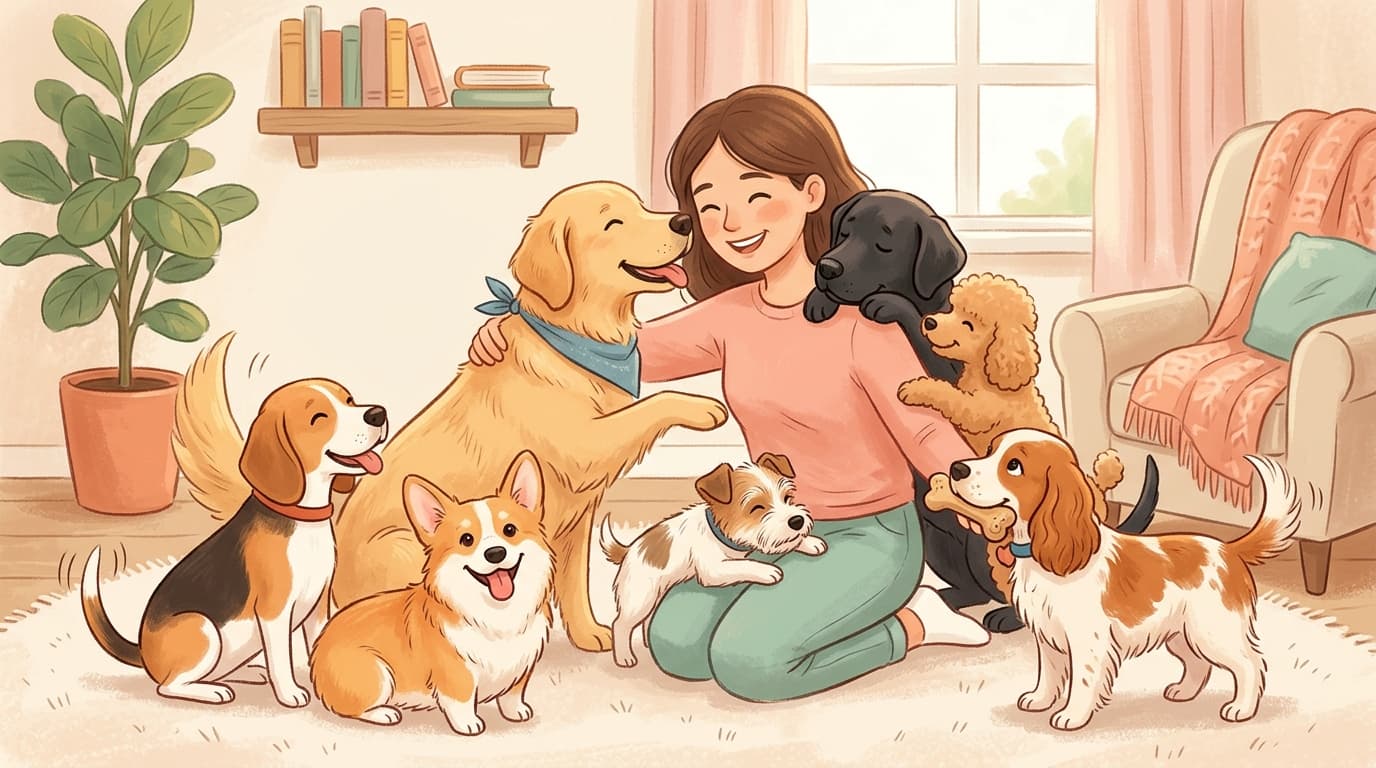
№ 28Your dog thanks you in quiet ways—gifts, soft eyes, leaning, and more. Here are 8 easy-to-miss signs of real appreciation.
 № 29
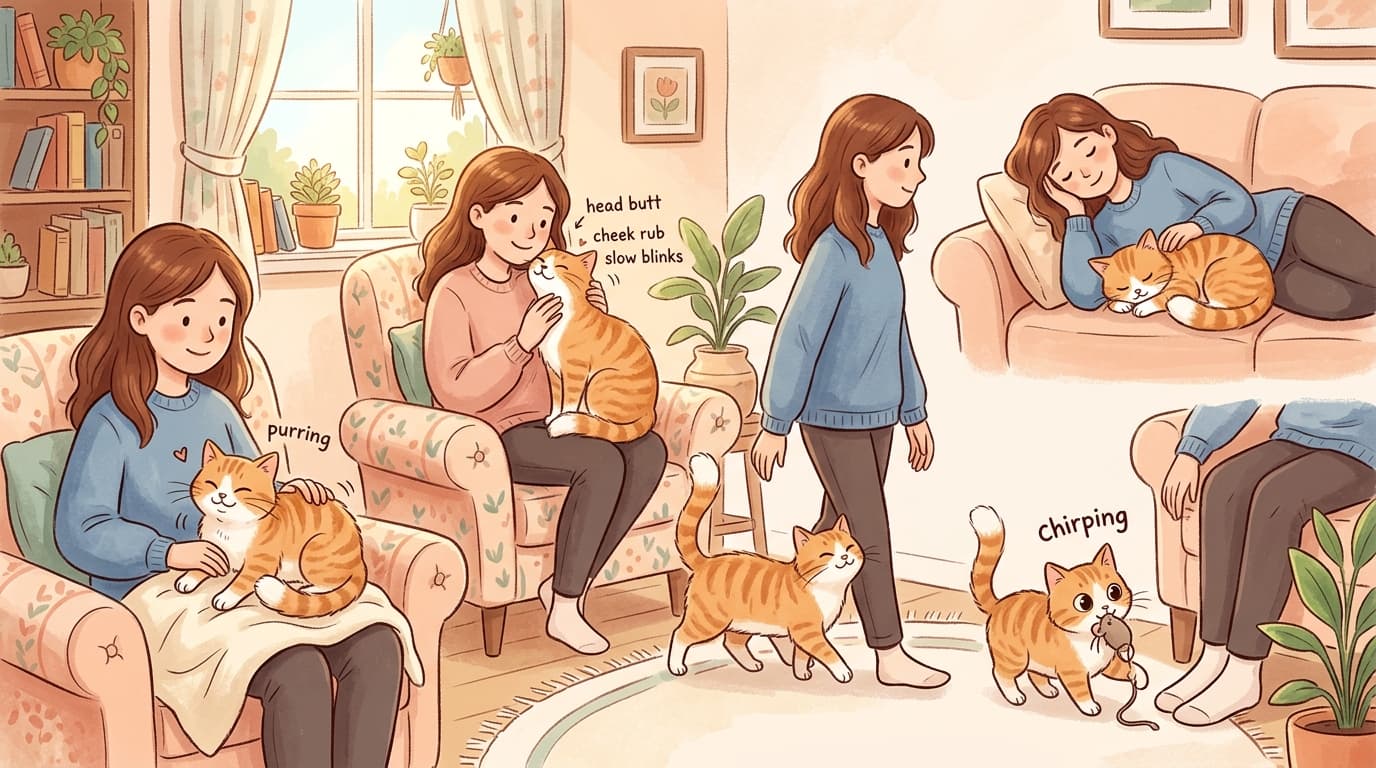
№ 29From kneading to greeting you at the door, these 5 behaviors can mean your cat sees you as their safe, mother-like figure.
 № 30
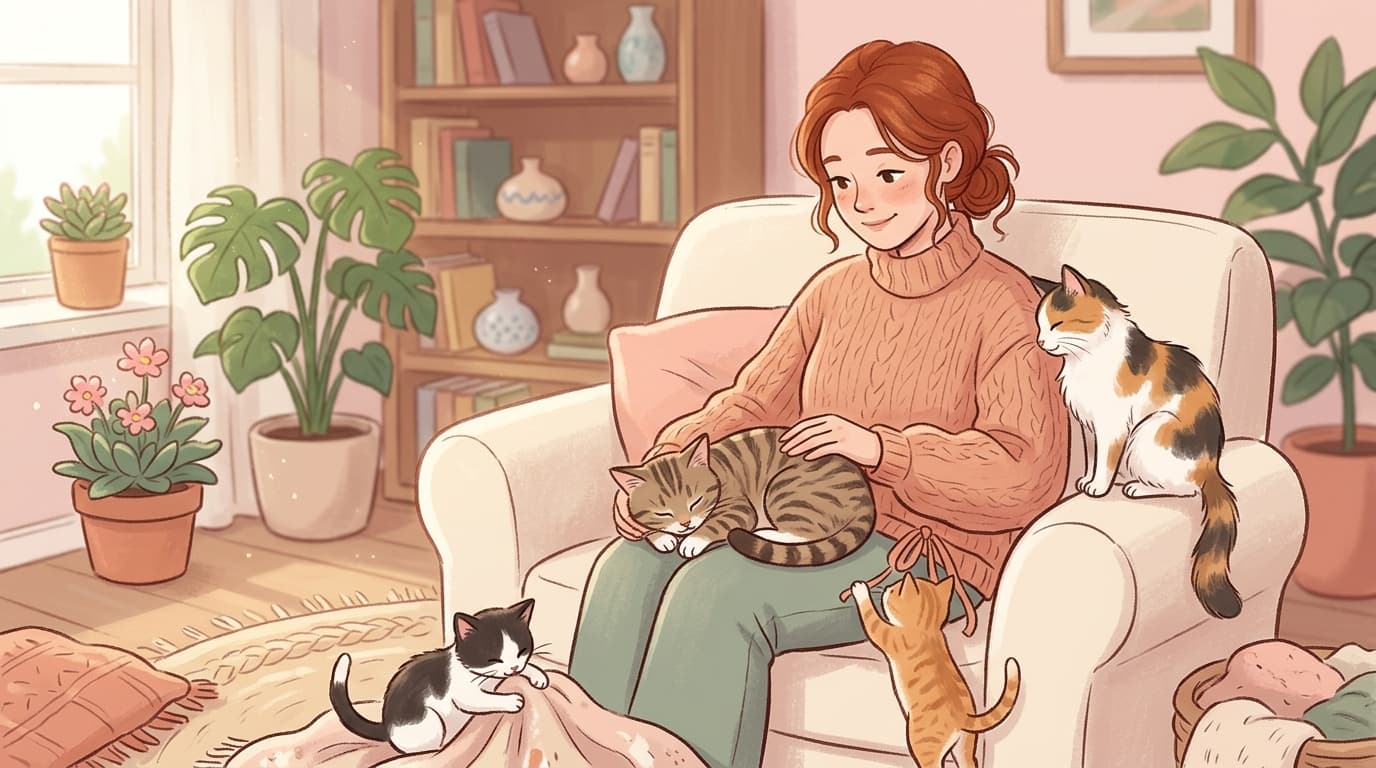
№ 30From kneading to greeting you at the door, these 5 behaviors can mean your cat sees you as their safe, mother-like figure.
 № 31
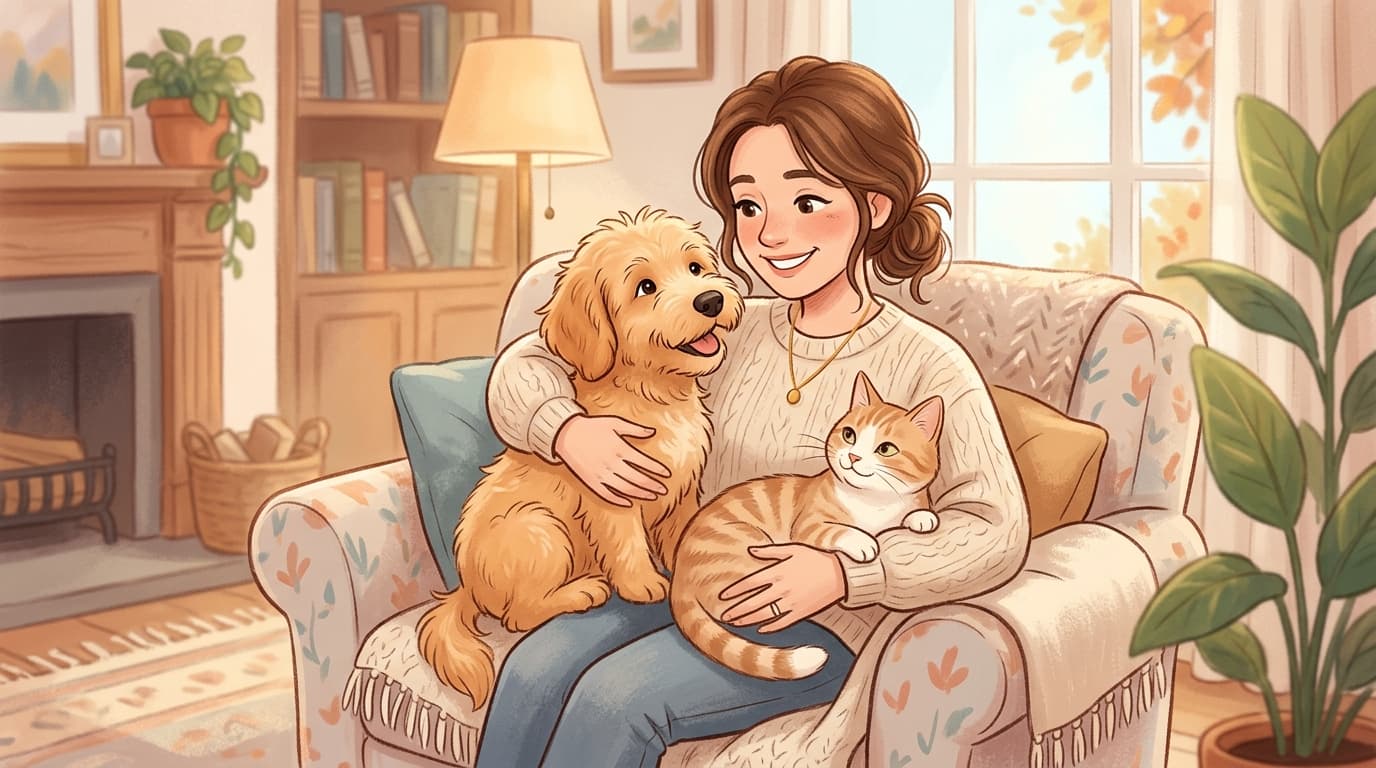
№ 31Attachment theory and oxytocin explain why pets feel like family—and how to love them deeply without humanizing them.
 № 32
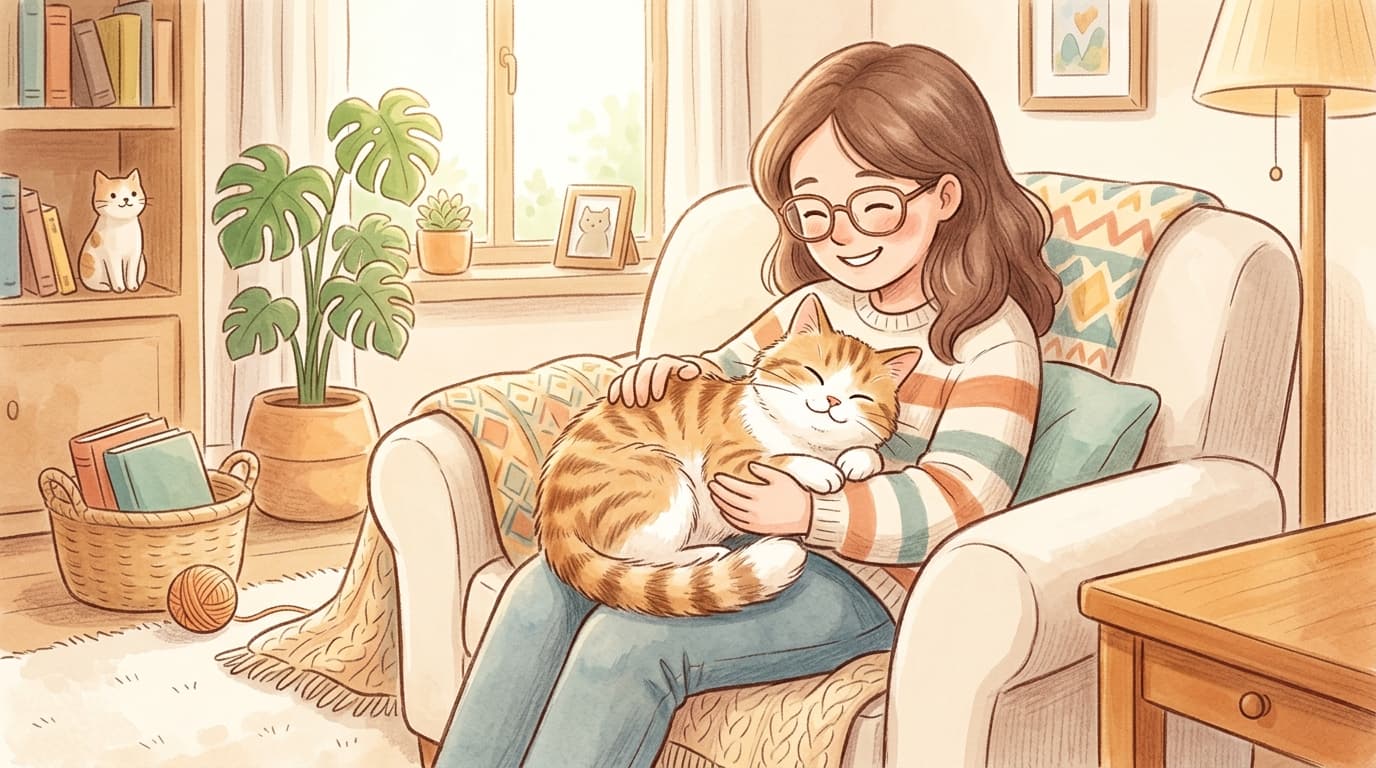
№ 32From tail-up greetings to sleeping on your clothes, these 15 behaviors can reveal a deep, family-level bond with your cat.
 № 33
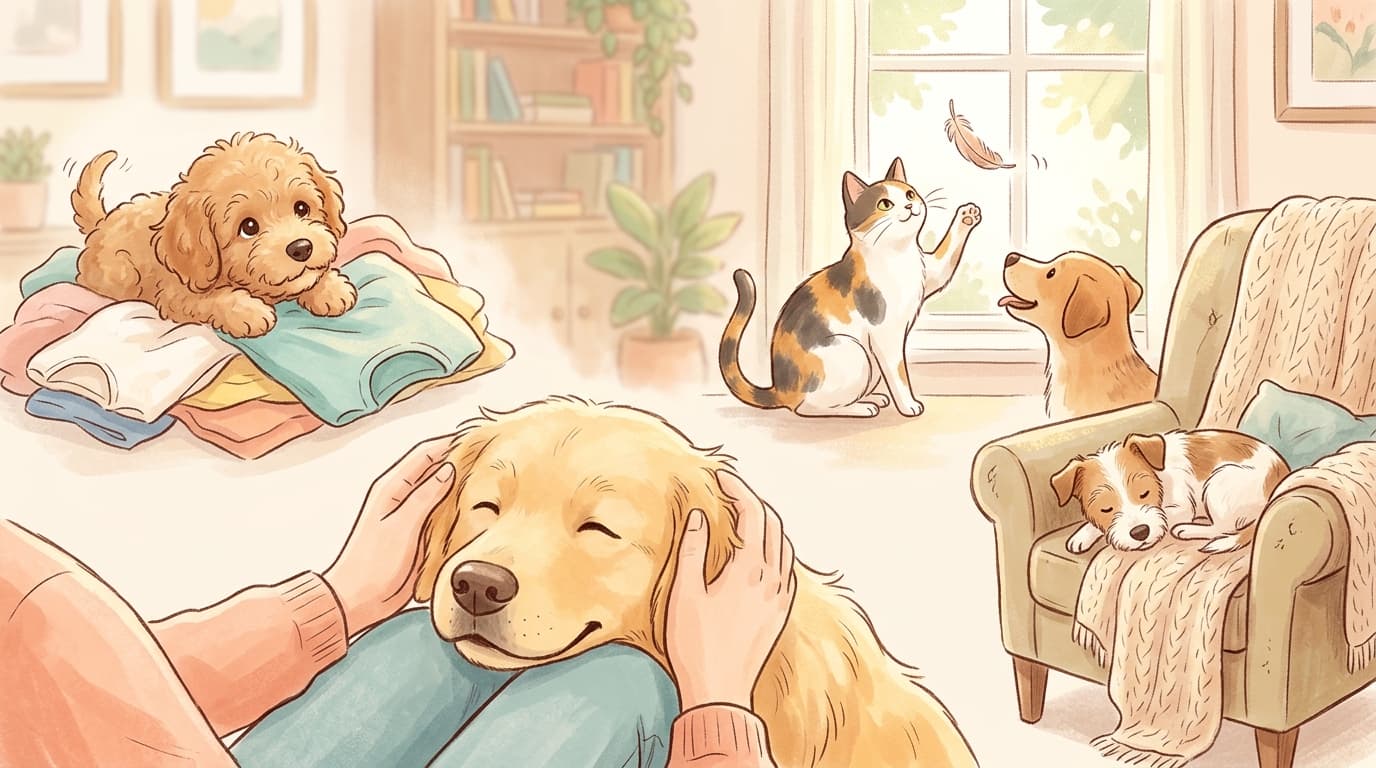
№ 33From “sniff walks” to quiet togetherness, these simple habits can make your dog feel calmer, safer, and more connected to you.
 № 34
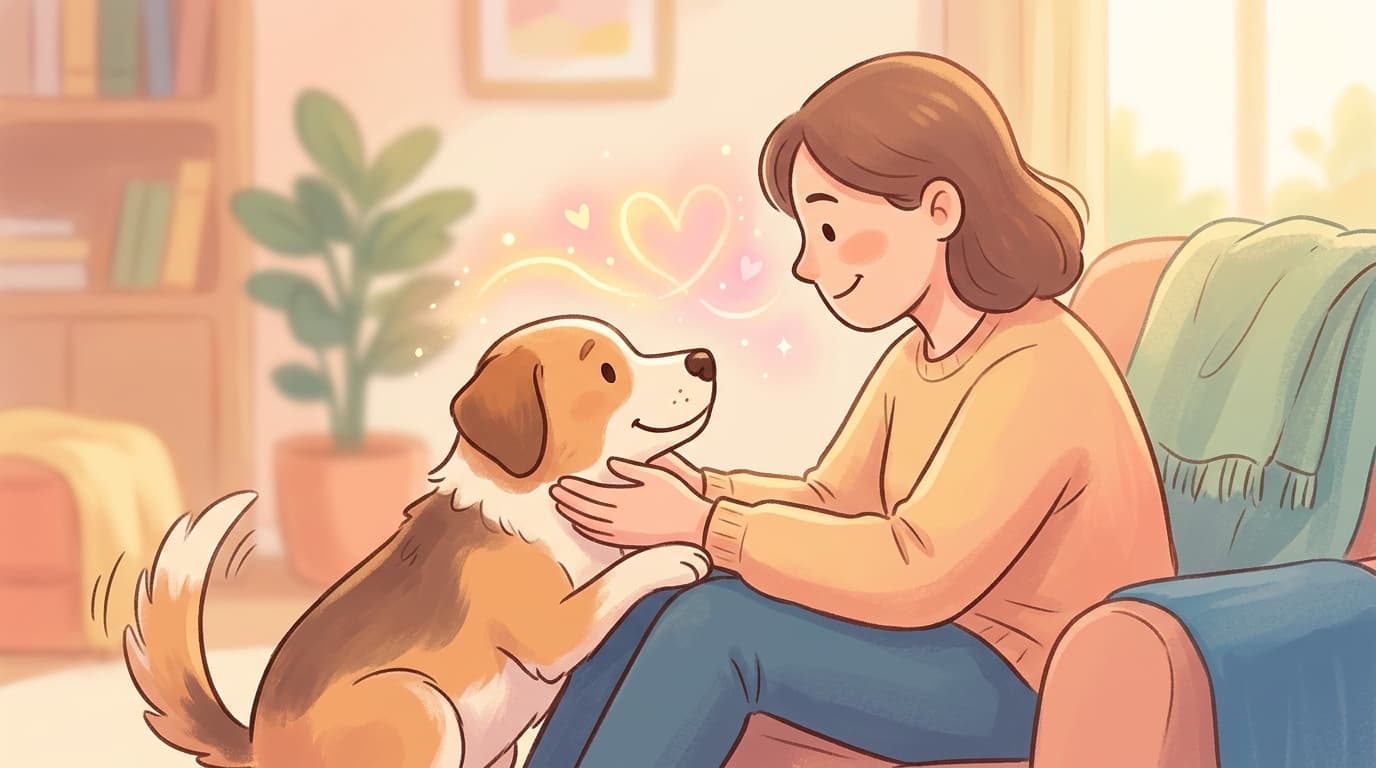
№ 34That intense dog eye contact can trigger an oxytocin “bond loop” in both of you—one reason your connection feels so strong.
 № 35
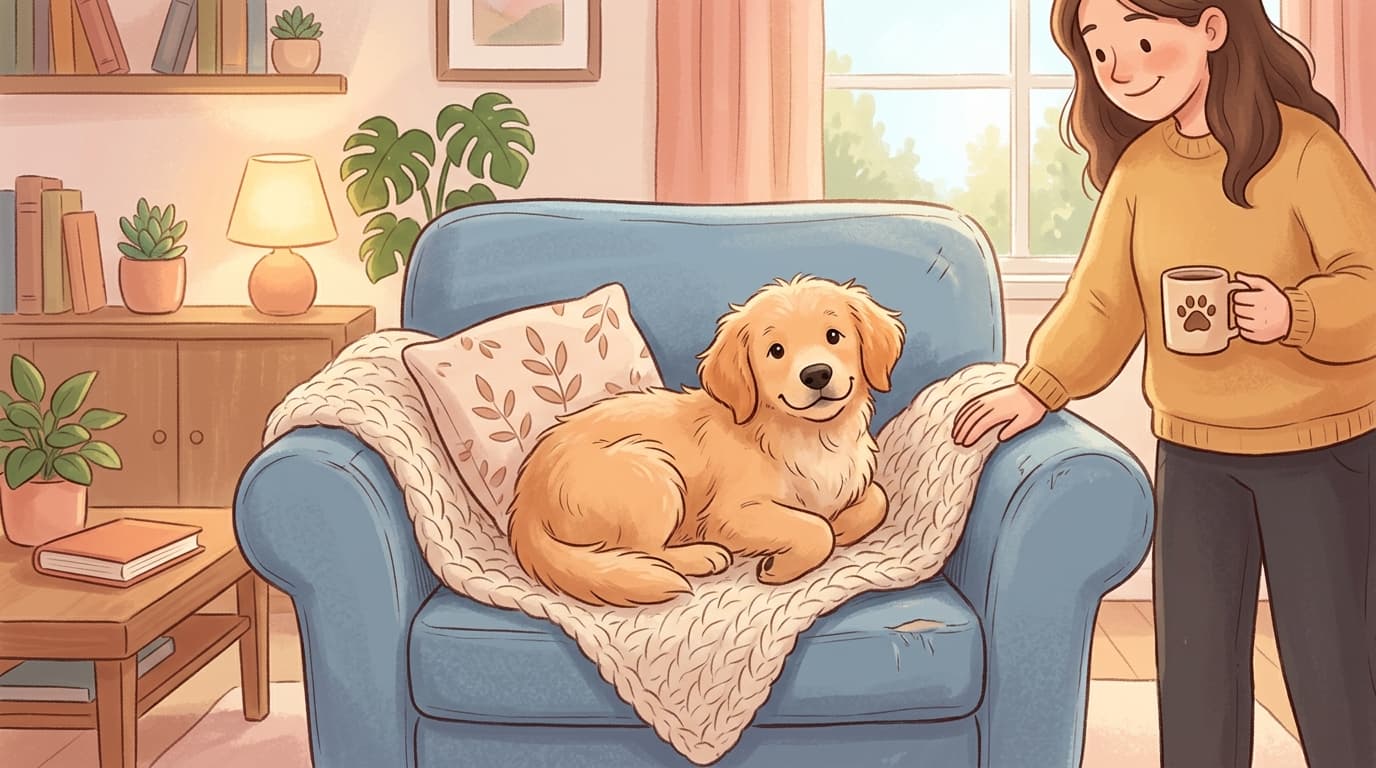
№ 35Your dog isn’t being rude when they take your spot. Here are the scent, comfort, and attachment reasons dogs “steal” your seat.
 № 36
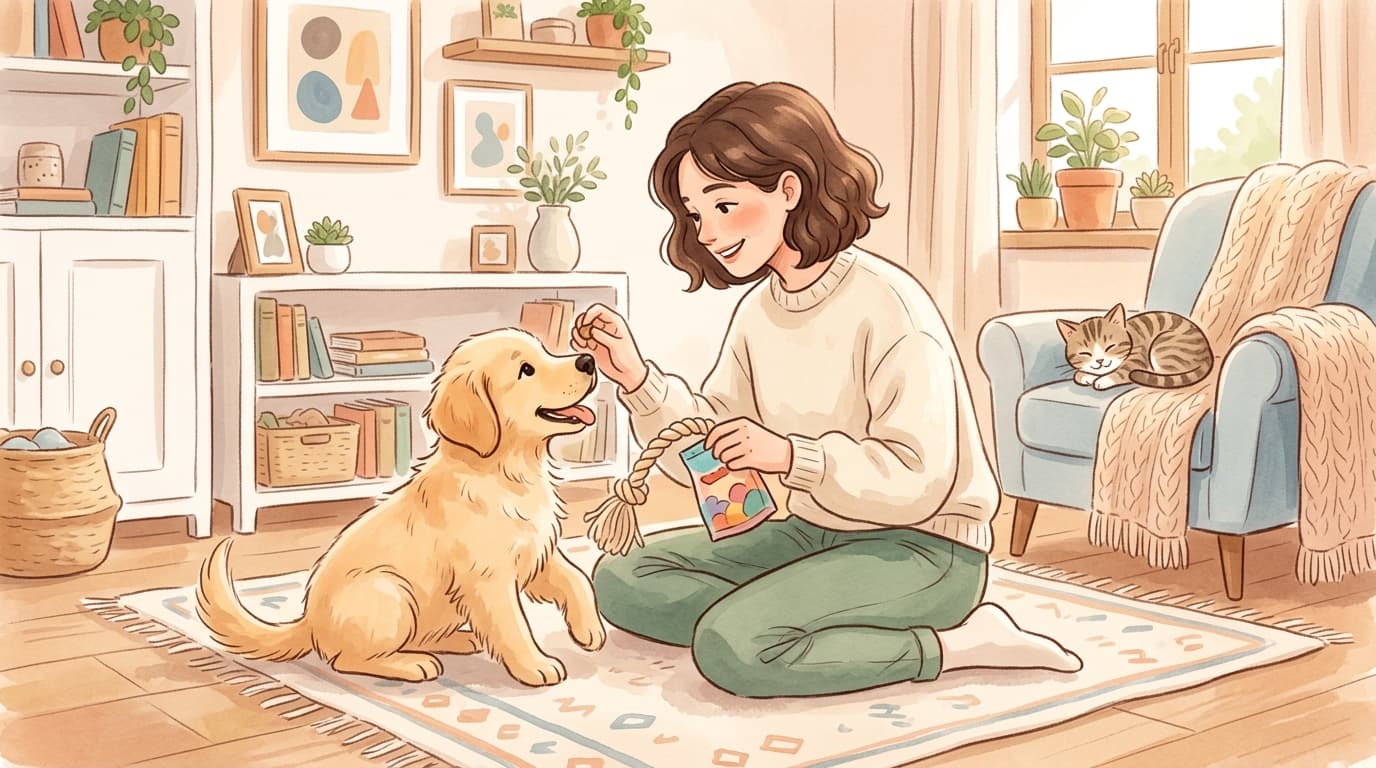
№ 36A new survey suggests dog training choices reflect our ethics, not just what “works.” Here’s why punishment persists and what to do instead.