 № 193
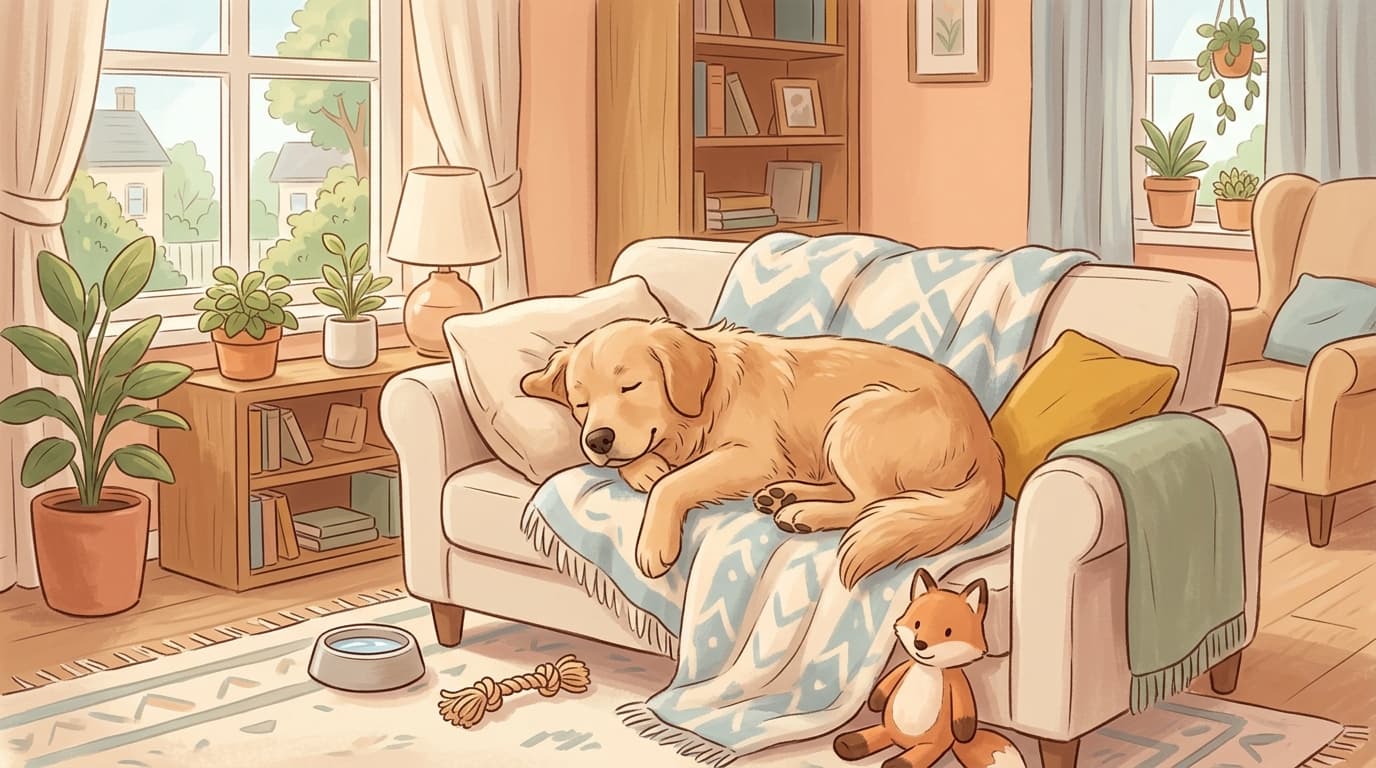
№ 193How to Leave Your Dog Home Alone Without Triggering a Panic Spiral
Simple, science-backed leaving routines that reduce stress: skip emotional goodbyes, use grounding touch, and match rituals to short vs long absences.
6 min read
§ Index
The complete reading room. Use a tag to narrow the list, or search directly.
№ 193Simple, science-backed leaving routines that reduce stress: skip emotional goodbyes, use grounding touch, and match rituals to short vs long absences.
 № 194
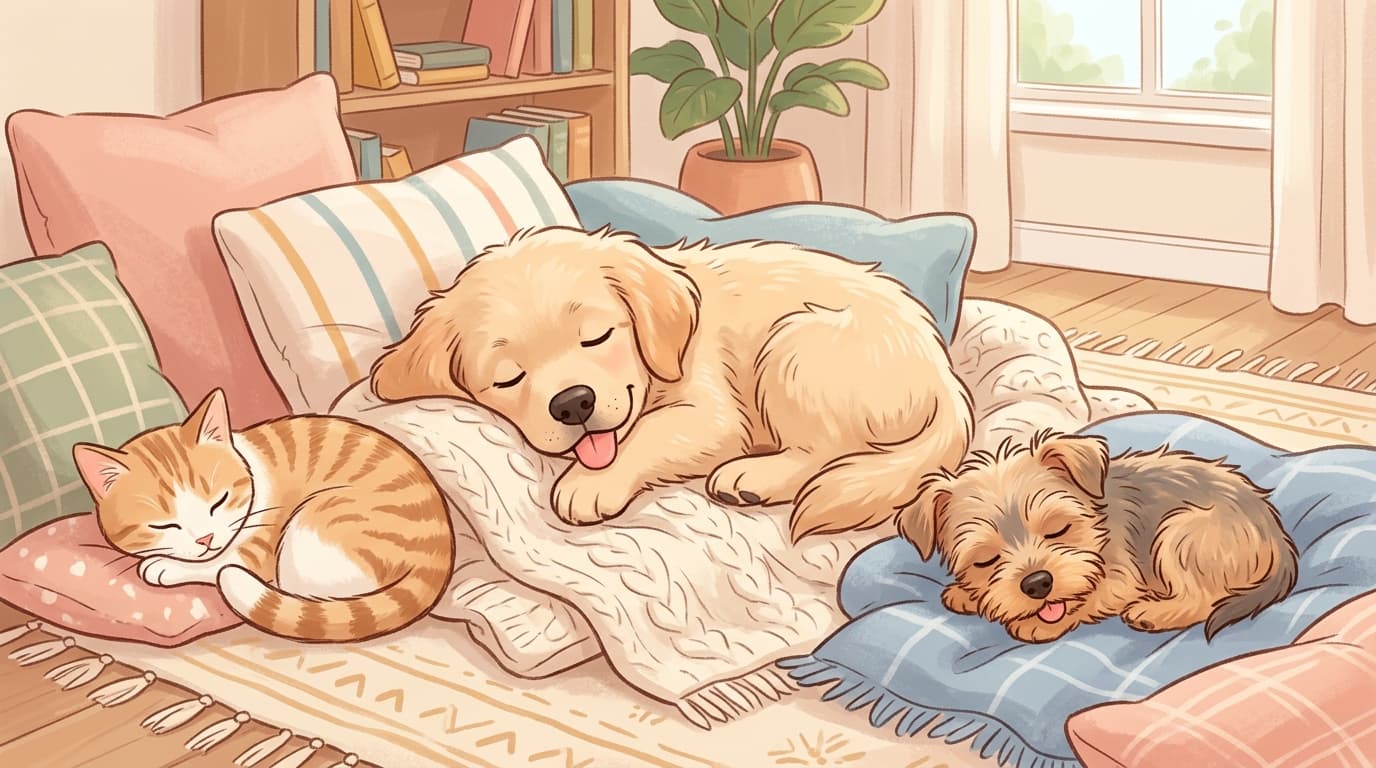
№ 194Tongue out during sleep is usually a sign of deep relaxation or cooling off. Learn why it happens and when to get it checked.
 № 195
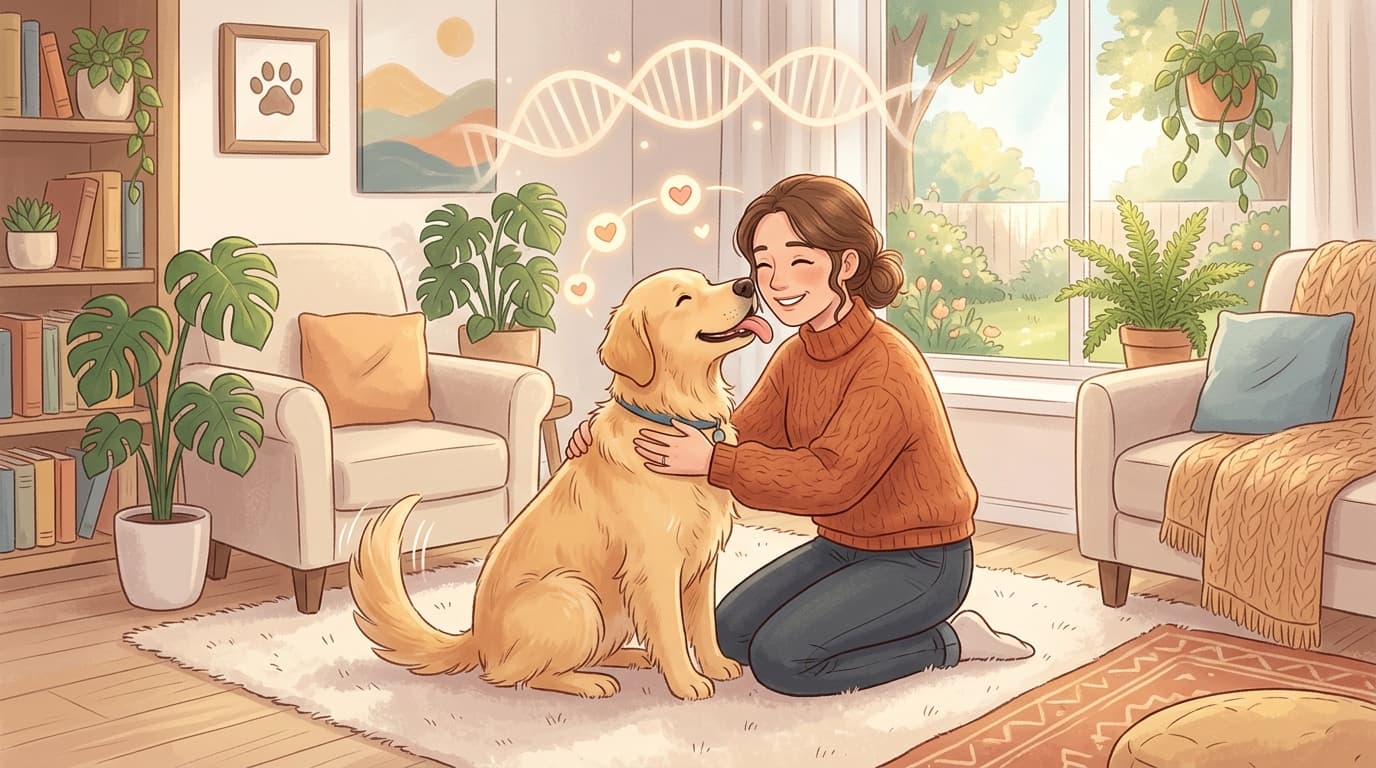
№ 195A large Golden Retriever DNA study found gene regions linked to behavior that also relate to human traits like emotional regulation and depression.
 № 196
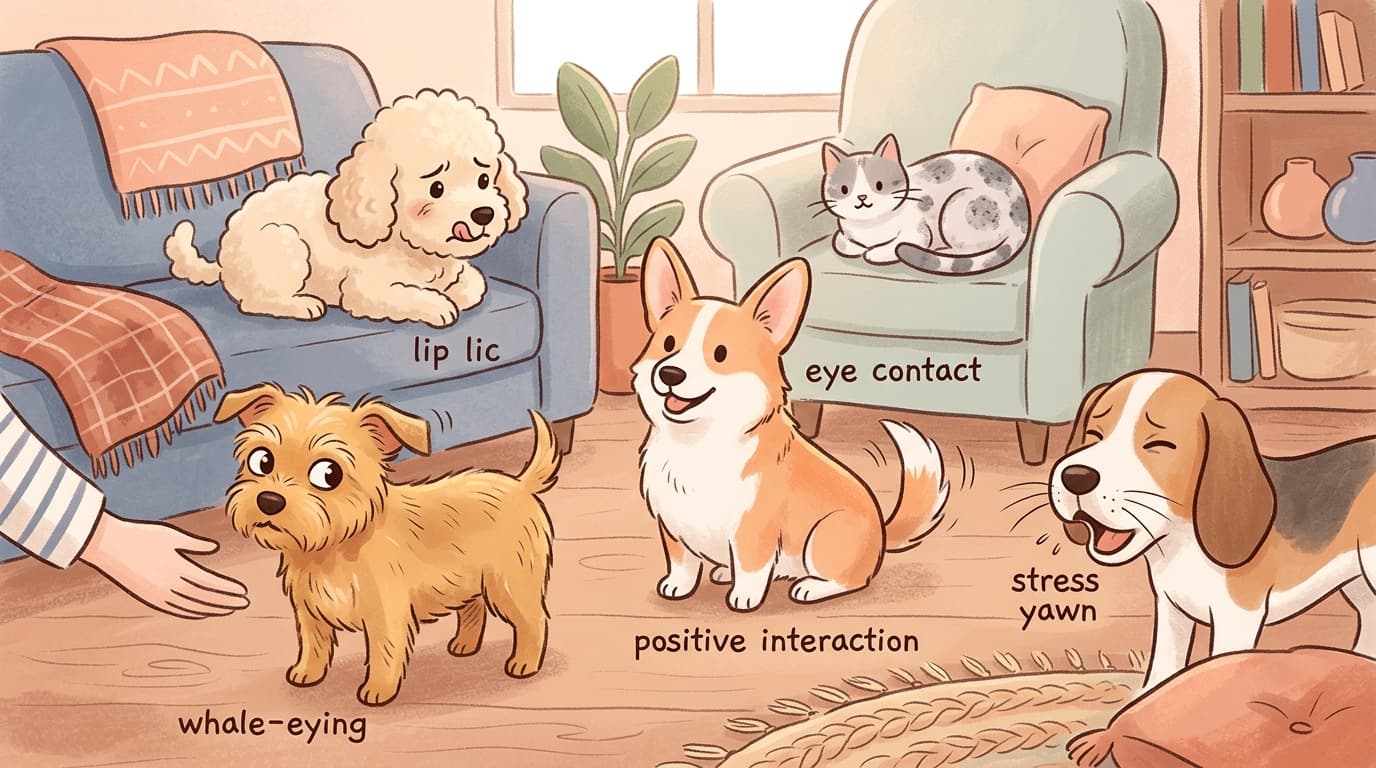
№ 196From play bows to “turning their back,” these subtle dog body language signals reveal trust, safety, and what your dog needs from you.
 № 197
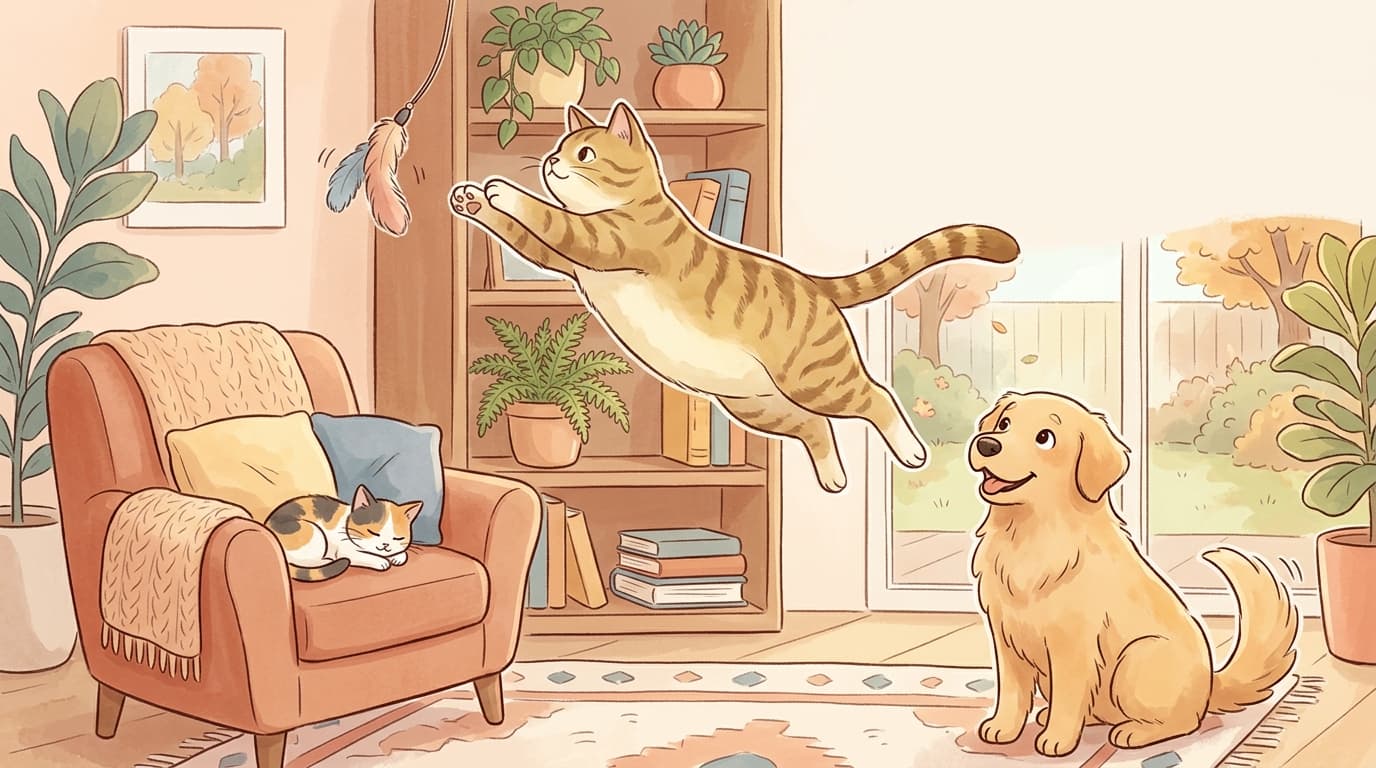
№ 197Cat jumps aren’t magic. Learn how your cat measures distance, stores energy like a spring, and twists midair to land safely.
 № 198
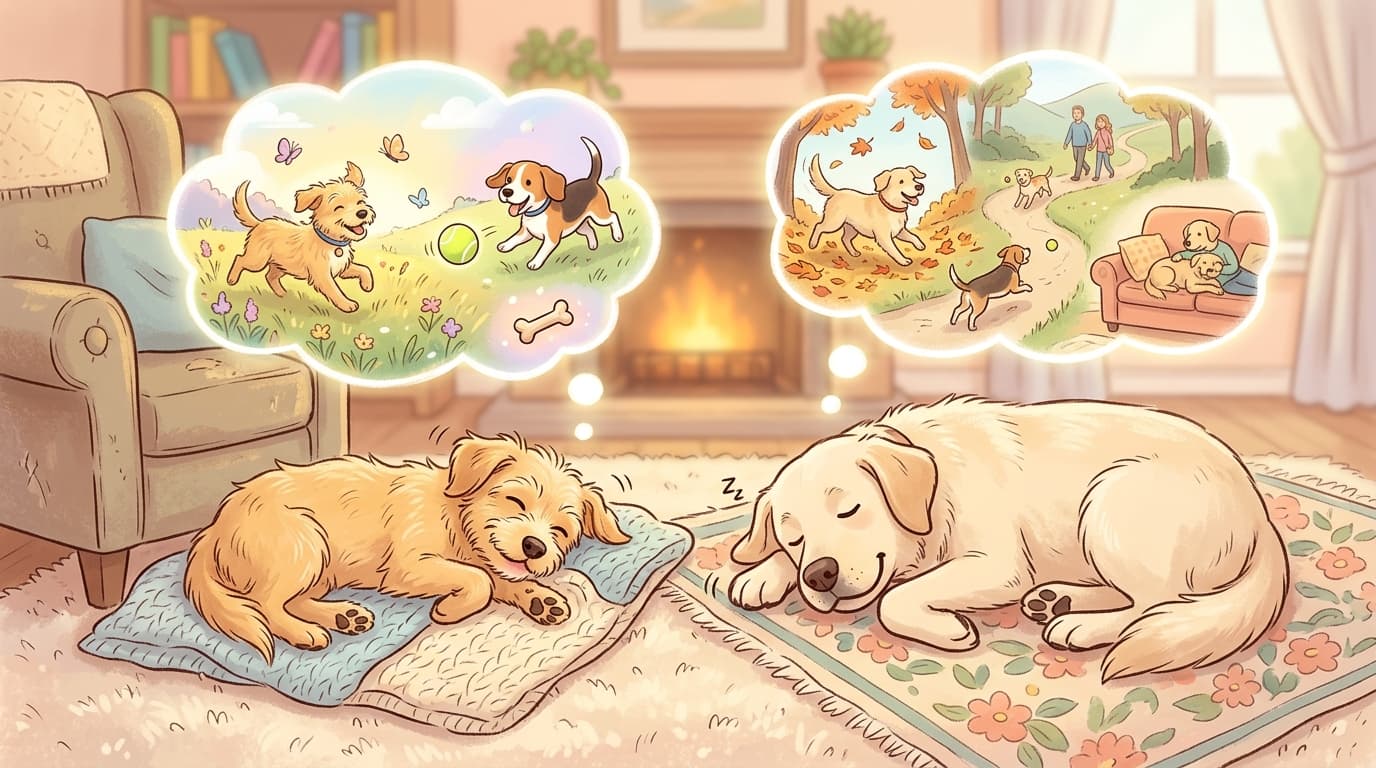
№ 198Dogs really do dream—often about their day. Learn what REM sleep looks like, why paws twitch, and why you shouldn’t wake them up.
 № 199
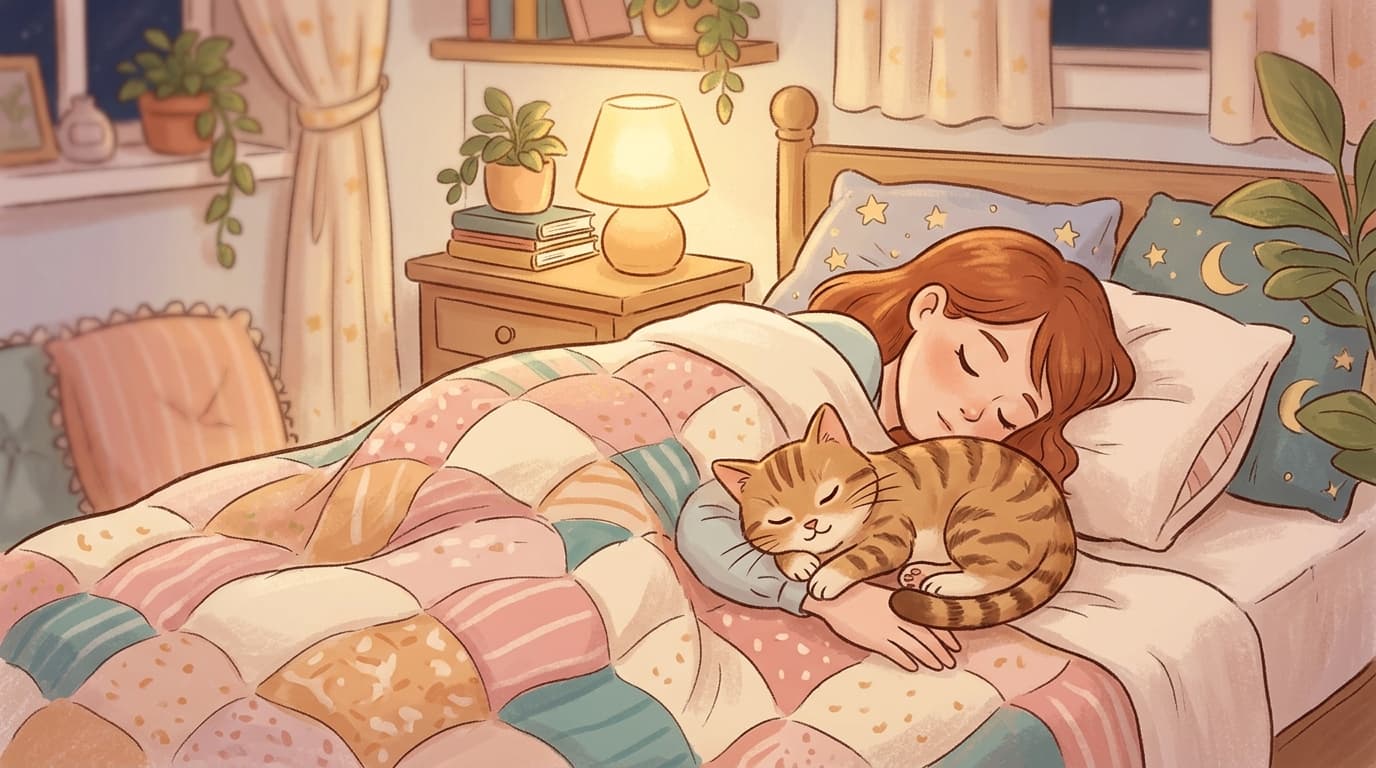
№ 199Cats don’t share your bed just for warmth. Learn what it means, what sleep positions say, and why a sudden change deserves attention.
 № 200
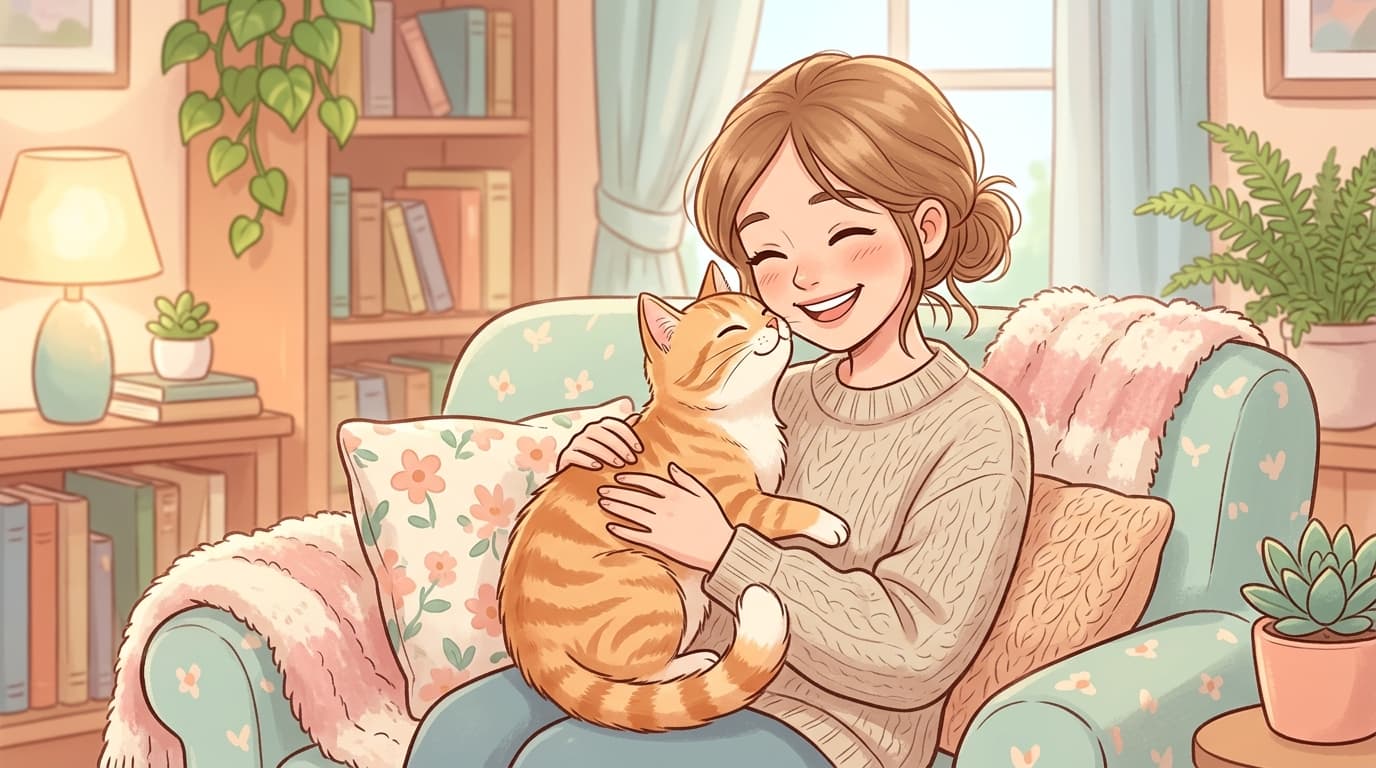
№ 200From “safe base” behavior to a special meow just for you, here are 7 signs you’re your cat’s chosen human.
 № 201
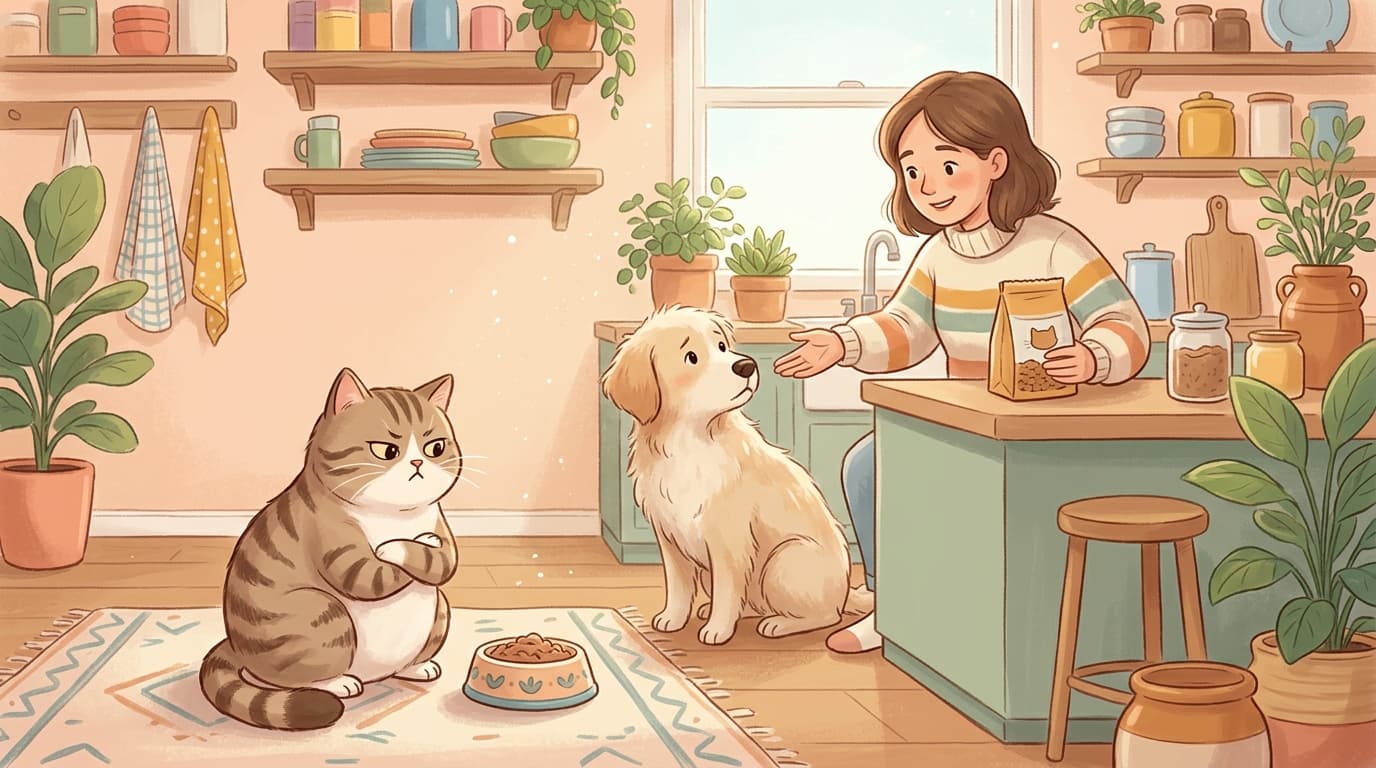
№ 201Your cat isn’t being picky—wet food can feel unsafe. Learn the real reasons and a simple, stress-free plan to switch successfully.
 № 202
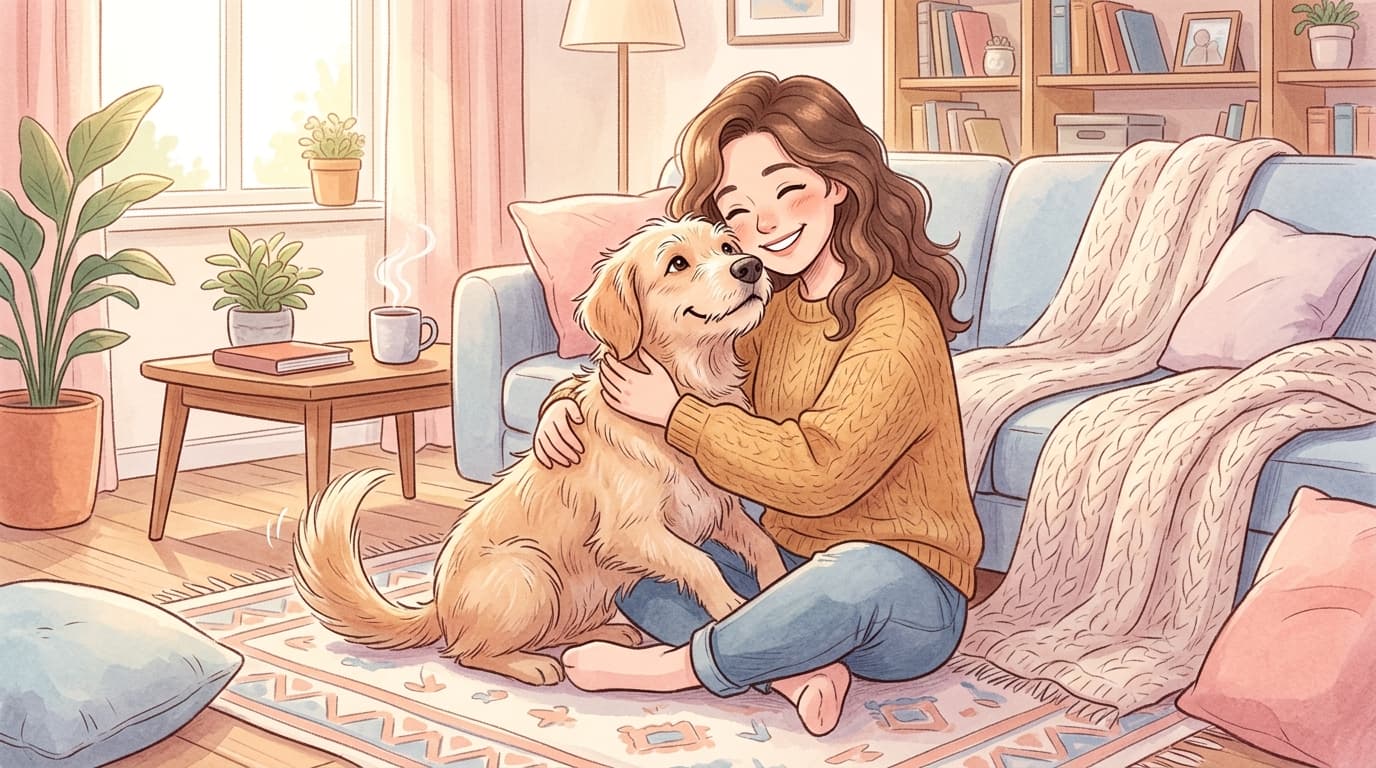
№ 202From scent-sleeping to syncing your pace, these rare behaviors can reveal your dog has chosen you as their forever person.
 № 203
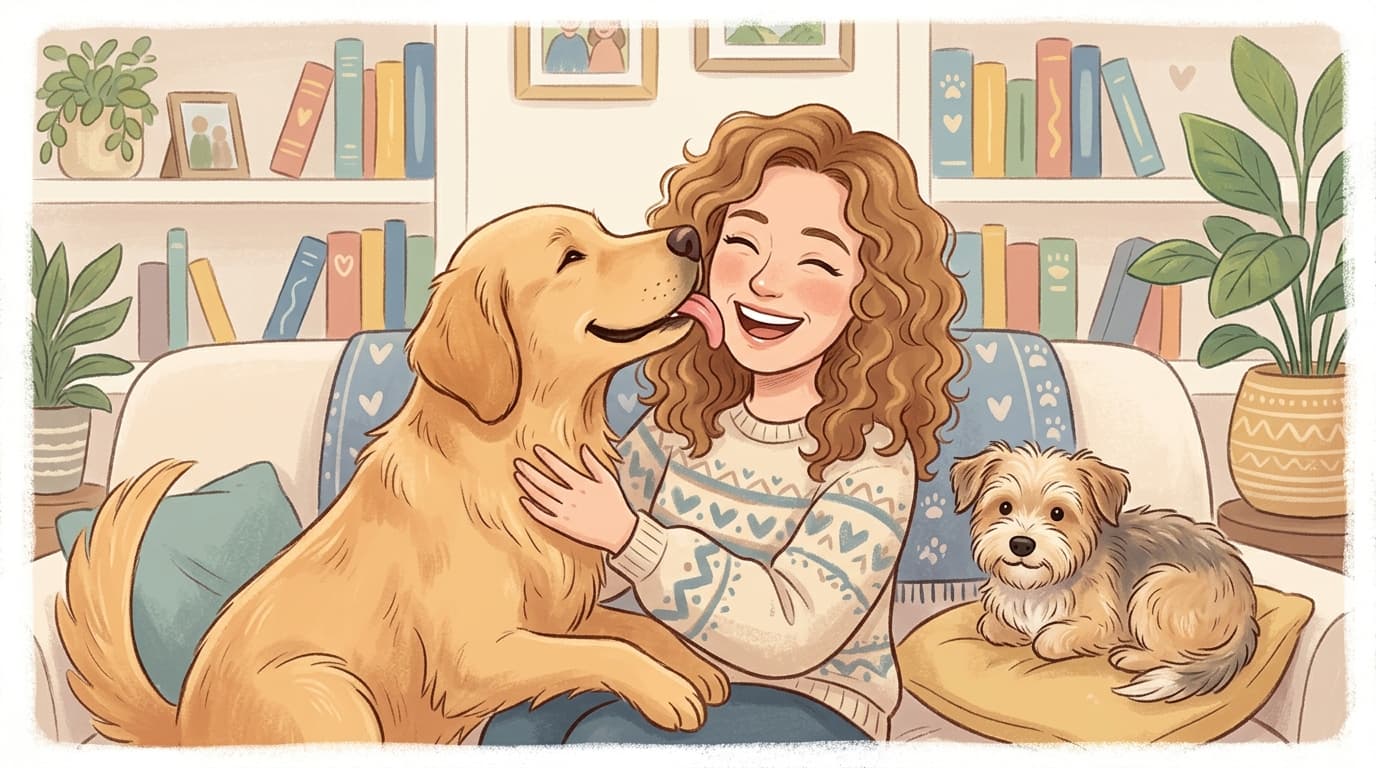
№ 203Your dog’s licking isn’t just affection. Learn 8 real reasons dogs lick you—from bonding and scent “audits” to stress and alerts.
 № 204
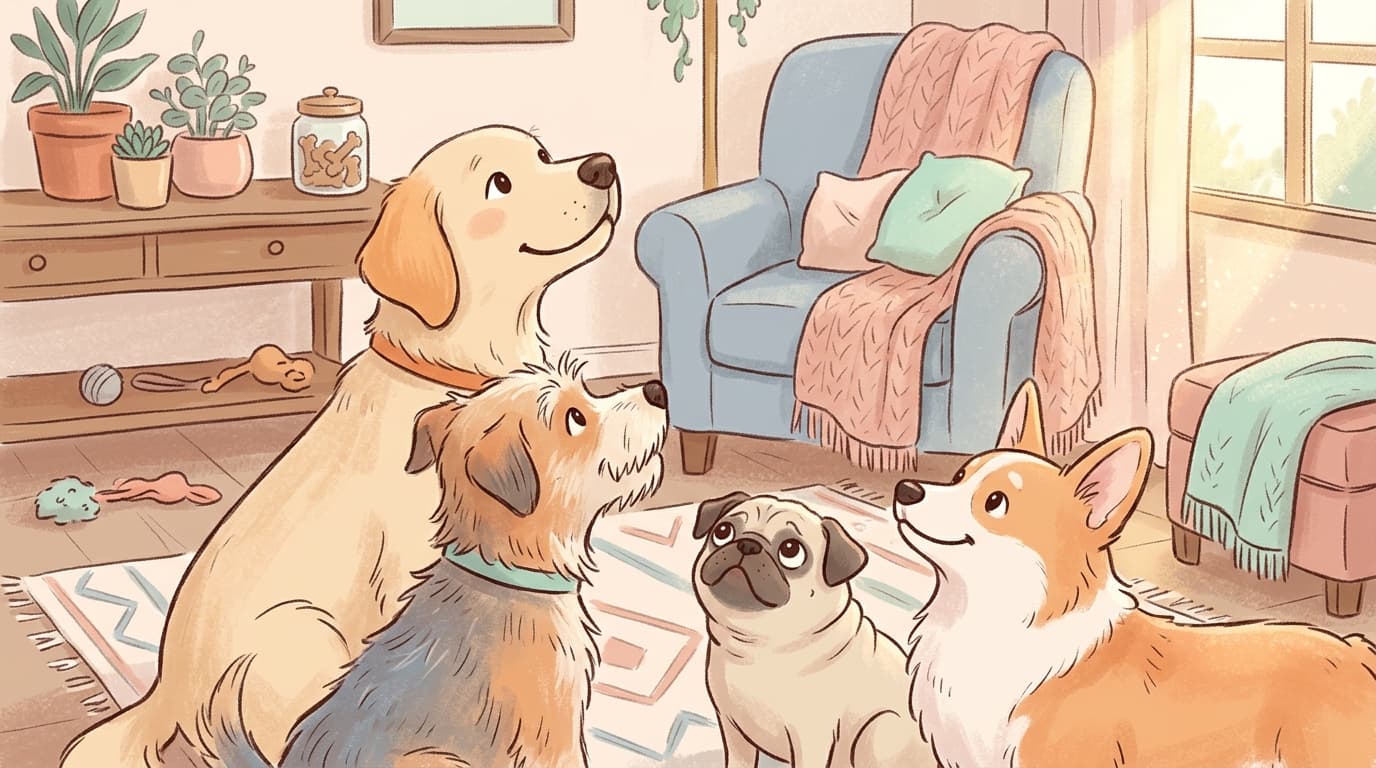
№ 204That intense dog stare isn’t random. Here are 8 real reasons your dog watches you—and what they’re learning about you each time.