
 № 25
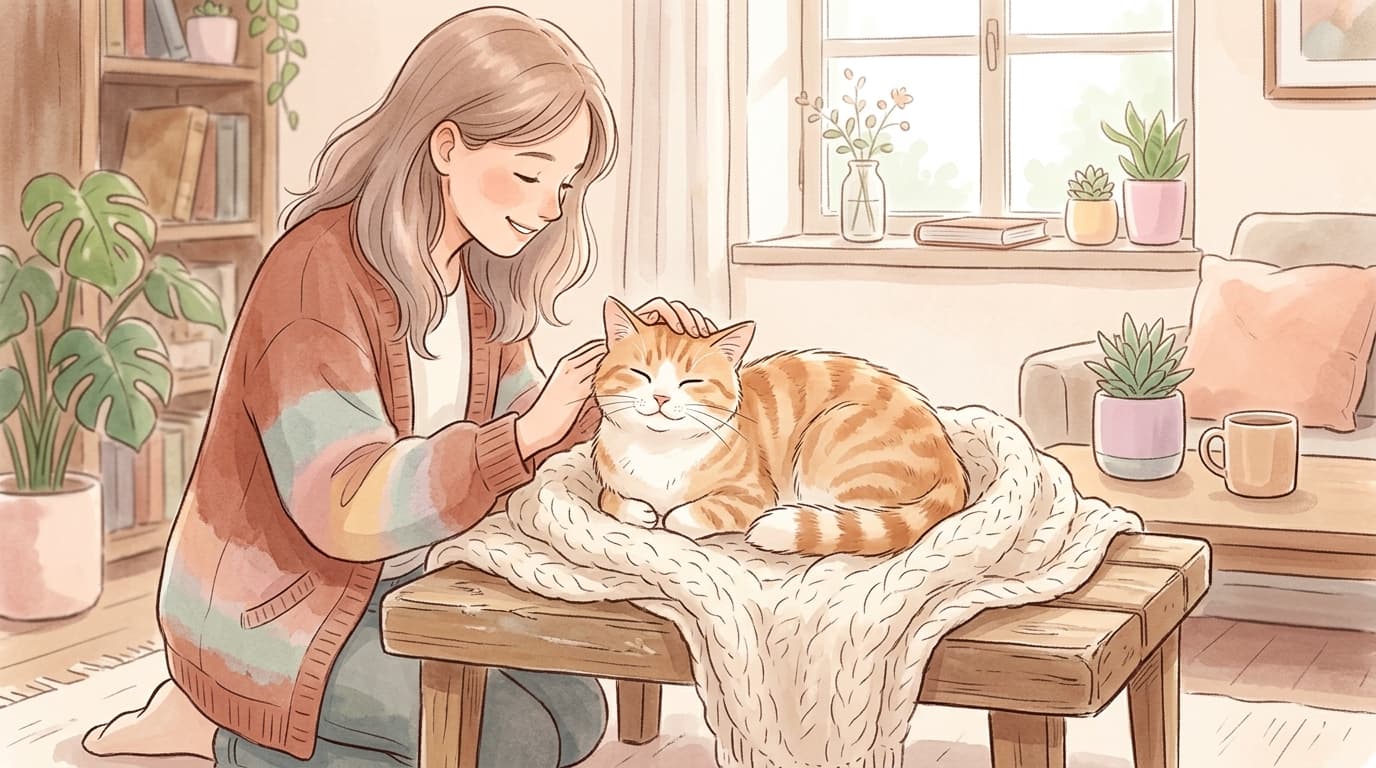
№ 255 Quiet Things Your Cat Has Been Waiting for You to Do (That Build Real Trust)
Your cat craves more than food and toys. Try these 5 small, quiet habits to build trust and make your cat feel truly safe.
4 min read
§ Index
№ 25Your cat craves more than food and toys. Try these 5 small, quiet habits to build trust and make your cat feel truly safe.
 № 26
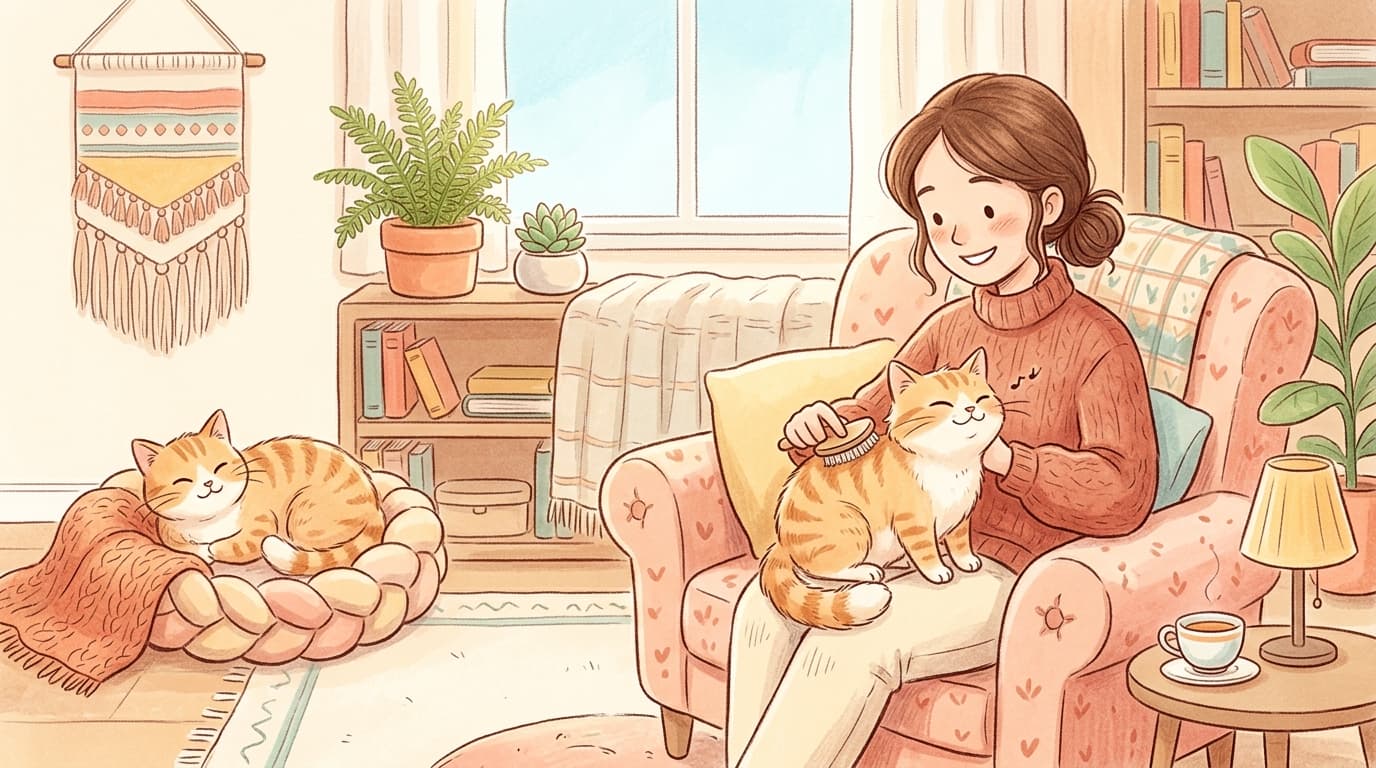
№ 26Give your cat what they actually want: a high perch, calm proximity, a nose-first greeting, floor time, and a replied-to meow.
 № 27
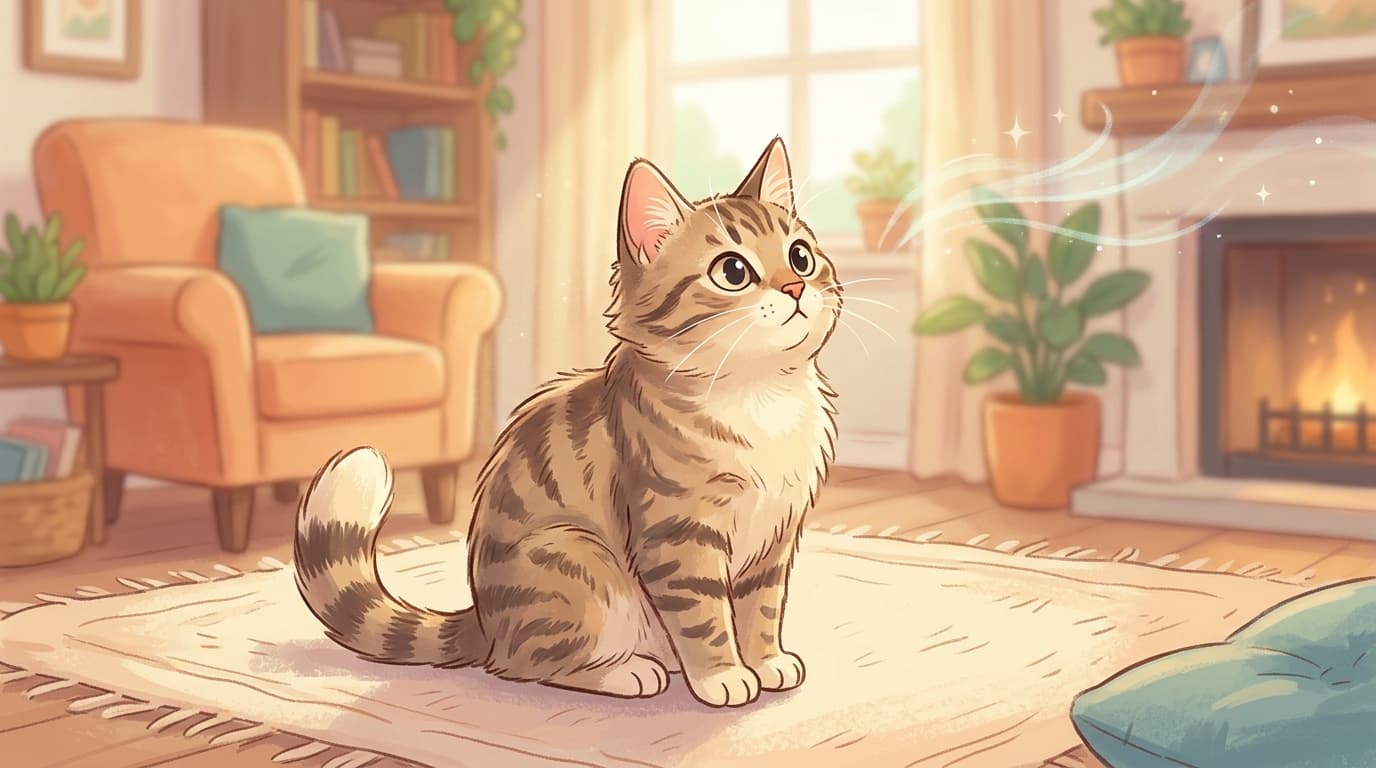
№ 27Your cat isn’t being spooky—its senses pick up UV light, tiny sounds, air shifts, and more. Here are 11 things cats detect that you can’t.
 № 28
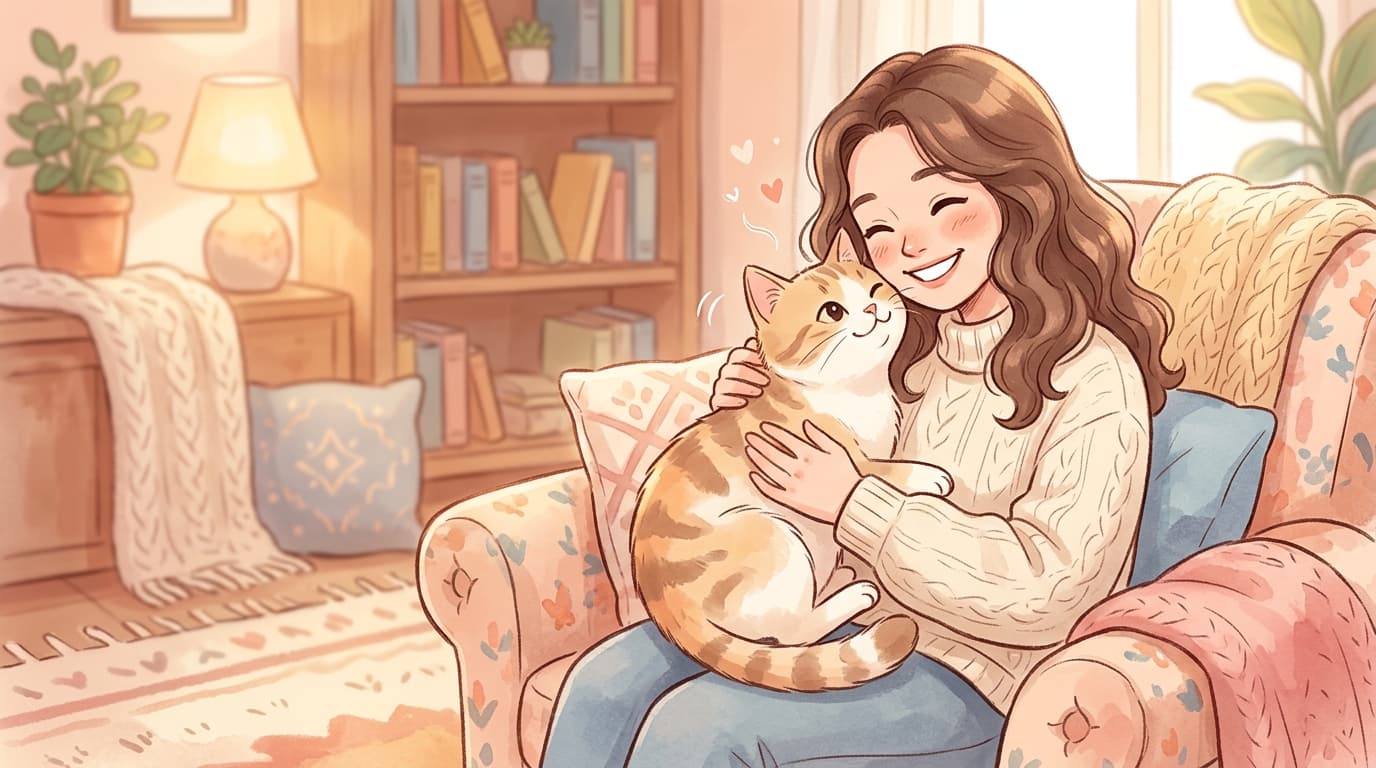
№ 28Cats do apologize—just quietly. Learn 6 subtle “sorry” signals (and how to respond) after tension with your cat.
 № 29
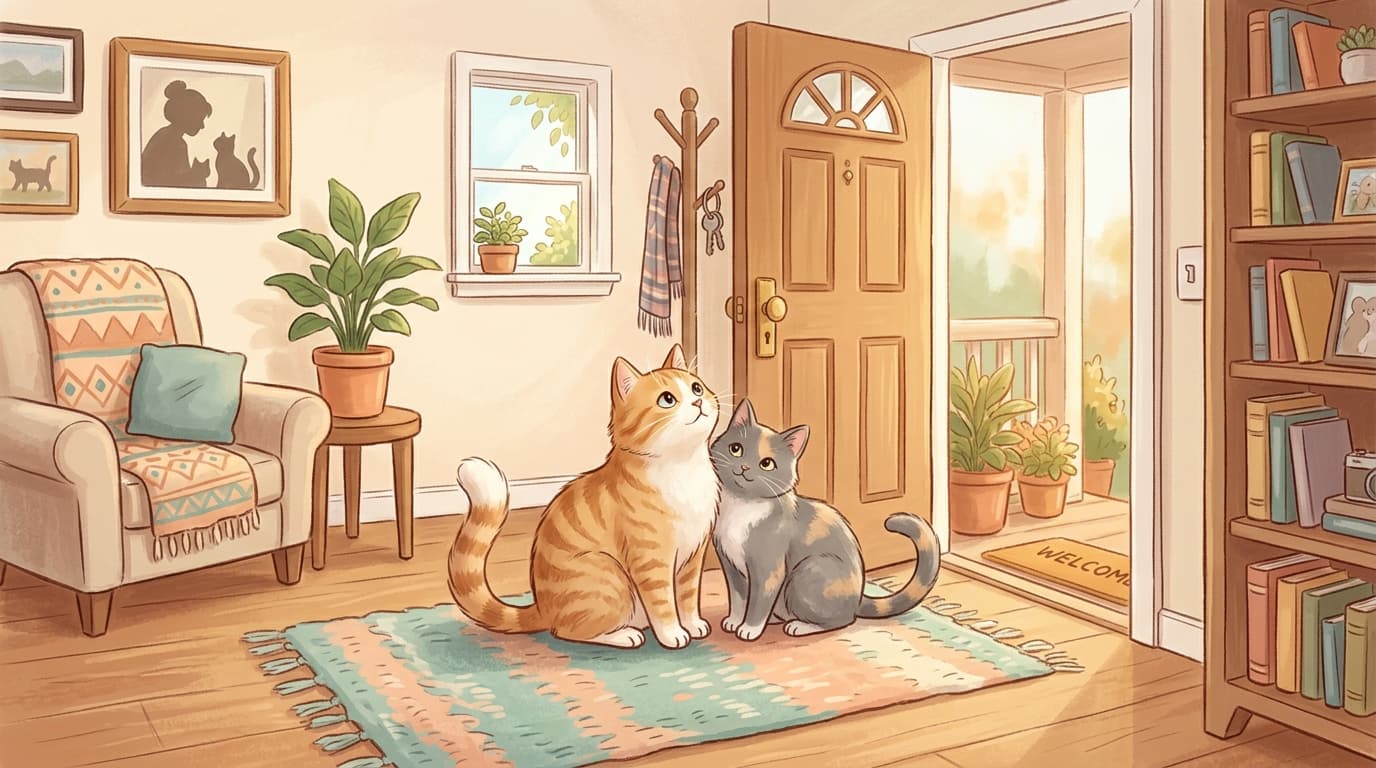
№ 29Many cats form secure attachments and miss you—just not as “abandonment.” Learn the real signs and how to prevent boredom.
 № 30
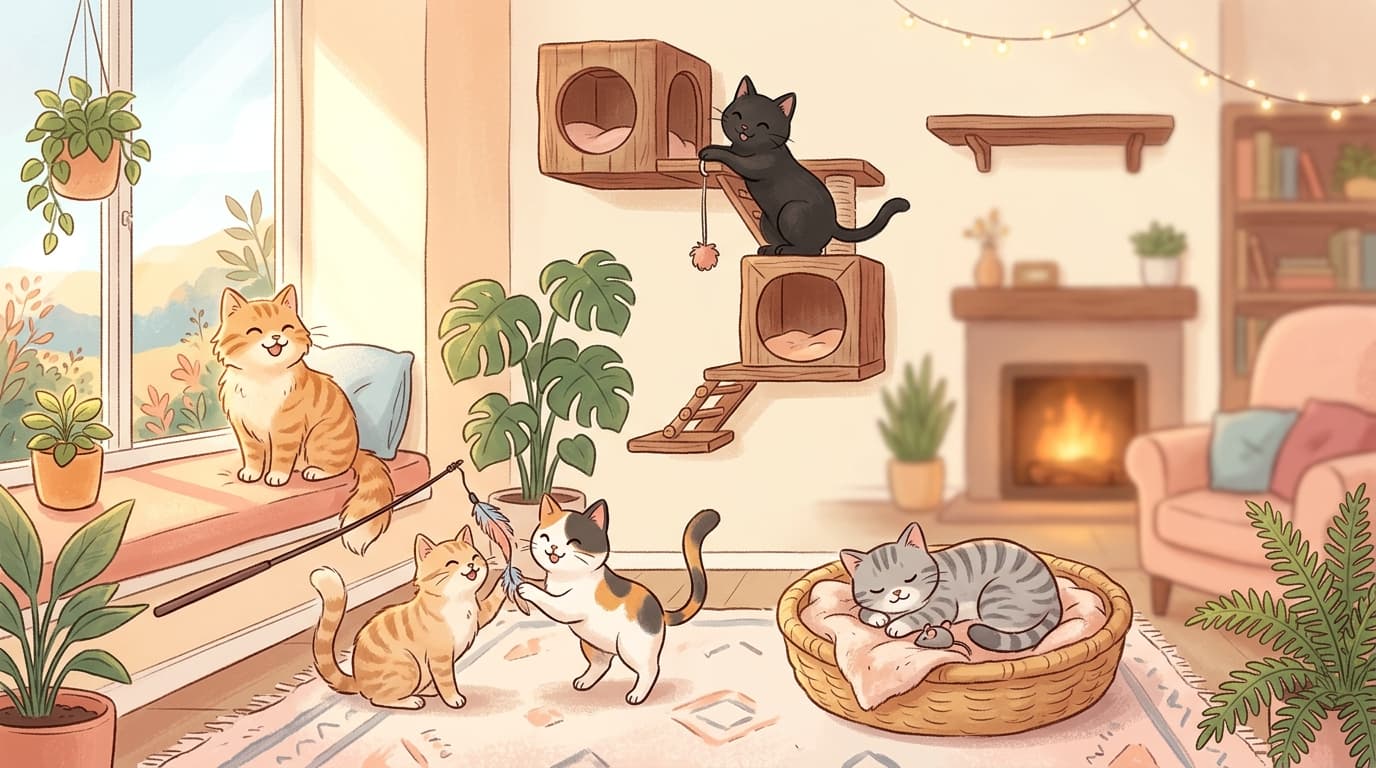
№ 30From better petting to smarter play and calmer litter box habits—10 simple changes that make your cat feel safer, closer, and happier.
 № 31
№ 31Sleeping beside you isn’t “clingy” behavior—it's trust, routine, and real comfort for your cat (and often for you, too).
 № 32
№ 32Cat kneading can mean comfort and bonding—or self-soothing during stress. Learn why cats knead and when to pay attention.
 № 33
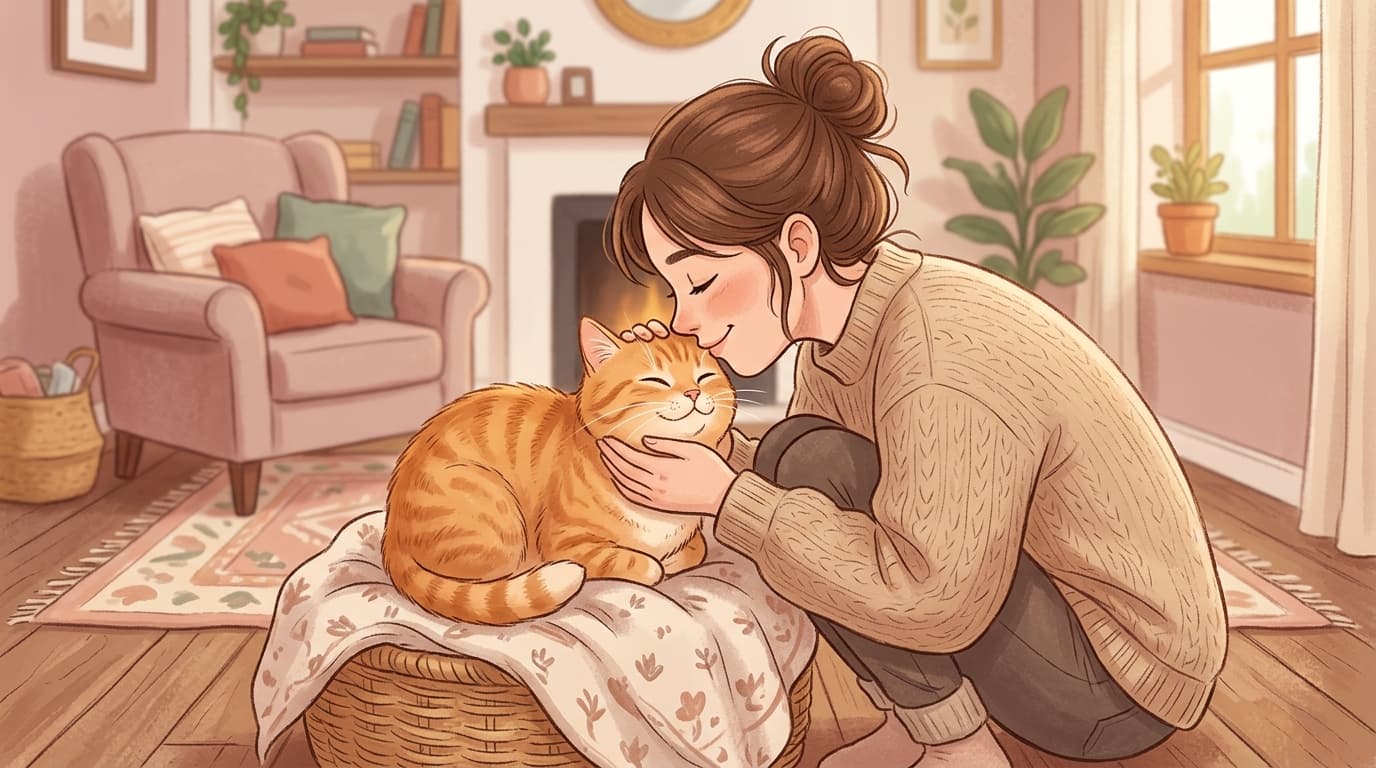
№ 33A cat doesn’t interpret kisses like humans do. Here’s what your face-to-fur “kiss” really communicates—and why some cats pull away.
 № 34
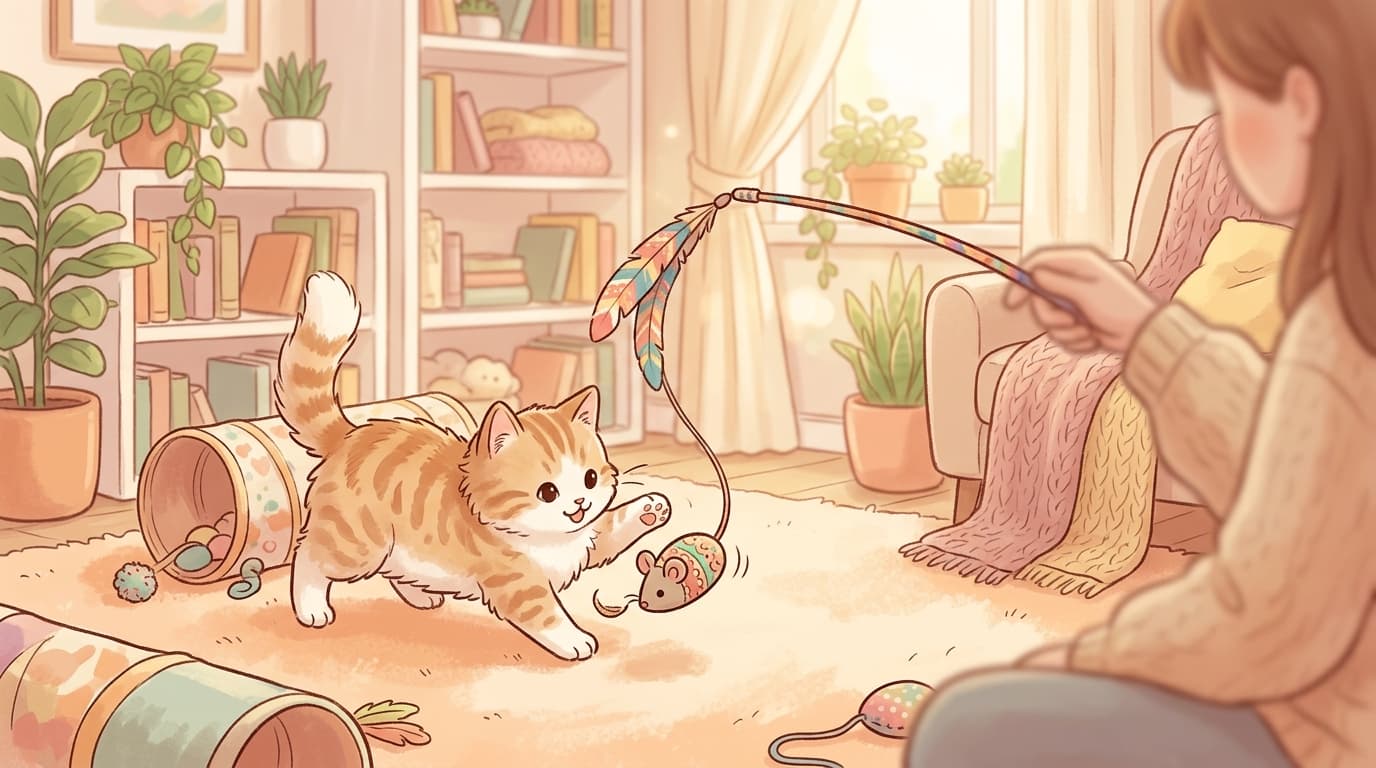
№ 34Many indoor cats are safe but not fulfilled. Learn the hidden need behind “lazy” behavior—and simple ways to make life feel richer.
 № 35
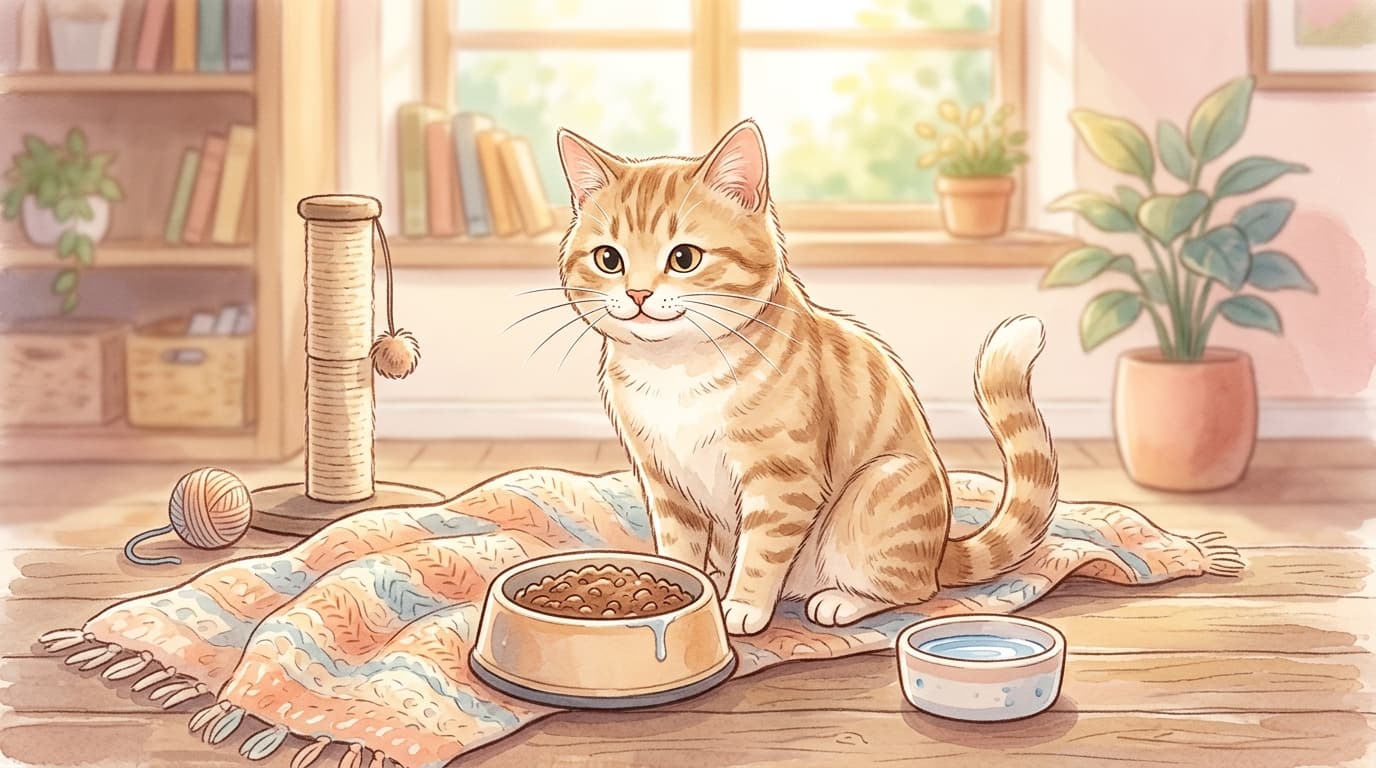
№ 35Daily wet food can boost hydration, support urinary health, help weight control, improve coat shine, and reduce food anxiety in cats.
 № 36
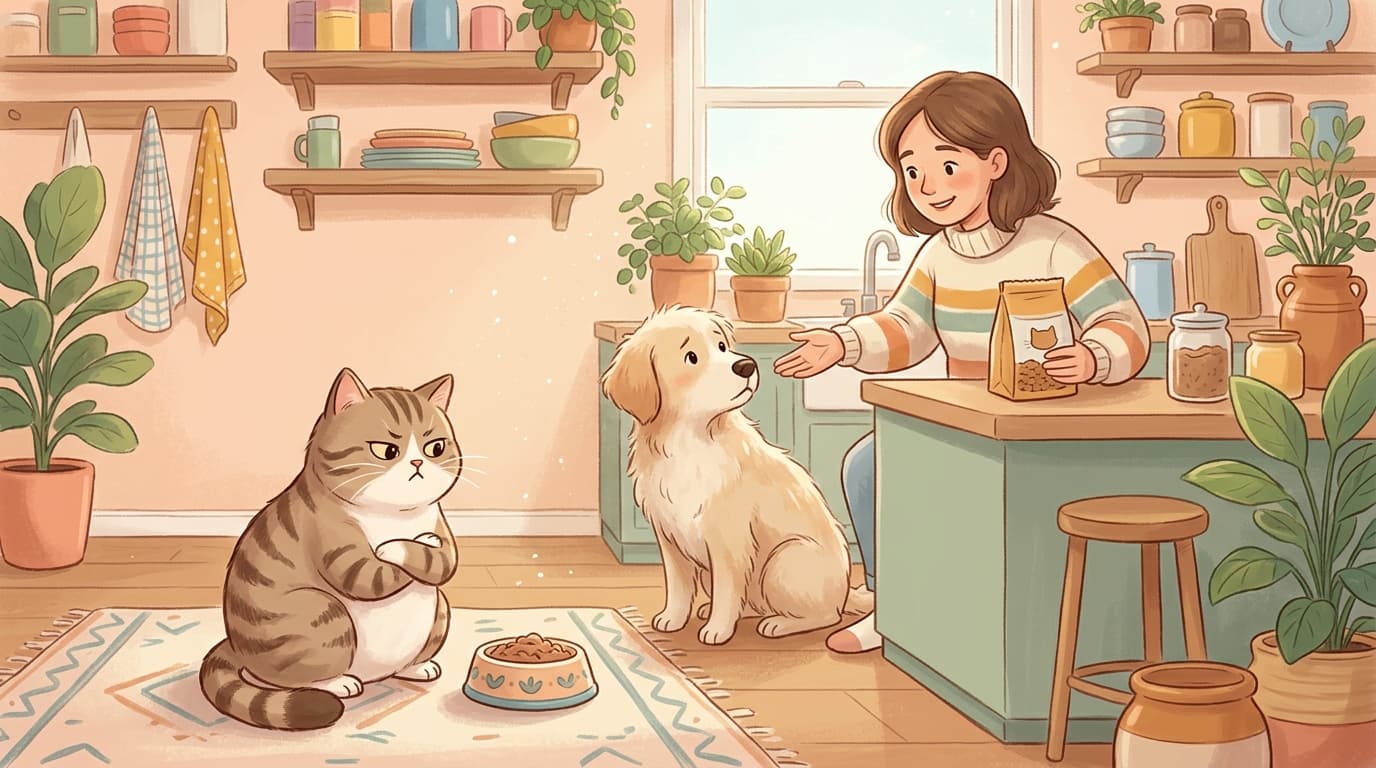
№ 36Your cat isn’t being picky—wet food can feel unsafe. Learn the real reasons and a simple, stress-free plan to switch successfully.