
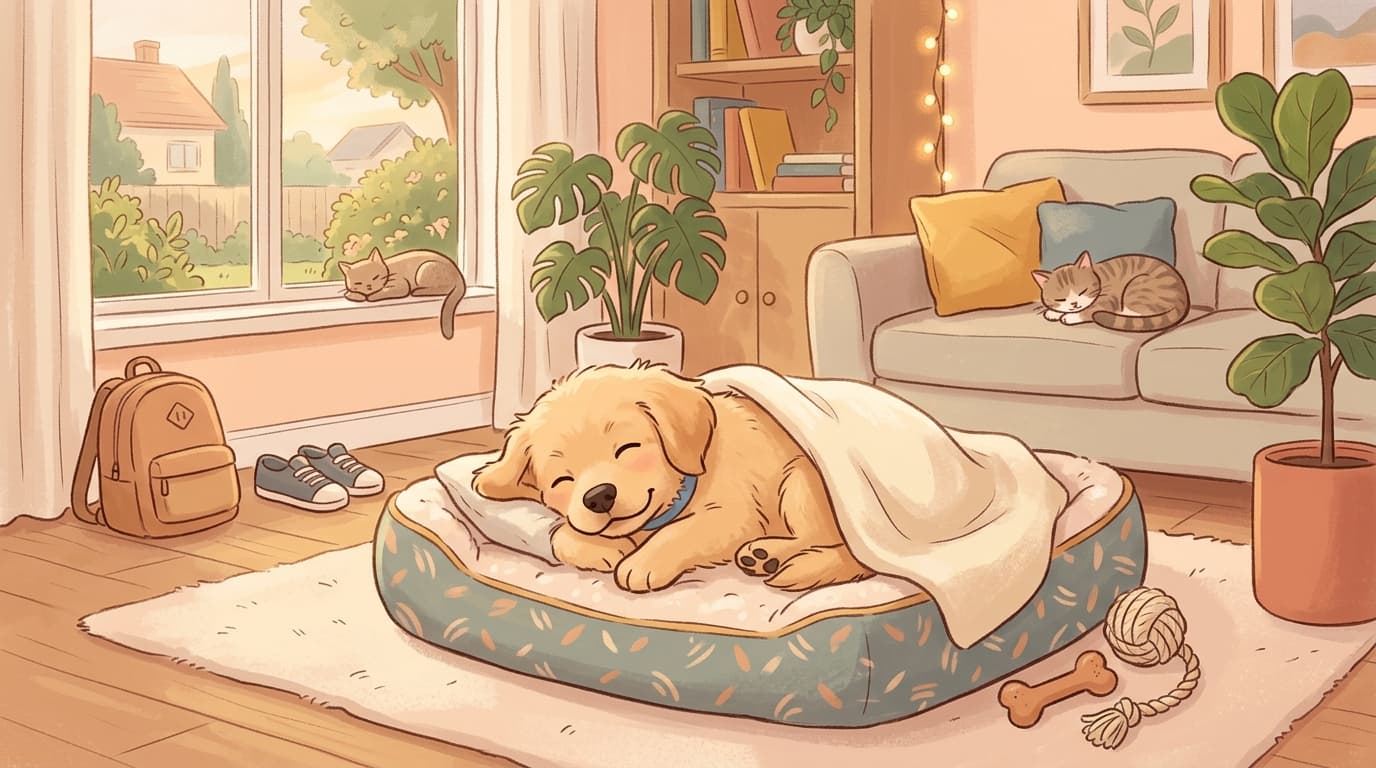
 № 25
№ 25How to Leave Your Dog Home Alone Without Triggering Separation Anxiety
A calm, practical routine to reduce separation anxiety: neutralize cues, use scent and sound, add enrichment, and master the quiet exit.
5 min read
§ Index
№ 25A calm, practical routine to reduce separation anxiety: neutralize cues, use scent and sound, add enrichment, and master the quiet exit.
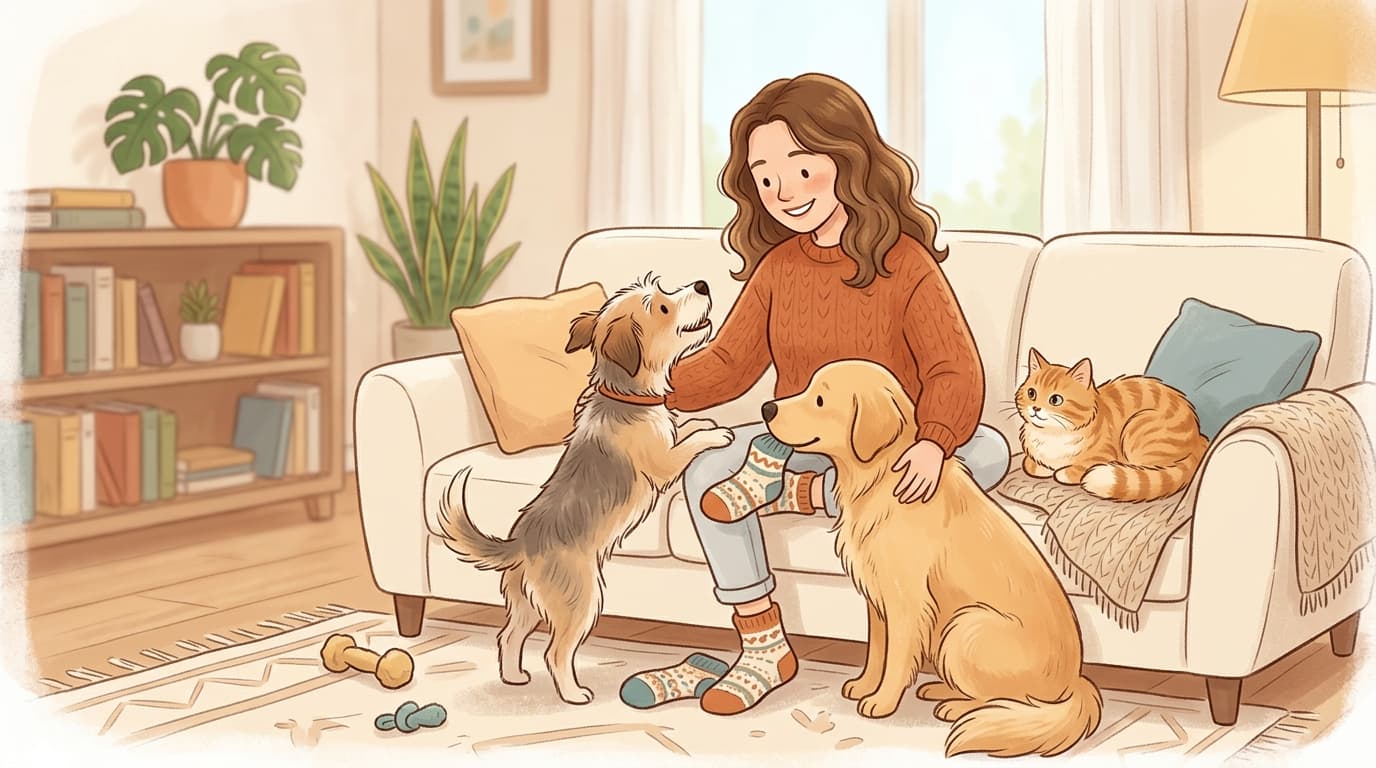 № 26
№ 26From bathroom shadowing to the infamous crotch sniff, these 10 dog behaviors are surprisingly sweet signs of love and trust.
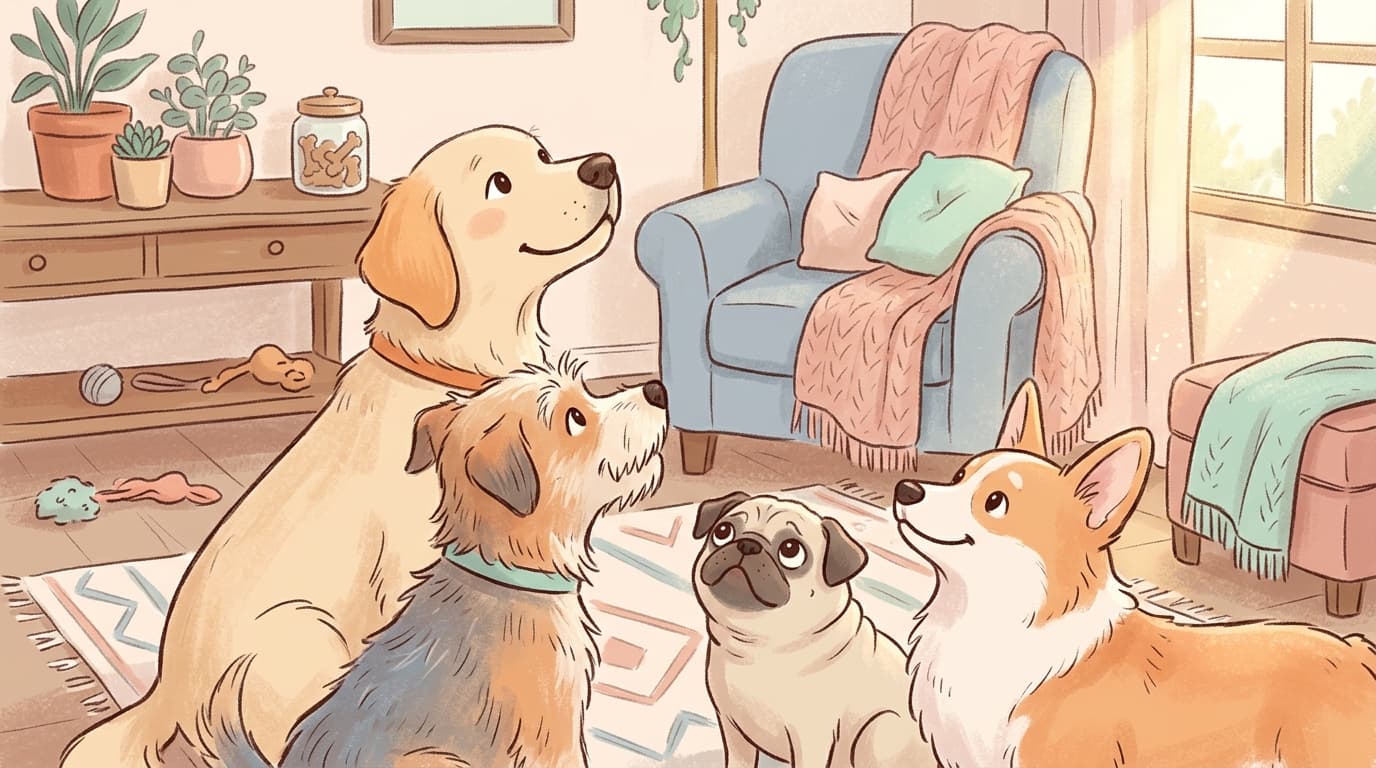 № 27
№ 27That intense dog stare isn’t random. Here are 8 real reasons your dog watches you—and what they’re learning about you each time.
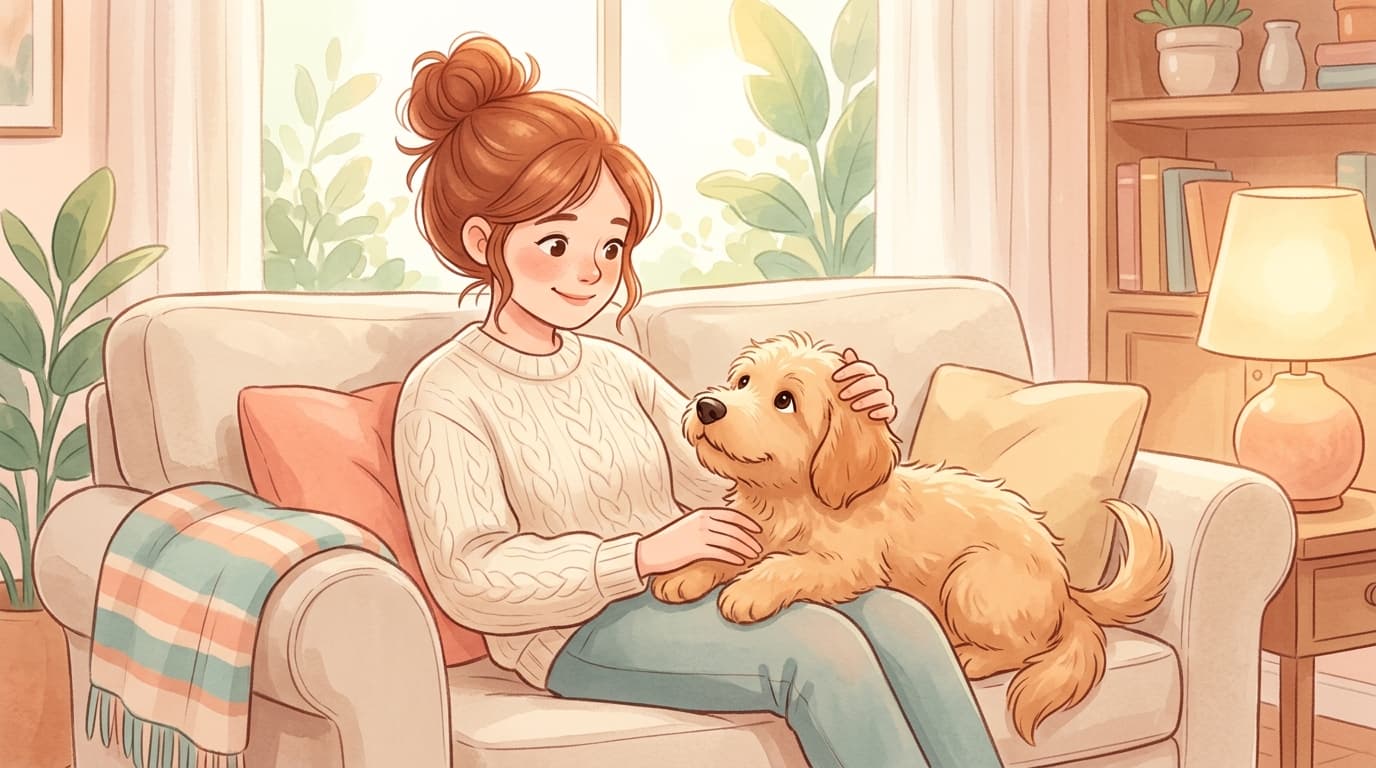 № 28
№ 28Dogs pick a favorite person for predictability, safety, and bonding chemistry—not just snacks. Here’s what research suggests is happening.
 № 29
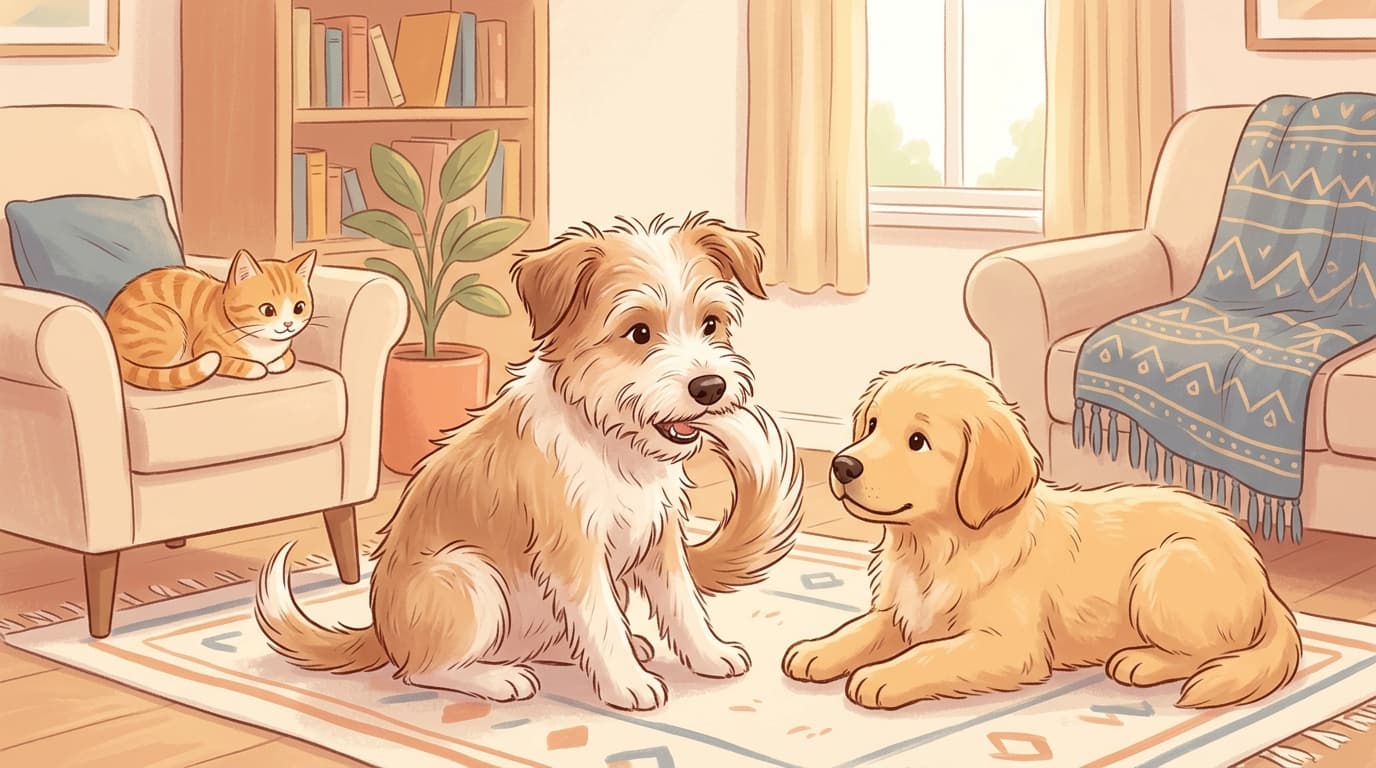
№ 29If your dog keeps biting or scratching the base of the tail, fleas, allergies, infections, anal glands, or stress could be behind it.
 № 30
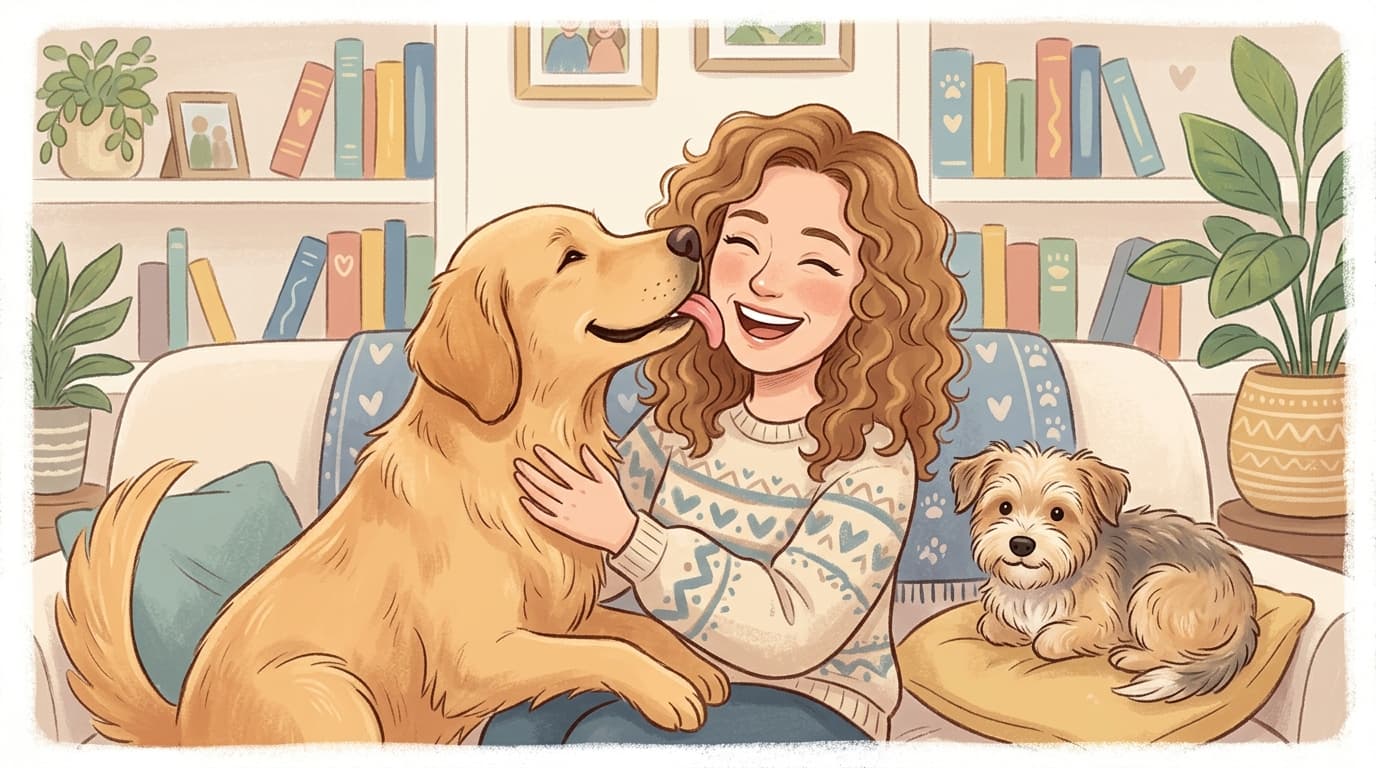
№ 30Your dog’s licking isn’t just affection. Learn 8 real reasons dogs lick you—from bonding and scent “audits” to stress and alerts.
 № 31
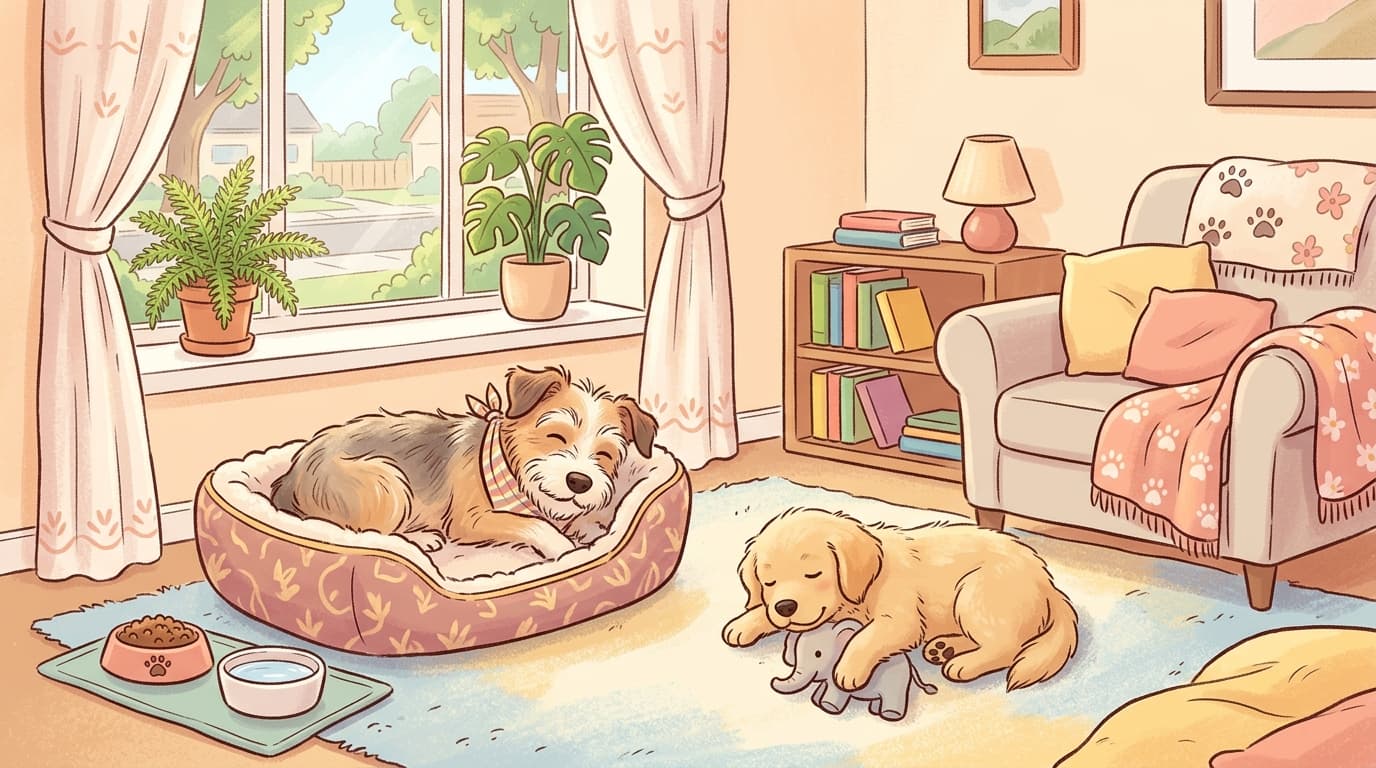
№ 31Feel guilty leaving your dog home alone? Try simple routines, enrichment toys, and pre-leave walks to keep your dog calm and content.
 № 32
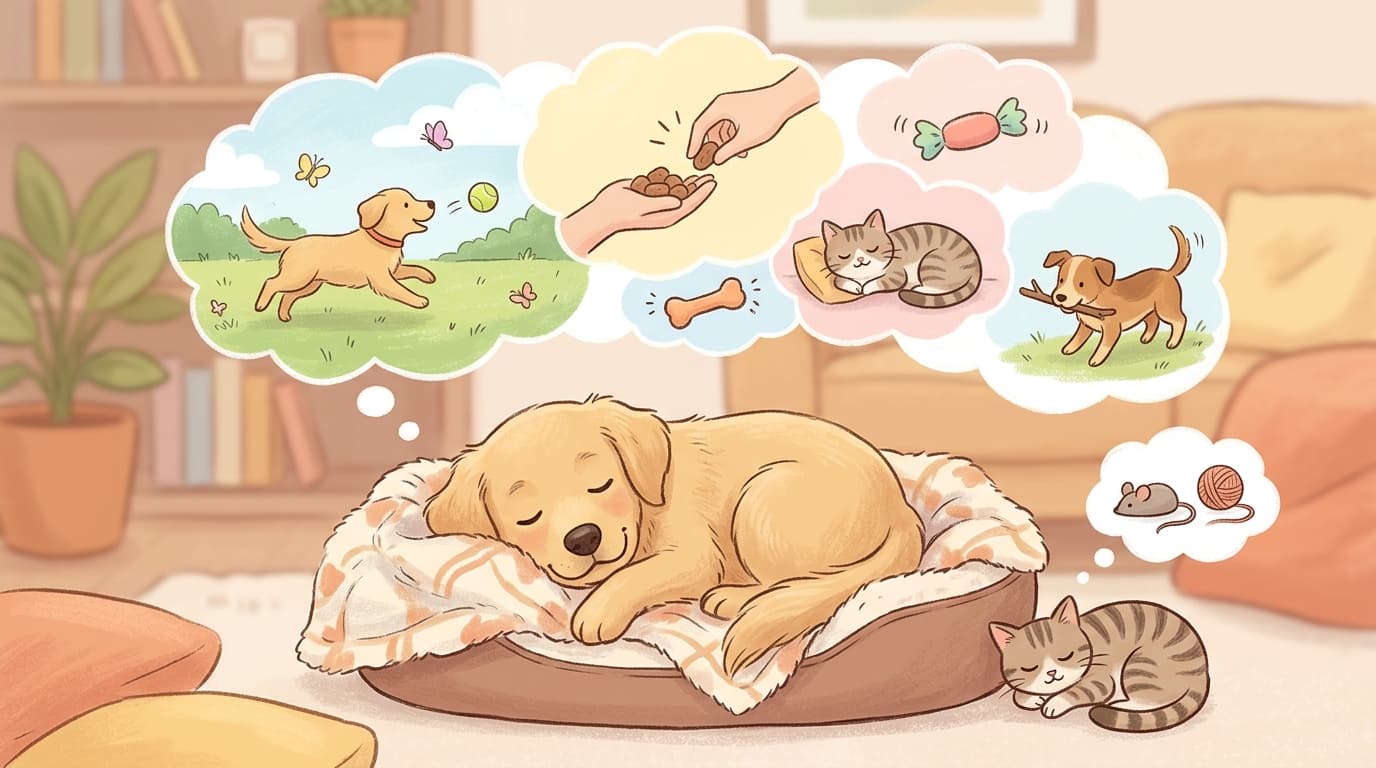
№ 32Dogs really do dream—often about their day. Learn the signs of REM sleep, what they might dream about, and why you shouldn’t wake them.
 № 33
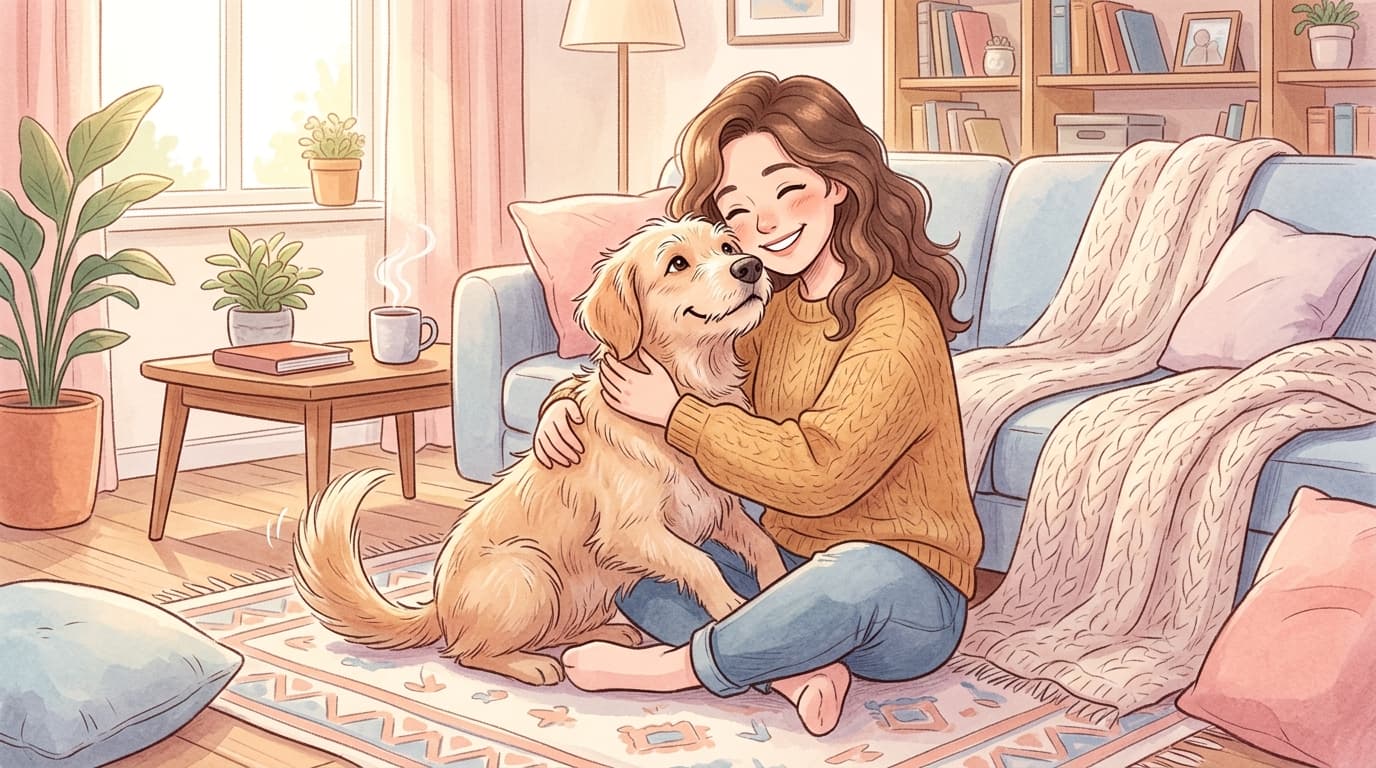
№ 33From scent-sleeping to syncing your pace, these rare behaviors can reveal your dog has chosen you as their forever person.
 № 34
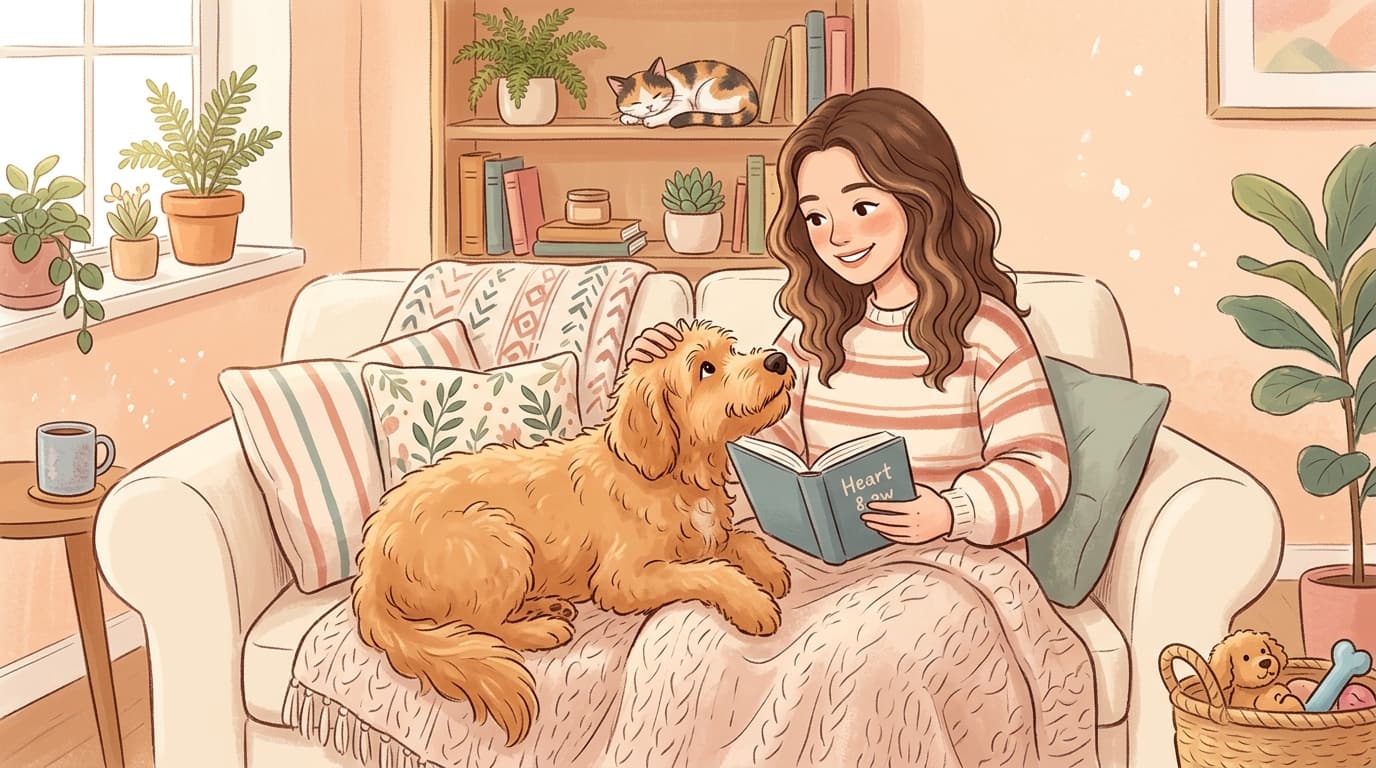
№ 34From “vigilant sleep” to stress-hormone syncing, these 5 behaviors can show your dog has chosen you above everyone else.
 № 35
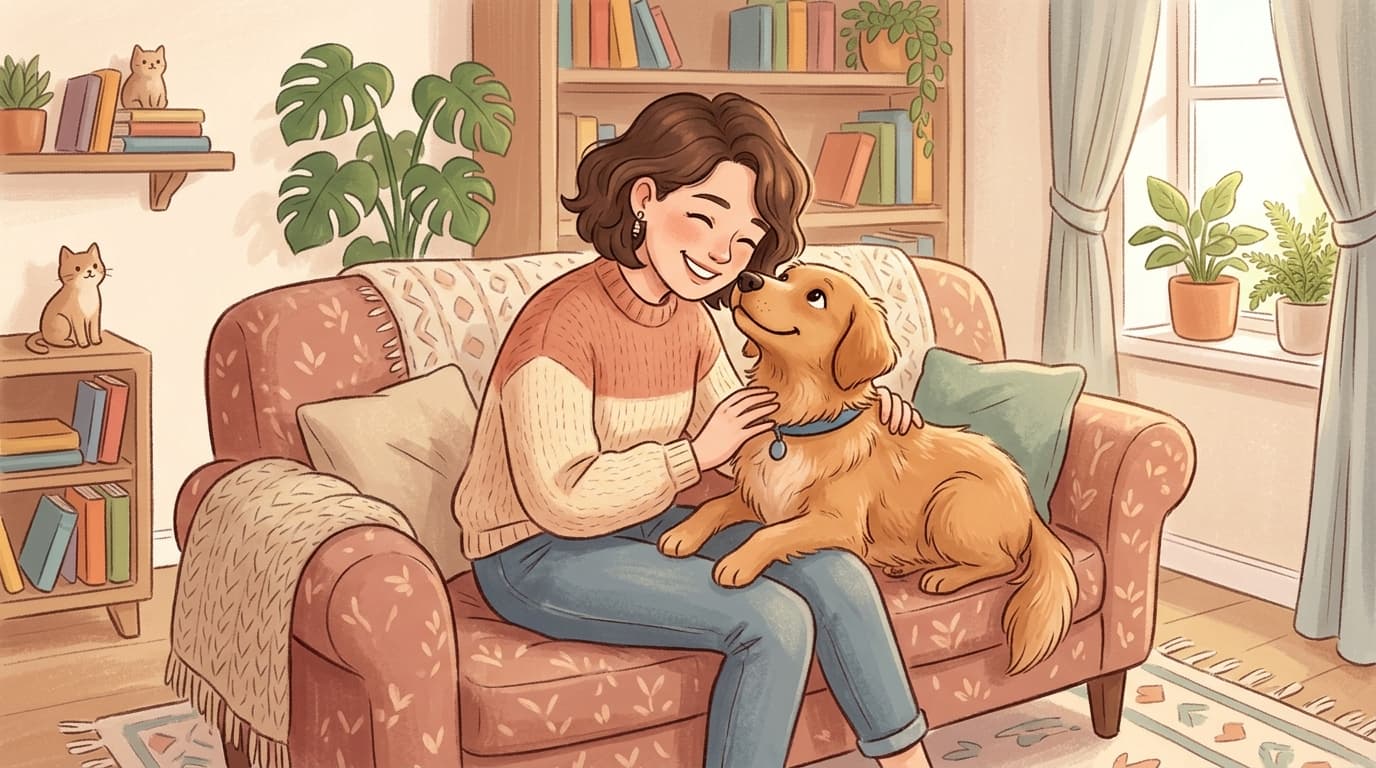
№ 35Your dog chose you for safety, consistency, and chemistry. Here’s what research says about favorite humans, oxytocin, and the secure base effect.
 № 36
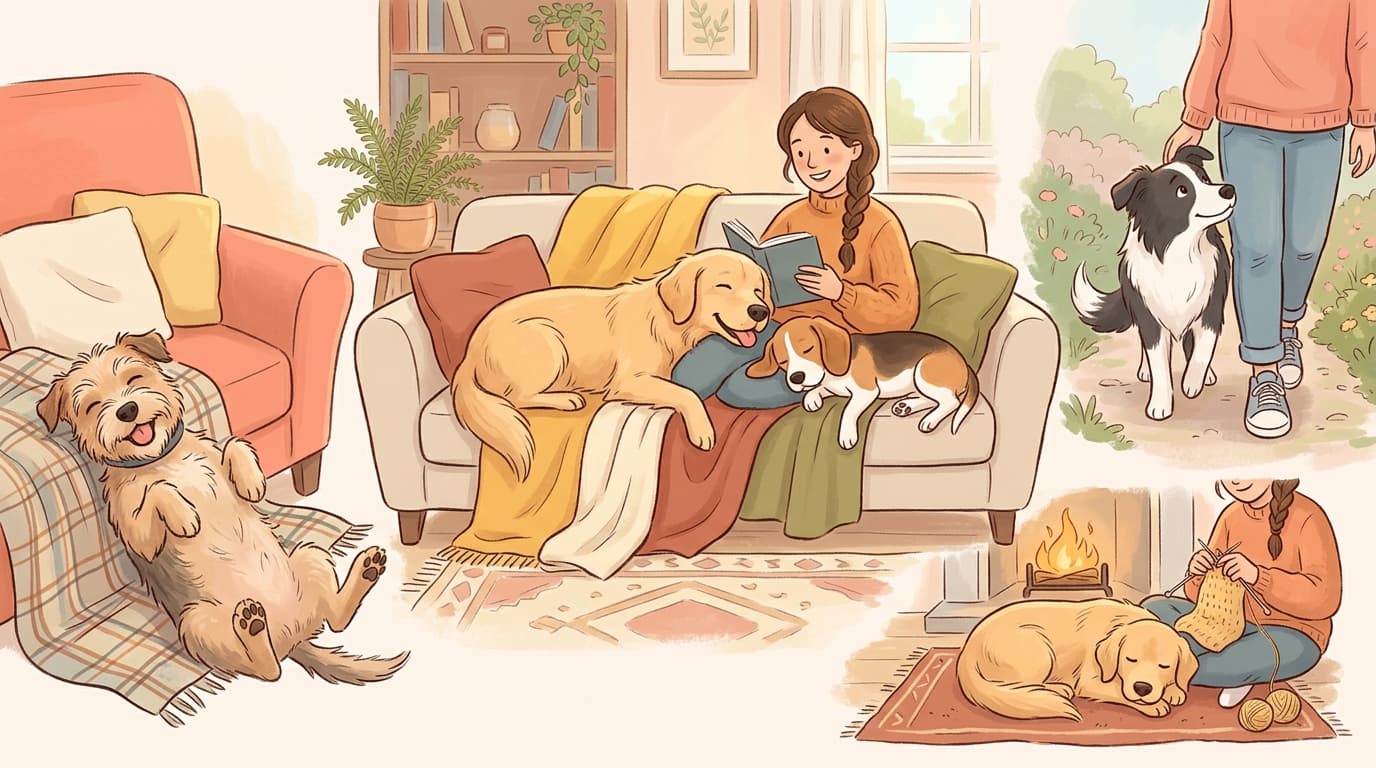
№ 36From leaning their back on you to dreaming deeply nearby, these four subtle behaviors reveal when your dog feels truly safe with you.