 № 37
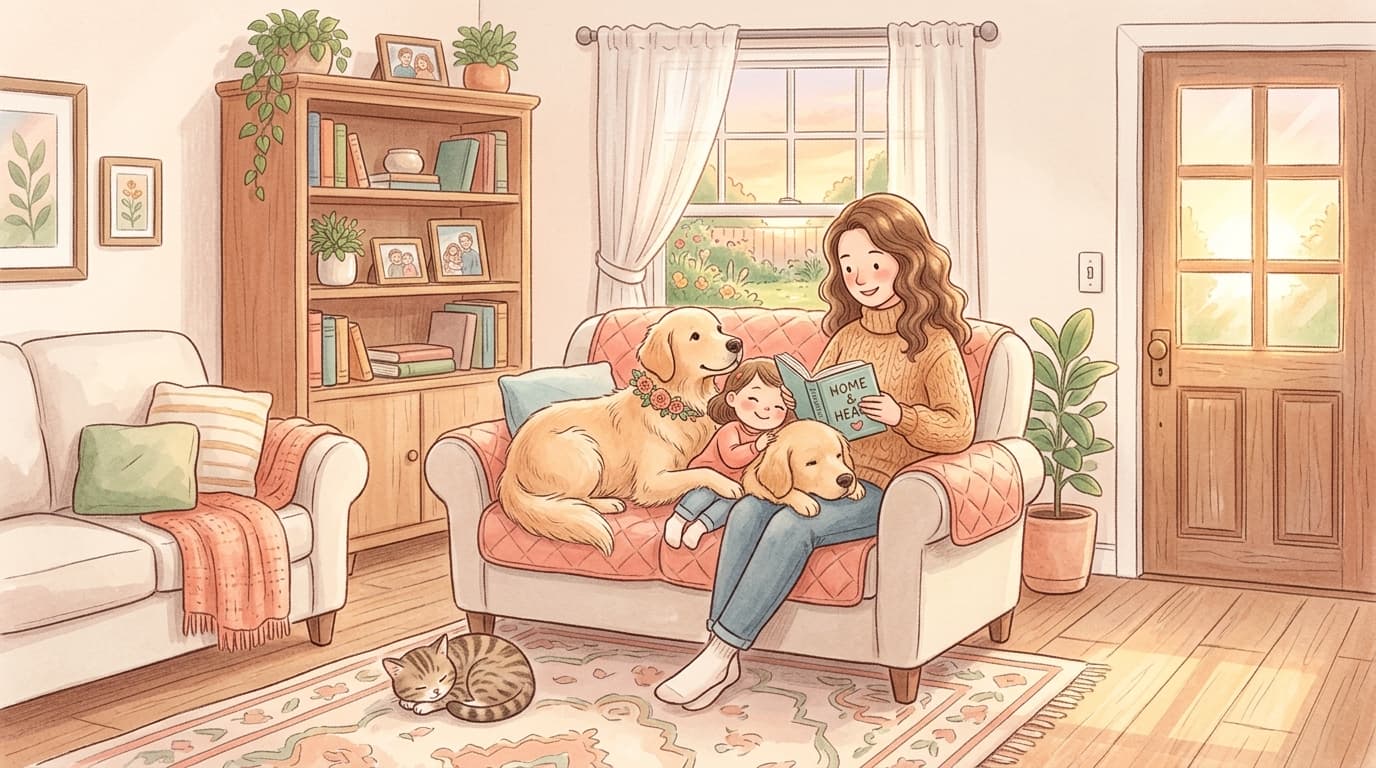
№ 37Female Dog Protective Behaviors: 11 Quiet Ways She Guards Your Home (and Your Heart)
From body-blocking at the door to sensing stress, these female dog protective behaviors show how she keeps your family safe and close.
5 min read
§ Index
№ 37From body-blocking at the door to sensing stress, these female dog protective behaviors show how she keeps your family safe and close.
 № 38
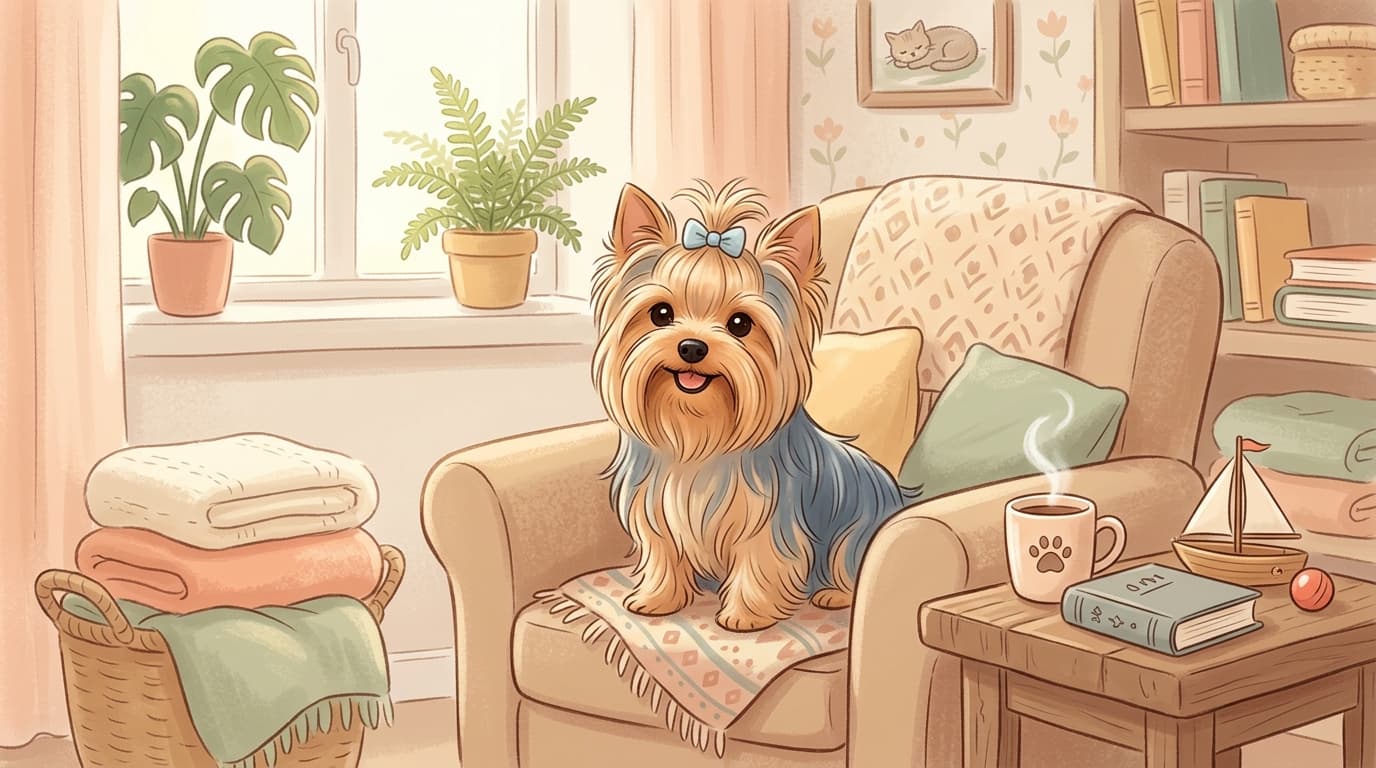
№ 38From rat-hunting roots to hair that grows like yours, these Yorkshire Terrier facts explain why Yorkies are tiny dogs with huge presence.
 № 39
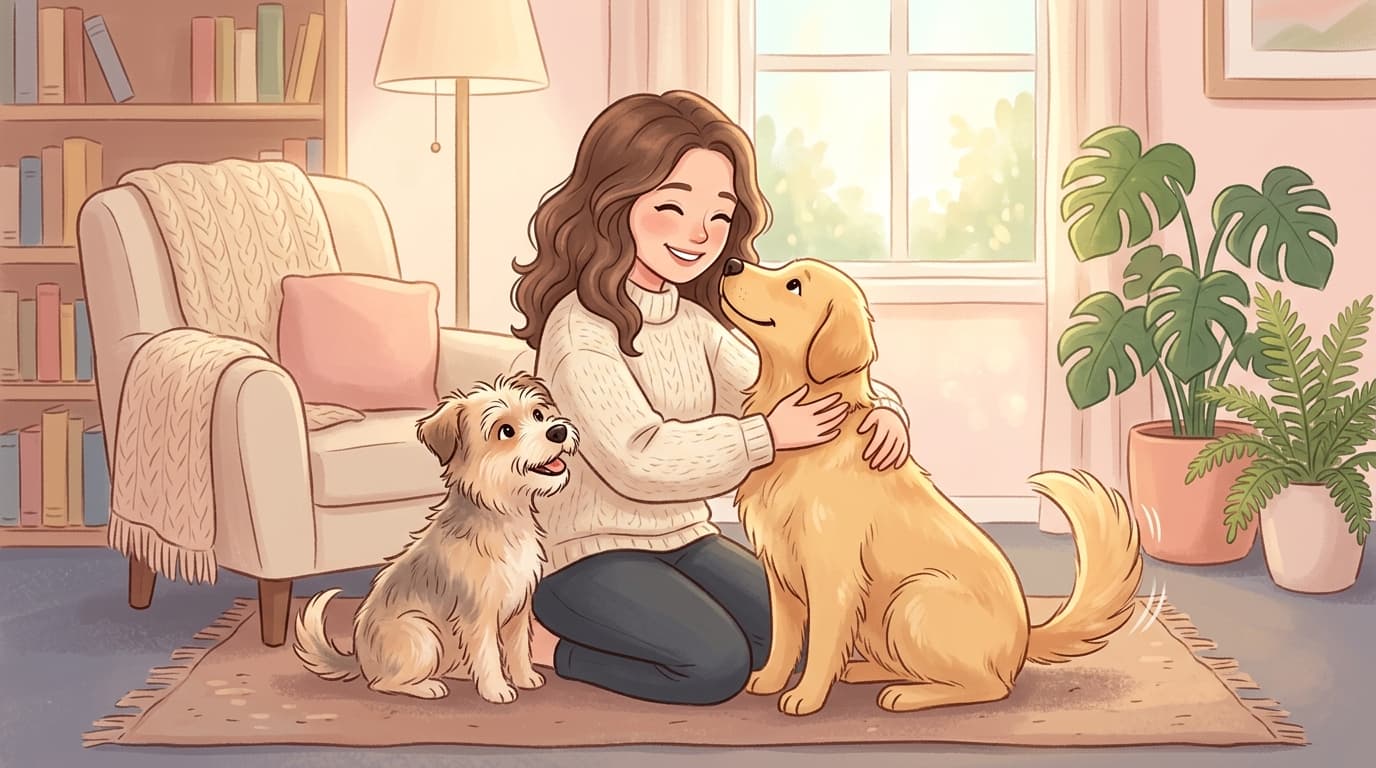
№ 39Dogs don’t think you’re a human-sized dog. They read your scent, emotions, and routines—and you become their safety switch and whole universe.
 № 40
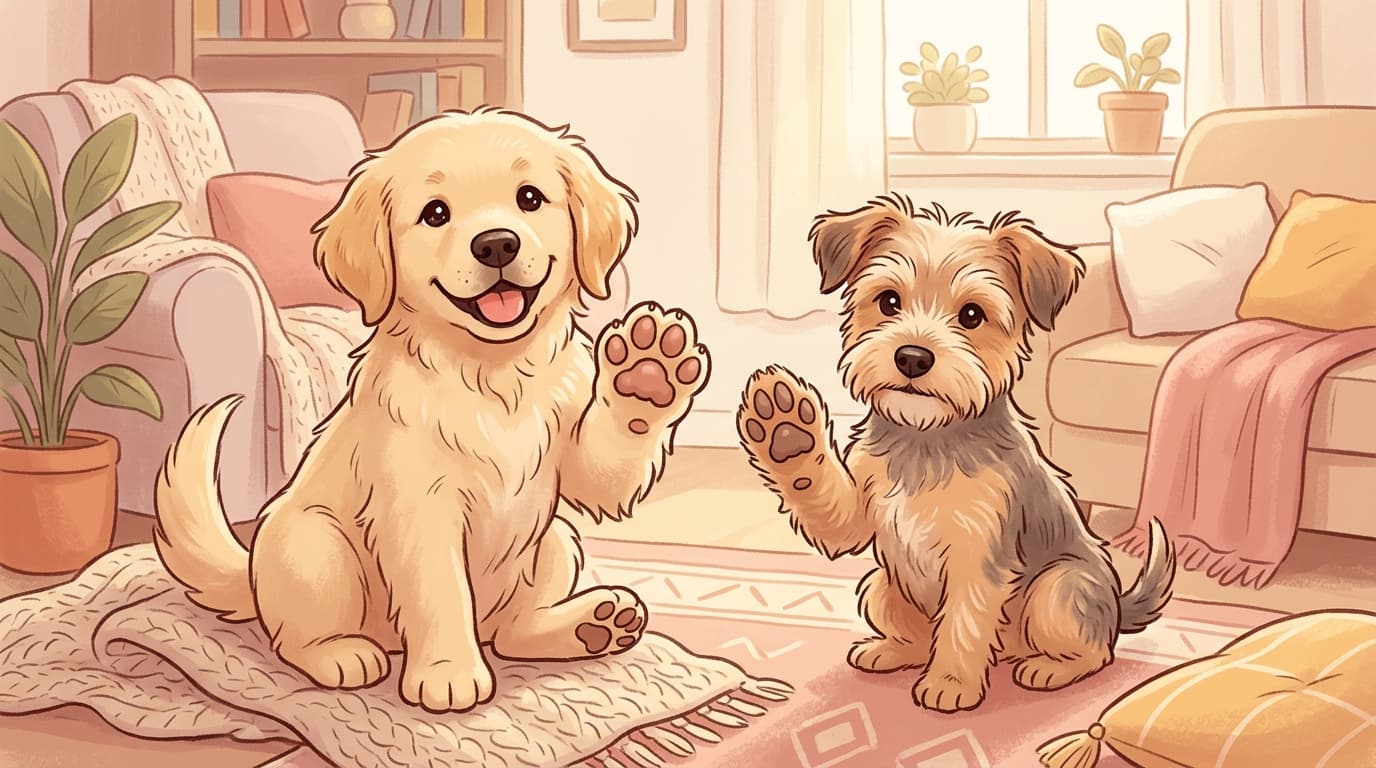
№ 40Rounded, narrow, or crescent-shaped paw pads may hint at your dog’s vibe—calm cuddler, busy explorer, or adaptable bestie.
 № 41
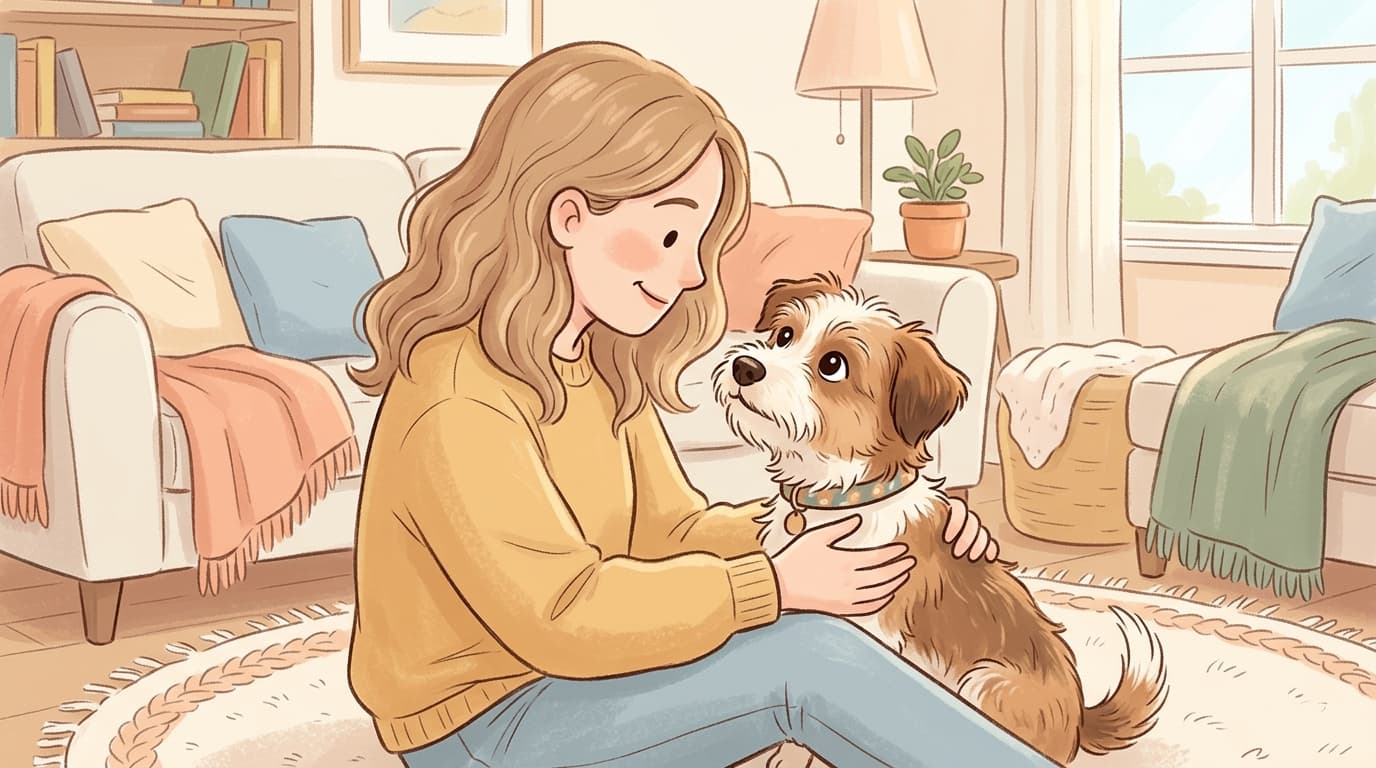
№ 41Locking eyes with your dog boosts bonding chemicals, shapes their stress levels, and even affects brain health. Here’s what their stare is telling you.
 № 42
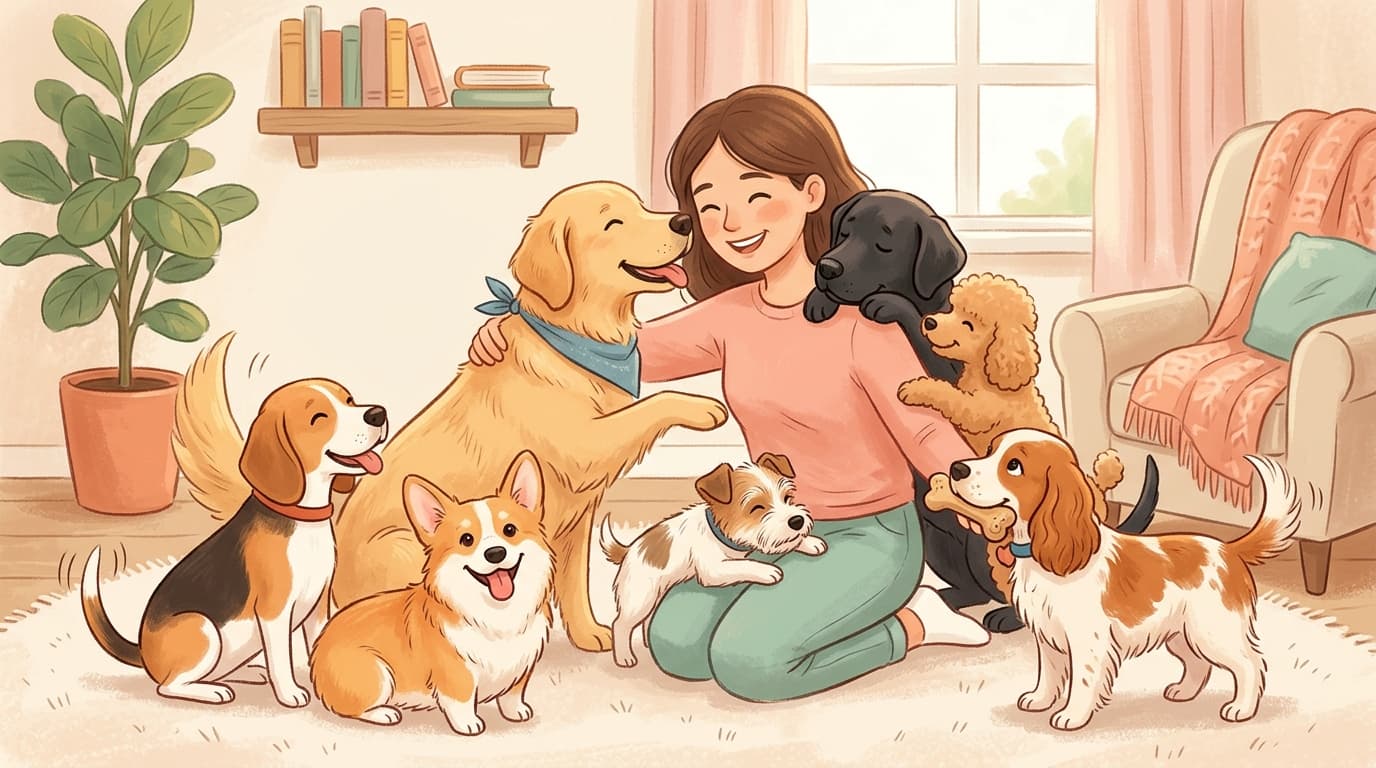
№ 42Your dog thanks you in quiet ways—gifts, soft eyes, leaning, and more. Here are 8 easy-to-miss signs of real appreciation.
 № 43
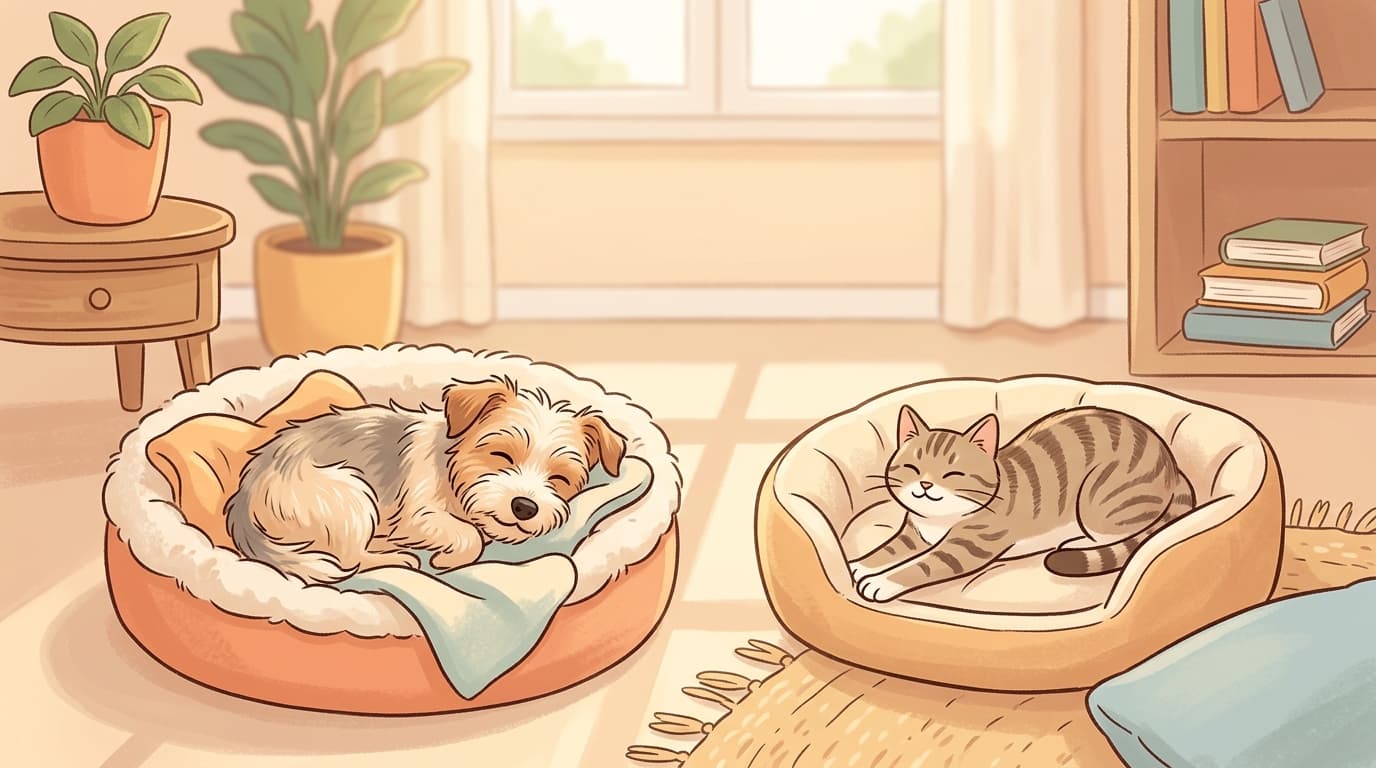
№ 43A too-small bed, the wrong spot, and over-washing can keep your dog tense. Fix these dog bed mistakes for deeper, calmer sleep.
 № 44
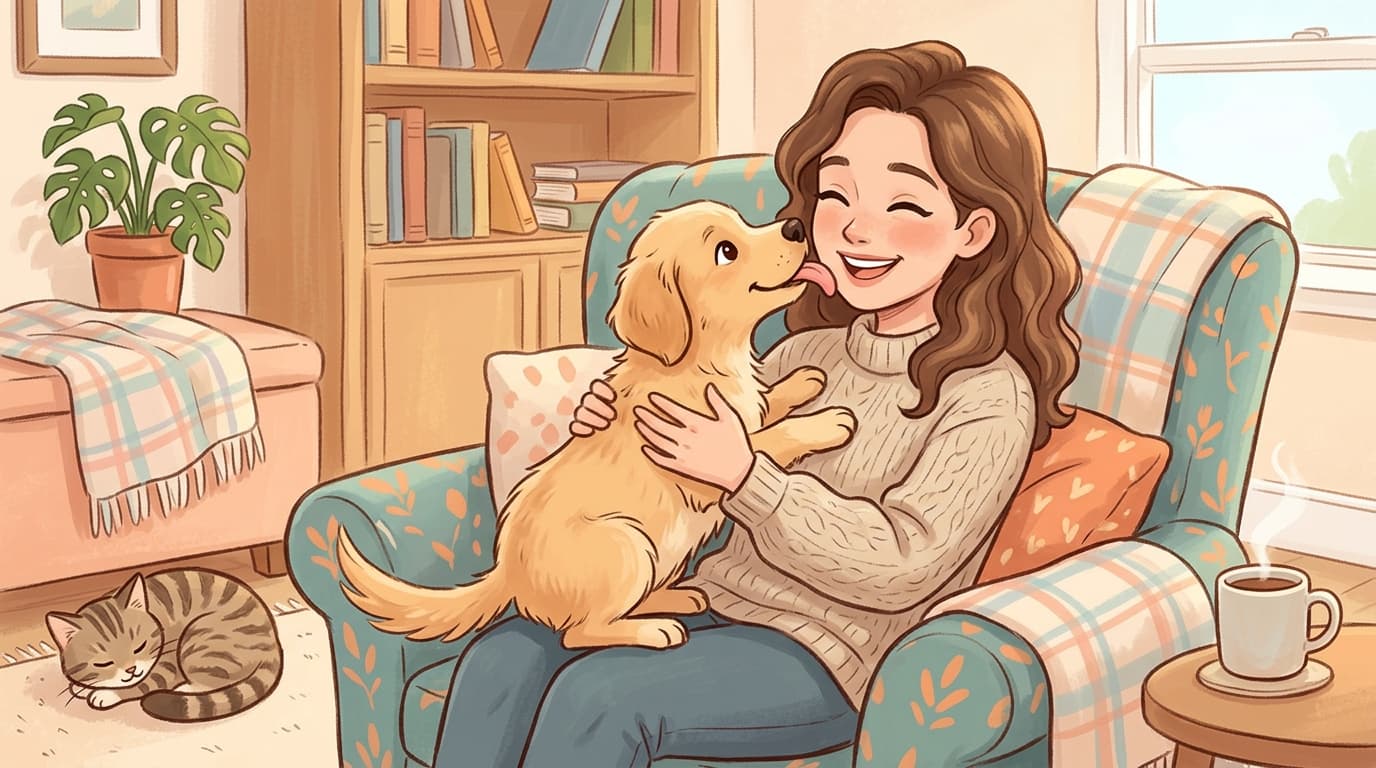
№ 44Your dog’s licking isn’t always “kisses.” Learn the 7 common lick messages—bonding, investigating, stress, and the one spot you shouldn’t ignore.
 № 45
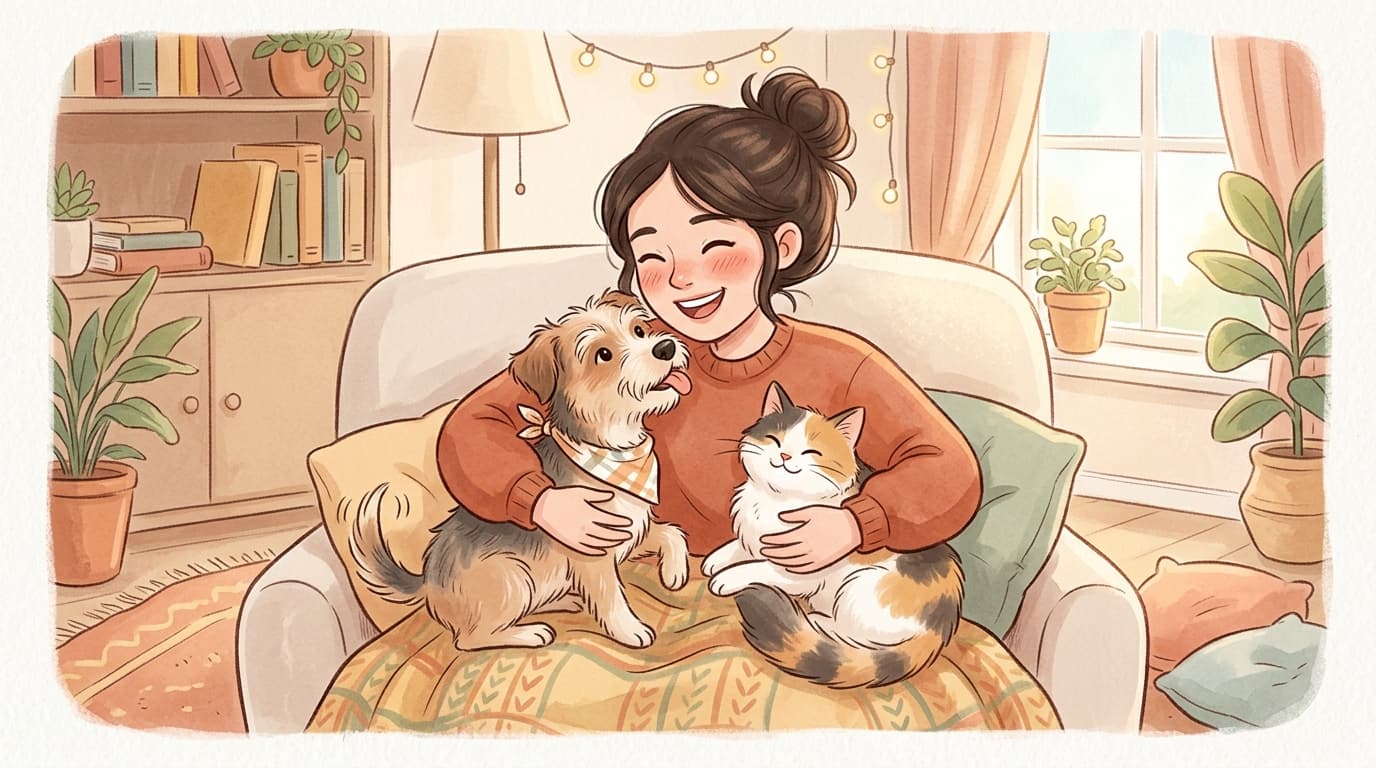
№ 45Attachment theory and oxytocin explain why your pet feels like family—plus how to love them deeply without humanizing them.
 № 46
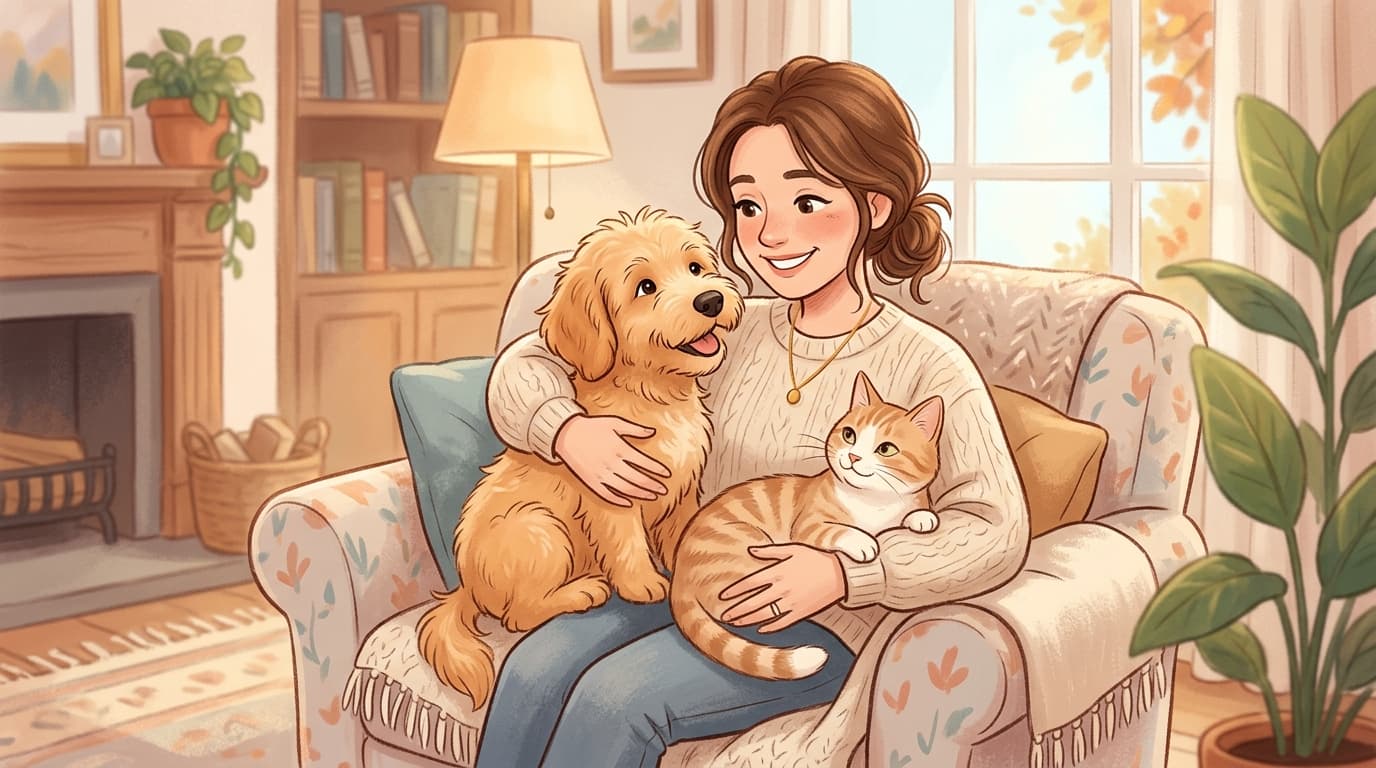
№ 46Attachment theory and oxytocin explain why pets feel like family—and how to love them deeply without humanizing them.
 № 47
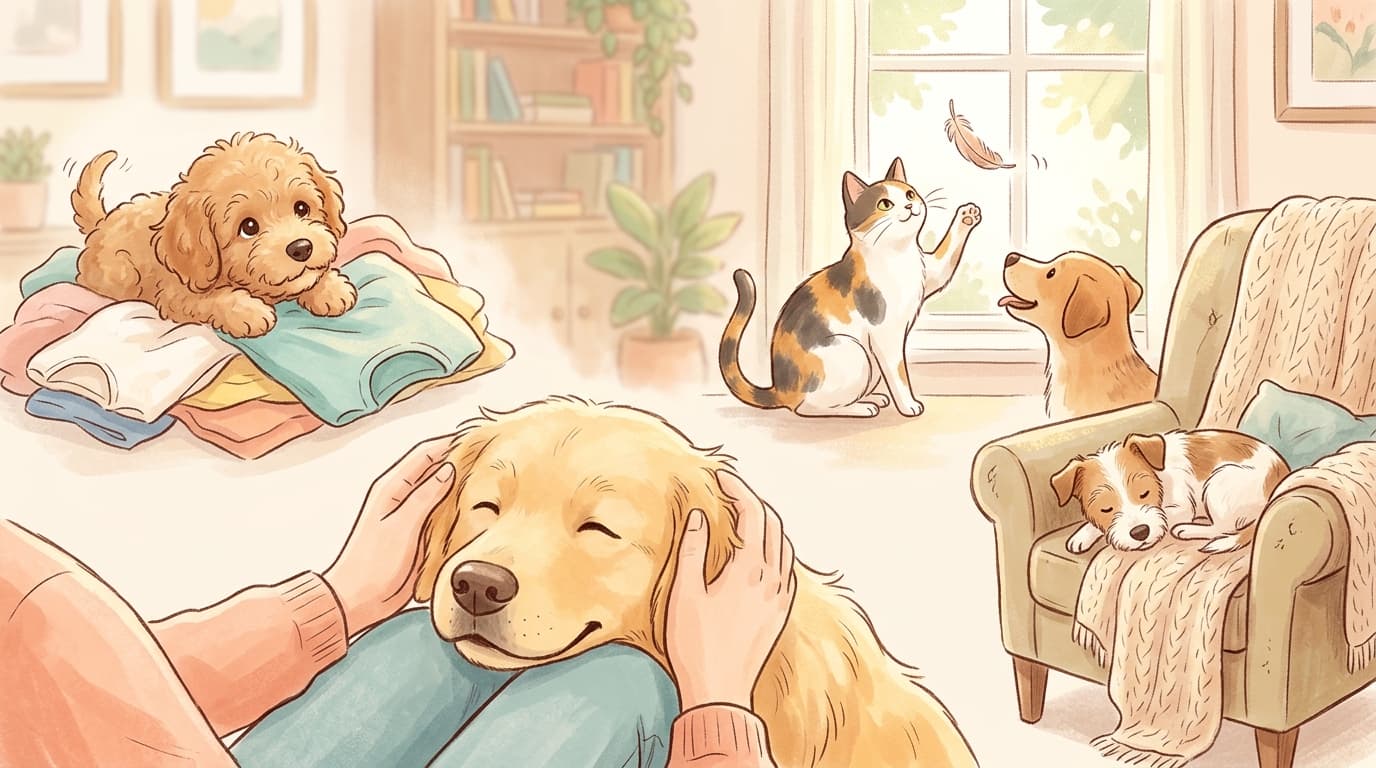
№ 47From “sniff walks” to quiet togetherness, these simple habits can make your dog feel calmer, safer, and more connected to you.
 № 48
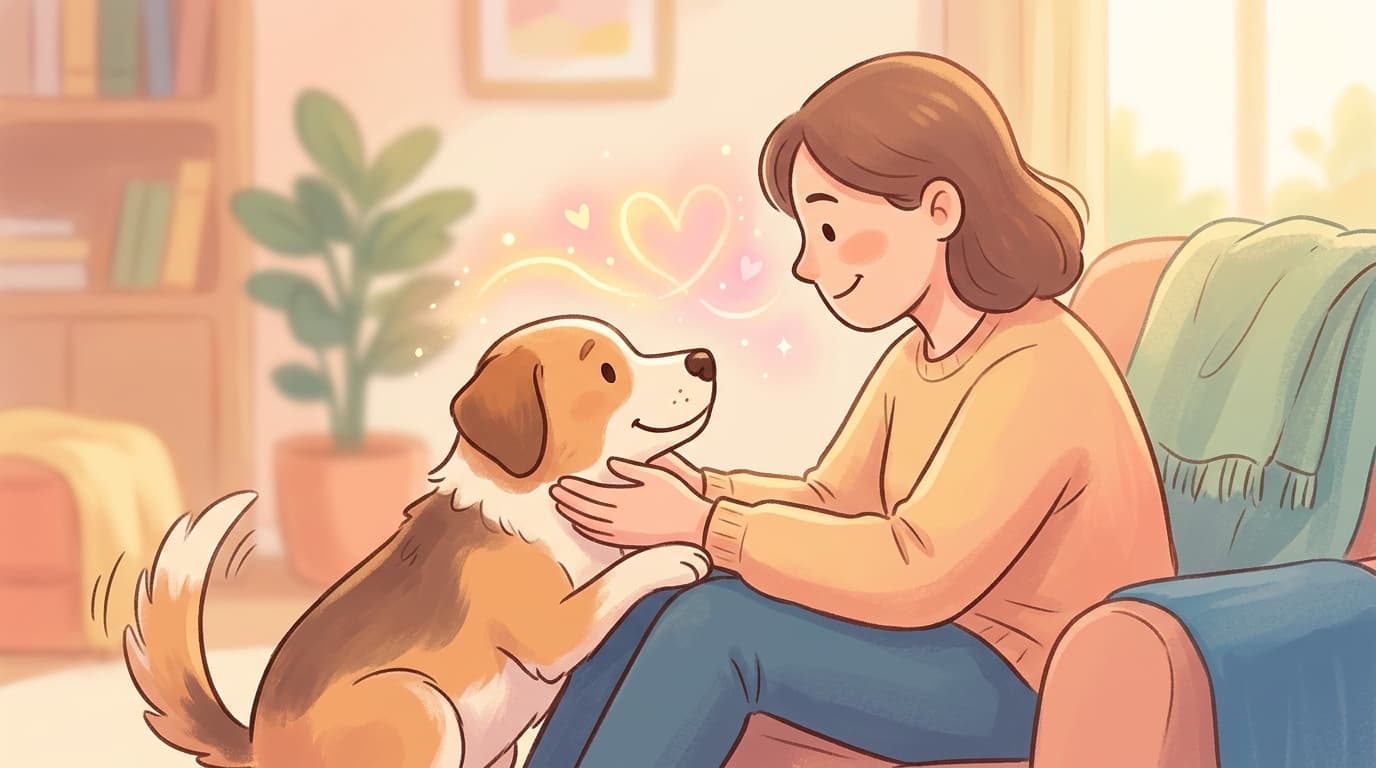
№ 48That intense dog eye contact can trigger an oxytocin “bond loop” in both of you—one reason your connection feels so strong.